Pentecostal Bible Study
Study Scripture the Pentecostal way - with the Holy Spirit as your guide, spiritual gifts as your tools, and passionate worship as your response. Access resources designed for Spirit-filled believers: studies on the baptism of the Holy Spirit, the gifts of the Spirit, divine healing, and the power of God available to every believer today.
Key Takeaways: Pentecostal Bible Study
The baptism of the Holy Spirit is a distinct experience from salvation, evidenced by speaking in tongues
All the spiritual gifts described in 1 Corinthians 12-14 are active and available for believers today
Divine healing is provided in the atonement of Christ and is available through prayer and faith
The book of Acts provides the normative pattern for Holy Spirit experience in the church today
Worship should be Spirit-led, expressive, and participatory rather than formal and ritualistic
Jesus Christ is Savior, Sanctifier, Spirit-Baptizer, Healer, and Soon-Coming King (the Foursquare Gospel)
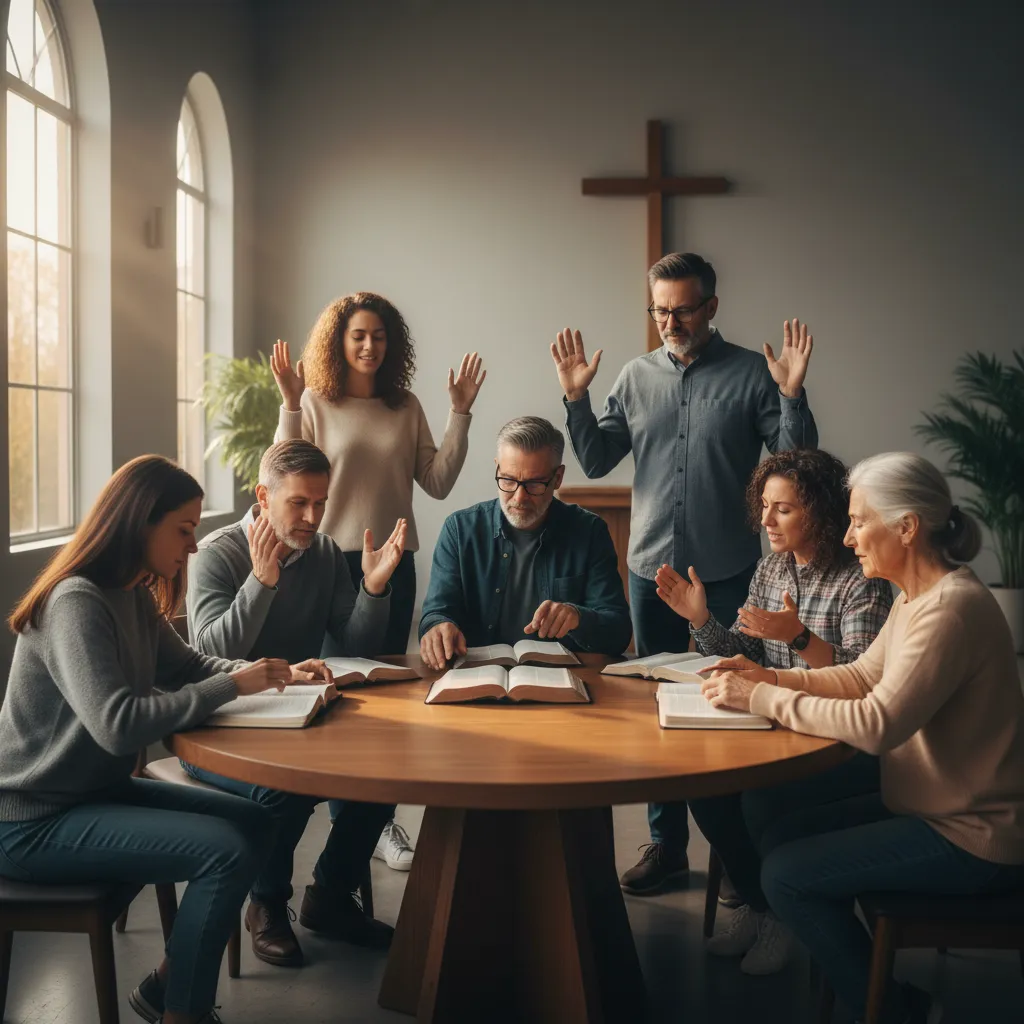
Step into a Pentecostal worship service and you'll feel it immediately - an electricity in the air, hands raised in praise, voices lifted in song and prayer, people praying in tongues, and an expectation that God is about to move powerfully. This isn't performance or tradition. This is authentic, Spirit-filled worship that flows from a deep conviction: the same Holy Spirit who fell at Pentecost is still moving today.
Pentecostal Bible study emerges from this vibrant spiritual experience. It's not merely academic analysis of ancient texts - it's an encounter with the living God through His Word. When Pentecostals read Acts 2, they don't see a one-time historical event. They see a pattern, a promise, an invitation to experience the same power that transformed a handful of frightened disciples into world-changing missionaries.
With over 600 million adherents worldwide, Pentecostalism is the fastest-growing Christian movement in history. From the daily devotions of believers in Brazil to the prayer meetings in Nigeria to the worship services in South Korea, Pentecostals share a common commitment to the authority of Scripture, the present power of the Holy Spirit, and the expectation of God's supernatural intervention in daily life.
What is Pentecostalism? Fire From Heaven
The date was January 1, 1901. In a small Bible school in Topeka, Kansas, a woman named Agnes Ozman began speaking in what sounded like a foreign language she had never learned. Charles Parham, the school's founder, had been teaching that speaking in tongues was the "Bible evidence" of baptism in the Holy Spirit - and now, it seemed, one of his students was experiencing exactly that.
Five years later, the Azusa Street Revival erupted in Los Angeles under the leadership of William Seymour, an African American preacher who had studied under Parham. For three years (1906-1909), meetings continued daily, drawing visitors from around the world who reported healings, tongues, prophecies, and a remarkable crossing of racial and social barriers that was revolutionary for the Jim Crow era.
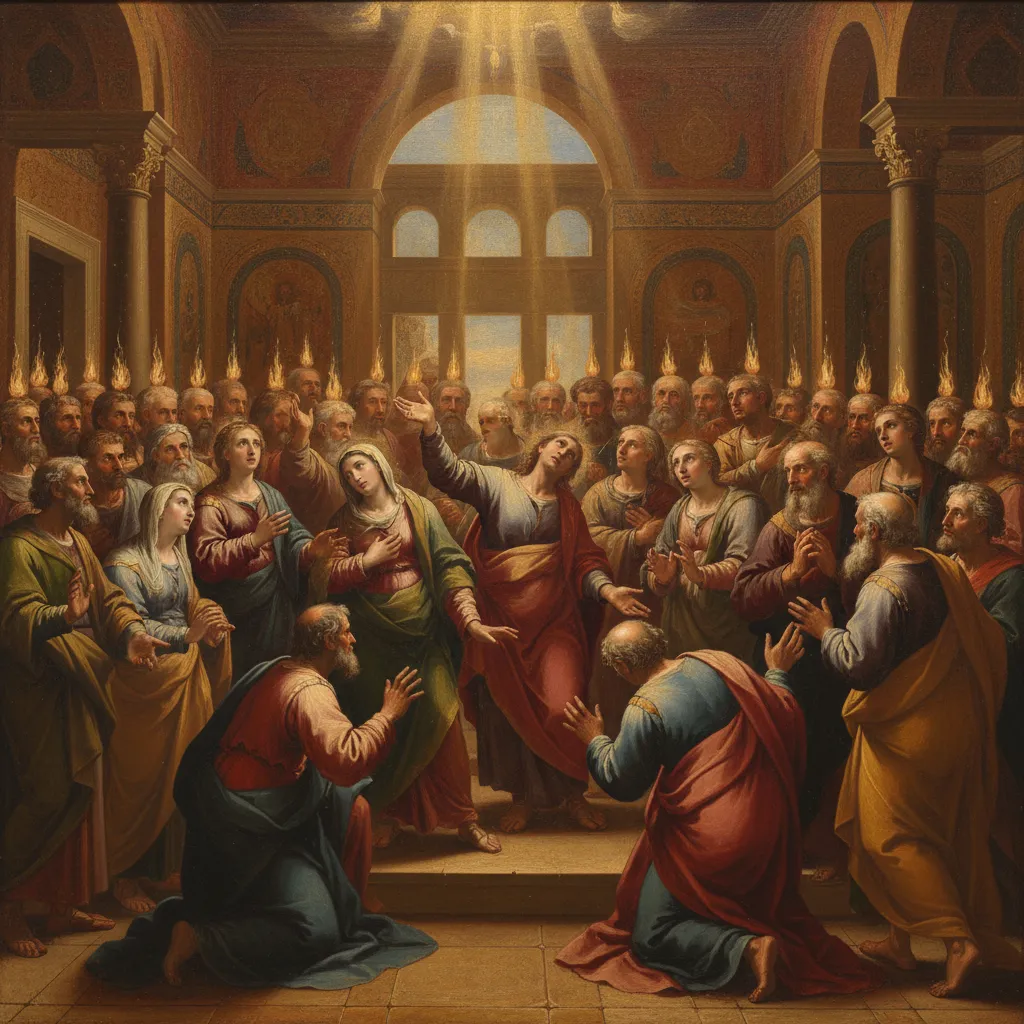
But Pentecostals trace their roots much further back - to the book of Acts itself. When the Holy Spirit fell on the disciples at Pentecost (Acts 2), they spoke in tongues, prophesied, and received power to be Christ's witnesses. Pentecostals believe this experience wasn't meant only for the apostles but for all believers throughout history - and that the modern Pentecostal movement is a restoration of New Testament Christianity.
From those early 20th-century beginnings, Pentecostalism has exploded into one of the largest and most dynamic movements in Christianity. The Assemblies of God alone has 70 million members in 190 countries. The Church of God (Cleveland, TN), International Church of the Foursquare Gospel, Pentecostal Assemblies of the World, Church of God in Christ, and numerous independent congregations make Pentecostalism a truly global phenomenon.
Today, the broader "Charismatic" movement extends Pentecostal emphases into mainline Protestant, Catholic, and even Orthodox churches. While distinctions exist between "Classical Pentecostals," "Charismatics," and "Third Wave" movements, they share core convictions about the ongoing work of the Holy Spirit, spiritual gifts, and supernatural power for Christian life and ministry.
Pentecostal Distinctives: What Makes Pentecostal Bible Study Unique?
Pentecostal Bible study is shaped by several core convictions that distinguish it from other Christian traditions. These aren't merely doctrinal positions - they're lived experiences that transform how Pentecostals read, interpret, and apply Scripture.
1. The Baptism of the Holy Spirit
Perhaps the most distinctive Pentecostal belief is that the "baptism in the Holy Spirit" is a separate experience from conversion, subsequent to salvation, and evidenced by speaking in tongues. This understanding comes from passages like Acts 2:4, Acts 8:14-17, Acts 10:44-46, and Acts 19:1-7, where believers receive the Spirit in a distinct, observable experience after believing.
Pentecostal Bible study spends significant time in the book of Acts, examining the pattern of Spirit-baptism and its evidence. Jesus' promise in Acts 1:8 - "You will receive power when the Holy Spirit comes on you, and you will be my witnesses" - is understood as available to every believer who asks and receives in faith.
2. The Continuation of Spiritual Gifts
While some traditions teach that miraculous spiritual gifts ceased after the apostolic age (cessationism), Pentecostals embrace continuationism - the belief that all the gifts listed in 1 Corinthians 12-14 are still active today. This includes tongues, interpretation, prophecy, healing, miracles, words of knowledge, and words of wisdom.
Pentecostal Bible study on 1 Corinthians digs deeply into the nature, purpose, and proper exercise of spiritual gifts. The goal isn't to create chaos or elevate certain gifts above others, but to equip the church for ministry and to "eagerly desire" the gifts that build up the body of Christ.
3. Divine Healing in the Atonement
Pentecostals believe that physical healing is provided in Christ's atonement, based on passages like Isaiah 53:5 ("by his wounds we are healed"), Matthew 8:16-17, and James 5:14-16. This doesn't mean healing is always instantaneous or that faith guarantees healing, but it means healing is a legitimate expectation when we pray.
Bible study on healing examines Jesus' healing ministry, the apostles' healings in Acts, and James' instructions for the sick. It also grapples honestly with questions about when healing doesn't come, sovereignty, and suffering - recognizing that our understanding is incomplete but our faith in God's goodness is not.
4. Experiential Faith
Pentecostals emphasize that Christianity is meant to be experienced, not just believed. Faith should be felt as well as thought, expressed as well as confessed. Worship involves the whole person - mind, emotions, body, and spirit. Hands are raised, voices are lifted, tears may flow, and joy may burst forth in spontaneous praise.
This shapes Bible study by emphasizing application and response. The question isn't just "What does this passage mean?" but "How is God speaking to me through this passage today?" and "How should I respond in faith and obedience?" Pentecostal Bible study often includes time for prayer, worship, and ministry alongside teaching.
5. Urgency of Evangelism and the Second Coming
Pentecostals maintain a strong premillennial expectation of Christ's imminent return and an urgent commitment to world evangelization. The Holy Spirit's empowerment is specifically for witness (Acts 1:8), and the time is short. This creates Bible study that emphasizes mission, discipleship, and preparing for Christ's return through studies in Revelation and biblical prophecy.
How Pentecostal Bible Study Works in Practice
Pentecostal Bible study combines solid biblical teaching with Spirit-led worship and ministry. Unlike some traditions that emphasize purely intellectual engagement, Pentecostal study expects the Holy Spirit to illuminate Scripture, convict hearts, and empower application in real-time.
Sunday School and Small Groups
Like many Protestant traditions, Pentecostal churches typically offer Sunday School classes for all ages before or after the main worship service. These use curriculum from publishers like Gospel Publishing House (Assemblies of God), Pentecostal Publishing House (UPC), or independent charismatic publishers. Classes combine teaching with discussion, prayer, and often Spirit-led ministry.
Small groups meeting in homes are also essential to Pentecostal discipleship. These "cell groups" or "life groups" study Scripture together, pray for one another, and provide accountability. The intimate setting allows for more personal ministry, including prayer for healing, deliverance, and Spirit baptism.
Verse-by-Verse and Topical Studies
Pentecostal Bible study includes both verse-by-verse exposition and topical studies. Book studies through Acts, the Gospels, and Paul's letters are common, as is topical study on the Holy Spirit, spiritual gifts, healing, prayer, and Spirit-filled living.
Many Pentecostal Bible studies emphasize narrative passages that show the Holy Spirit in action - healings, miracles, conversions, and Spirit outpourings. These aren't just ancient history but models for what God wants to do today. Application questions often ask: "What is God saying to me through this story?" and "How can I step out in faith like these believers did?"
Prayer and Ministry Time
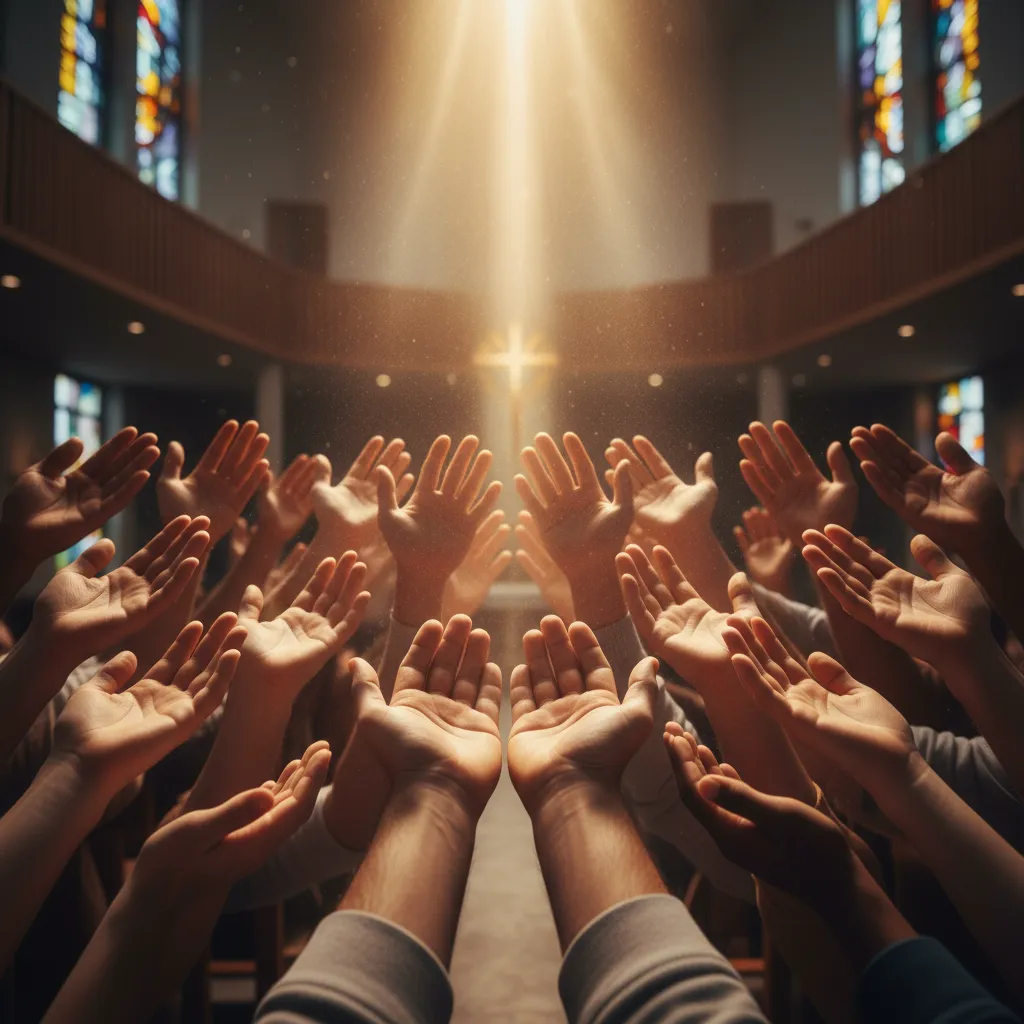
Pentecostal Bible study rarely ends with just discussion. Most sessions include extended prayer time where participants can seek the Lord, pray in tongues, receive prayer for needs, and minister to one another through spiritual gifts. This might include prophecy, words of knowledge, healing prayer, or prayer for Spirit baptism.
This ministry time reflects the Pentecostal conviction that Bible study should lead to encounter. Reading about the Holy Spirit should create hunger to experience the Holy Spirit. Studying healing should lead to praying for the sick. Learning about spiritual gifts should result in exercising them.
Women in Pentecostal Bible Study
Historically, Pentecostalism has been more open to women in ministry than many other evangelical traditions. From Azusa Street's interracial, mixed-gender worship to Aimee Semple McPherson founding the Foursquare Church to contemporary women pastors and evangelists, Pentecostalism has often emphasized that "your sons and daughters will prophesy" (Acts 2:17). Women's Bible studies are vibrant spaces for teaching, prayer, and Spirit-led ministry.
"But you will receive power when the Holy Spirit comes on you; and you will be my witnesses in Jerusalem, and in all Judea and Samaria, and to the ends of the earth."
- Acts 1:8 (NIV)
Popular Pentecostal Bible Study Resources
Pentecostal denominations and publishers have produced extensive Bible study resources. Here are some of the most widely used:
Denominational Resources
- Gospel Publishing House (Assemblies of God) - Comprehensive curriculum for all ages, including the popular "Fire Bible" study Bible
- Pentecostal Publishing House (UPC) - Resources emphasizing Oneness Pentecostal theology
- Church of God Publishing House - Sunday School and discipleship materials
- Foursquare Church - Spirit-filled leadership and discipleship resources
Popular Bible Translations
Pentecostals use various translations, with no single mandated version:
- King James Version (KJV) - Traditional choice in many Pentecostal churches, especially COGIC and Oneness groups
- New International Version (NIV) - Popular for readability in Assemblies of God and charismatic churches
- New King James Version (NKJV) - Bridges traditional and modern preferences
- New Living Translation (NLT) - Accessible for new believers and youth
Pentecostal Study Bibles
- Fire Bible (formerly Full Life Study Bible) - Notes emphasize Spirit-filled living, published by Gospel Publishing House
- Spirit-Filled Life Bible - Jack Hayford's classic charismatic study Bible
- New Spirit-Filled Life Bible - Updated edition with contributions from charismatic leaders
- Life in the Spirit Study Bible - Focuses on the Holy Spirit's work throughout Scripture
Influential Pentecostal Authors and Teachers
- Gordon Fee - New Testament scholar and leading Pentecostal theologian
- Jack Hayford - Foursquare pastor and worship leader
- R.T. Kendall - Reformed-charismatic preacher and author
- Joyce Meyer - Popular charismatic Bible teacher
- John Bevere - Author and speaker on spiritual authority and intimacy with God
Pentecostal Bible Study Fellowship
Spirit-filled community for passionate believers
What We Offer
- In-depth studies on the Holy Spirit and spiritual gifts
- Book of Acts study guides for Spirit-filled living
- Prayer and devotional tools for daily encounter
- Reading plans through key Pentecostal texts
"As a Pentecostal youth leader, I need resources that honor the Spirit's work while teaching solid Bible content. Bible Way helps me prepare lessons that engage hearts as well as minds - that's what Spirit-filled ministry looks like."
Maria S.
Youth Pastor, Assembly of God
Frequently Asked Questions
Real questions about Pentecostal Bible study
What is the baptism of the Holy Spirit and how do Pentecostals understand it?
Pentecostals believe the baptism of the Holy Spirit is a distinct experience from salvation, subsequent to being born again, that empowers believers for witness and service. Based on Acts 2:4, 8:14-17, 10:44-46, and 19:1-7, Pentecostals teach that this baptism is normally evidenced by speaking in tongues (glossolalia) - speaking in a language one has not learned, either a human language (xenolalia) or a heavenly prayer language. This experience is understood as the fulfillment of Jesus' promise in Acts 1:8: "You will receive power when the Holy Spirit comes on you." While salvation brings the Holy Spirit's indwelling, Spirit baptism brings empowerment for ministry and witness. Pentecostals believe this experience is available to all believers who ask in faith.
What is speaking in tongues and why do Pentecostals practice it?
Speaking in tongues (glossolalia) refers to speaking in a language not learned by the speaker, given by the Holy Spirit. Pentecostals recognize two types: (1) tongues as initial evidence of Spirit baptism - a sign that confirms receiving the Holy Spirit's empowerment, and (2) tongues as an ongoing gift for personal prayer and corporate worship. In 1 Corinthians 14, Paul discusses tongues in worship, noting it builds up the individual (v. 4) and requires interpretation for public benefit (v. 27-28). Pentecostals practice tongues because Scripture commands it ("Do not forbid speaking in tongues" - 1 Cor 14:39), models it (Acts 2, 10, 19), and believers testify to its spiritual benefit. It's understood as a way of praying beyond human understanding when words fail, letting the Spirit intercede (Romans 8:26).
What's the difference between Pentecostal and Charismatic?
"Pentecostal" typically refers to denominations that emerged from the early 20th-century Pentecostal revivals (Azusa Street, etc.) with specific doctrinal statements about Spirit baptism evidenced by tongues. Major groups include Assemblies of God, Church of God (Cleveland), Church of God in Christ, and Foursquare Church. "Charismatic" refers to the broader renewal movement beginning in the 1960s that brought Pentecostal-style experiences (tongues, healing, prophecy) into mainline Protestant, Catholic, and Orthodox churches without necessarily adopting all Pentecostal doctrines. Charismatics may practice spiritual gifts without teaching that tongues is the required evidence of Spirit baptism. "Third Wave" or "Neo-Charismatic" movements (Vineyard, many independent churches) emphasize spiritual gifts and power ministry while remaining even more flexible on terminology and doctrine.
Do Pentecostals believe in divine healing?
Yes, divine healing is a core Pentecostal belief. Based on Isaiah 53:5 ("by his wounds we are healed"), Matthew 8:16-17, and James 5:14-16, Pentecostals teach that physical healing is provided in Christ's atonement and available through prayer. The "Foursquare Gospel" explicitly names Jesus as "Healer" alongside Savior, Baptizer, and Coming King. Healing services, anointing with oil, laying on of hands, and prayer for the sick are common Pentecostal practices. However, most Pentecostals don't teach that healing is automatic or guaranteed - faith plays a role, but so does God's sovereignty. When healing doesn't come immediately, Pentecostals typically encourage continued prayer while also accepting medical treatment. The emphasis is on God's willingness to heal and our responsibility to pray in faith.
What Bible translation do Pentecostals use?
Pentecostals use various Bible translations with no single mandated version. The King James Version (KJV) remains popular in traditional Pentecostal churches, especially in the Church of God in Christ, Oneness Pentecostal groups, and older congregations. The New International Version (NIV) and New King James Version (NKJV) are widely used in Assemblies of God and other contemporary Pentecostal churches. The New Living Translation (NLT) is popular for accessibility. Charismatic churches may use The Passion Translation, though this is controversial for departing from original language accuracy. Pentecostal study Bibles like the Fire Bible (NIV, KJV) and Spirit-Filled Life Bible (NKJV) provide notes emphasizing Spirit-filled theology while using standard translations.
How do I start a Pentecostal Bible study group?
Starting a Pentecostal Bible study involves several elements. First, get pastoral covering - talk to your church leadership for blessing and guidance. Second, choose curriculum that honors Pentecostal distinctives - Gospel Publishing House (Assemblies of God), Pentecostal Publishing House, or charismatic publishers offer good options. Third, plan for both teaching and ministry time - Pentecostal study isn't just information transfer but expects the Spirit to move. Fourth, create space for spiritual gifts - allow time for prayer, tongues, interpretation, and prophecy as the Spirit leads. Fifth, emphasize application - how is God speaking through this passage today? Sixth, start with the book of Acts to establish Pentecostal foundations. Keep groups small enough (8-12 people) for intimate prayer and ministry. Model hunger for God's presence, not just biblical knowledge.
What is Oneness Pentecostalism and how does it differ from Trinitarian Pentecostalism?
Oneness Pentecostalism (also called "Apostolic" or "Jesus Only") differs from mainstream Pentecostalism on the doctrine of God. While most Christians and Pentecostals are Trinitarian (believing God is one being in three persons - Father, Son, Holy Spirit), Oneness Pentecostals believe in modalism: God is one person who reveals himself in different modes or manifestations. They baptize in Jesus' name only (not the Trinitarian formula) based on Acts 2:38. Major Oneness groups include the United Pentecostal Church International (UPCI) and Pentecostal Assemblies of the World. Oneness churches often have stricter holiness standards (no jewelry, modest dress, women's hair uncut). Both Trinitarian and Oneness Pentecostals believe in Spirit baptism evidenced by tongues, spiritual gifts, and divine healing - their differences are primarily theological (the nature of God) and practical (baptismal formula, holiness standards).
What are the nine gifts of the Spirit in Pentecostal teaching?
The nine gifts of the Spirit come from 1 Corinthians 12:8-10 and are central to Pentecostal Bible study. They're typically grouped into three categories: (1) Revelation gifts - word of wisdom (supernatural insight for specific situations), word of knowledge (supernatural information about people or circumstances), and discerning of spirits (ability to recognize spiritual influences). (2) Power gifts - faith (extraordinary trust for the impossible), gifts of healings (supernatural physical healing), and working of miracles (supernatural interventions). (3) Utterance gifts - prophecy (speaking God's message to people), tongues (speaking in unknown languages), and interpretation of tongues (understanding and conveying the meaning of tongues). Pentecostals believe all nine gifts are active today, available to all Spirit-filled believers, and should be "eagerly desired" (1 Cor 14:1) for building up the church.
What is the Assemblies of God and what makes it distinctive?
The Assemblies of God (AG) is the world's largest Pentecostal denomination, founded in 1914 in Hot Springs, Arkansas. With approximately 70 million adherents worldwide and 13,000+ churches in the US alone, it's a major force in global Christianity. Distinctive features include: (1) The "Four Cardinal Doctrines" - salvation, Spirit baptism evidenced by tongues, divine healing, and the Second Coming. (2) Strong missions emphasis - AG operates one of the largest missionary sending programs globally. (3) Congregational governance with district and national structures. (4) Educational institutions including Evangel University, Southeastern University, and many Bible colleges. (5) Gospel Publishing House producing widely-used curriculum. The AG maintains evangelical convictions (biblical inerrancy, salvation by faith) combined with Pentecostal distinctives. It's more moderate than some Pentecostal groups on holiness standards while maintaining clear doctrinal boundaries.
How do Pentecostals interpret the Bible differently than other Christians?
Pentecostal hermeneutics (interpretation) shares much with evangelical Christianity but has distinctive emphases. First, experiential reading - Pentecostals expect Scripture to come alive through personal experience, not just intellectual understanding. Second, the priority of Acts - while all Scripture is authoritative, Acts provides the normative pattern for Holy Spirit experience, not just descriptive history. Third, narrative theology - stories of God's supernatural acts are models for today, not just ancient history. Fourth, continuationism - passages about spiritual gifts (1 Corinthians 12-14) describe the church today, not just the apostolic era. Fifth, Spirit-illumination - the Holy Spirit who inspired Scripture must also illuminate it for understanding. Sixth, practical application - every Bible study should result in changed living and Spirit-empowered action. Gordon Fee, a leading Pentecostal scholar, has written extensively on responsible Pentecostal interpretation that balances experience with careful exegesis.
What is the Foursquare Church and the Foursquare Gospel?
The International Church of the Foursquare Gospel was founded in 1923 by Aimee Semple McPherson, one of the most influential women in Christian history. Based in Los Angeles, "Sister Aimee" built Angelus Temple and pioneered radio ministry, theatrical presentations of the gospel, and media-savvy evangelism. The "Foursquare Gospel" summarizes Pentecostal theology in four points: Jesus Christ is (1) Savior - providing salvation from sin; (2) Baptizer in the Holy Spirit - empowering believers with spiritual gifts; (3) Healer - providing divine healing; and (4) Soon-Coming King - returning for His church. The Foursquare Church has approximately 90,000 churches worldwide, emphasizes church planting and leadership development, and maintains a moderate Pentecostal position. Notable leaders include Jack Hayford, who pastored Church on the Way and authored "Majesty."
Why is the book of Acts so important in Pentecostal Bible study?
Acts is foundational for Pentecostals because it records the birth of the Spirit-filled church and provides the pattern for Holy Spirit experience. Key passages include: Acts 2 - the Day of Pentecost when the Spirit fell with tongues and fire; Acts 8 - Samaritans receiving the Spirit through apostolic prayer; Acts 10 - Gentiles receiving the Spirit with tongues at Cornelius' house; Acts 19 - Ephesian disciples receiving the Spirit with tongues and prophecy. Pentecostals argue these passages show Spirit baptism as a distinct, observable experience subsequent to salvation. Critics say Acts is descriptive (recording what happened) not prescriptive (commanding what must happen). Pentecostals counter that Luke's repeated pattern suggests normativity. Regardless of position, serious Pentecostal Bible study involves deep engagement with Acts, examining each Spirit-outpouring narrative and applying its principles to contemporary faith.
Helpful External Resources
Trusted Pentecostal Bible study resources
Assemblies of God
Official AG resources, beliefs, and news
ag.org →Gospel Publishing House
Pentecostal curriculum and study materials
gospelpublishing.com →Bible Gateway
Multiple translations, study tools, and verse search
biblegateway.com →Got Questions
Biblical answers to faith and doctrine questions
gotquestions.org →Church of God (Cleveland)
Pentecostal denomination resources
churchofgod.org →Foursquare Church
Foursquare Gospel resources and teaching
foursquare.org →Blue Letter Bible
Greek/Hebrew tools, commentaries, and lexicons
blueletterbible.org →The Bible Project
Animated videos explaining Bible books and themes
bibleproject.com →Related Bible Studies
Book of Acts
Spirit-filled church history
Holy Spirit Study
Spirit's work and gifts
Divine Healing
Biblical foundation for healing
Revelation Study
End times and prophecy
Explore More Bible Studies
Experience Spirit-Filled Bible Study
The same Holy Spirit who fell at Pentecost is still moving today. Join millions of Spirit-filled believers who have discovered that Bible study isn't just information - it's encounter. Let the Spirit illuminate Scripture, empower your witness, and transform your daily walk with God.