
Biblical Topics & Themes
Explore the main divisions, themes, and teachings throughout Scripture. From the Pentateuch to Revelation, discover how God's Word connects across 66 books with comprehensive Bible study resources.
Key Takeaways
- The Bible contains 66 books organized into distinct categories and topics
- Old Testament topics include the Pentateuch, Historical Books, Wisdom Literature, and Prophets
- New Testament topics include the Gospels, Acts, Epistles, and Revelation
- Thematic studies connect ideas across both Testaments for deeper understanding
- Bible Way makes exploring biblical topics interactive and engaging
Understanding Biblical Topics and Themes
The Bible is a remarkable collection of 66 books written over approximately 1,500 years by about 40 different authors. Despite this diversity, Scripture tells one unified story of God's redemption of humanity through Jesus Christ. Understanding how the Bible is organized into different topics and themes helps readers navigate this sacred text more effectively and discover the rich connections that run throughout God's Word. Study key biblical characters like Moses, David, and Paul to see these themes come alive.
Whether you're beginning your Bible study journey as a new believer, preparing for seminary-level study, or simply wanting to deepen your understanding of Scripture, exploring biblical topics provides a framework for meaningful engagement with God's Word. Bible Way's interactive features make this exploration engaging and accessible for everyone. You can also join a Bible study club to explore topics with others.
How the Bible is Organized
The Bible's 66 books are organized into distinct categories that help readers understand the flow of biblical history and theology.
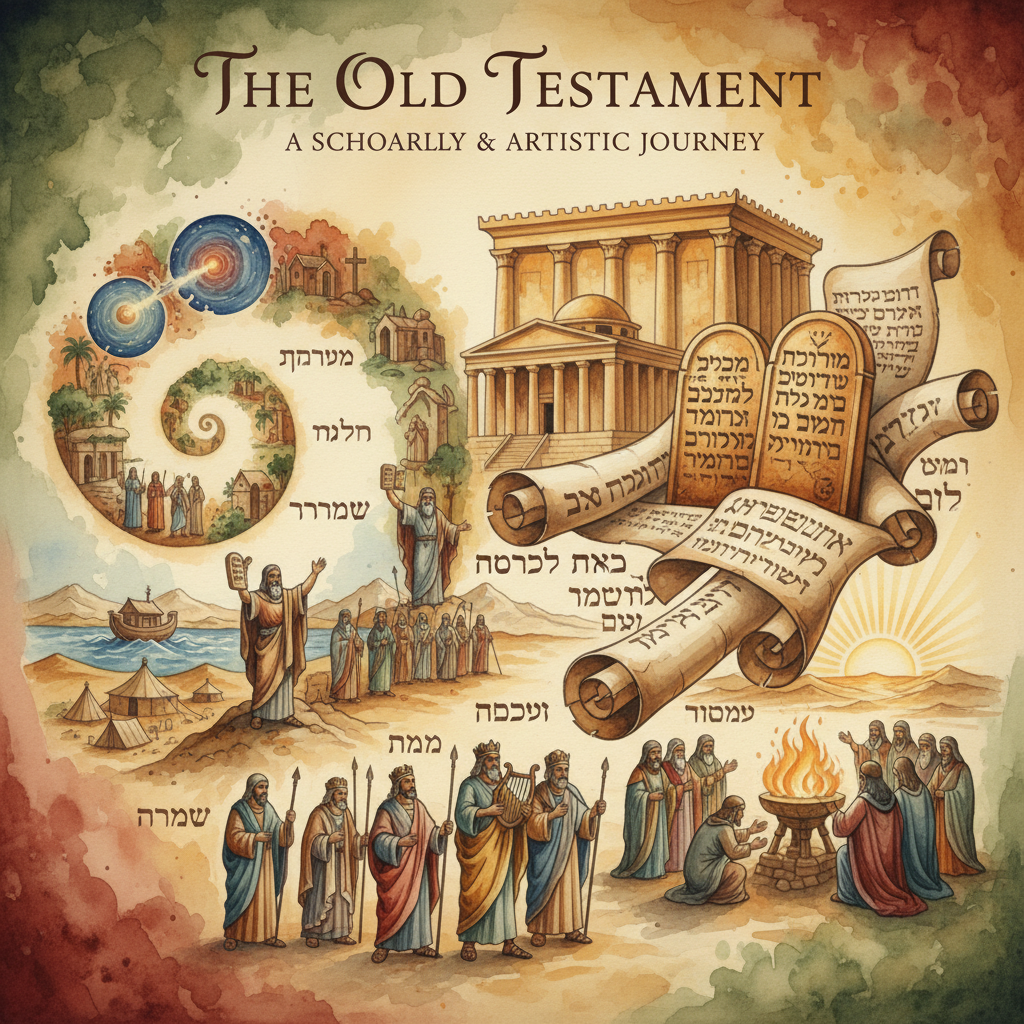
Old Testament (39 Books)
From creation through the prophets, covering God's covenant with Israel and promises of the coming Messiah.
- Pentateuch (5 books): Foundation of the faith
- Historical Books (12 books): Israel's history
- Wisdom Literature (5 books): Poetry and wisdom
- Major Prophets (5 books): Longer prophecies
- Minor Prophets (12 books): Shorter prophecies
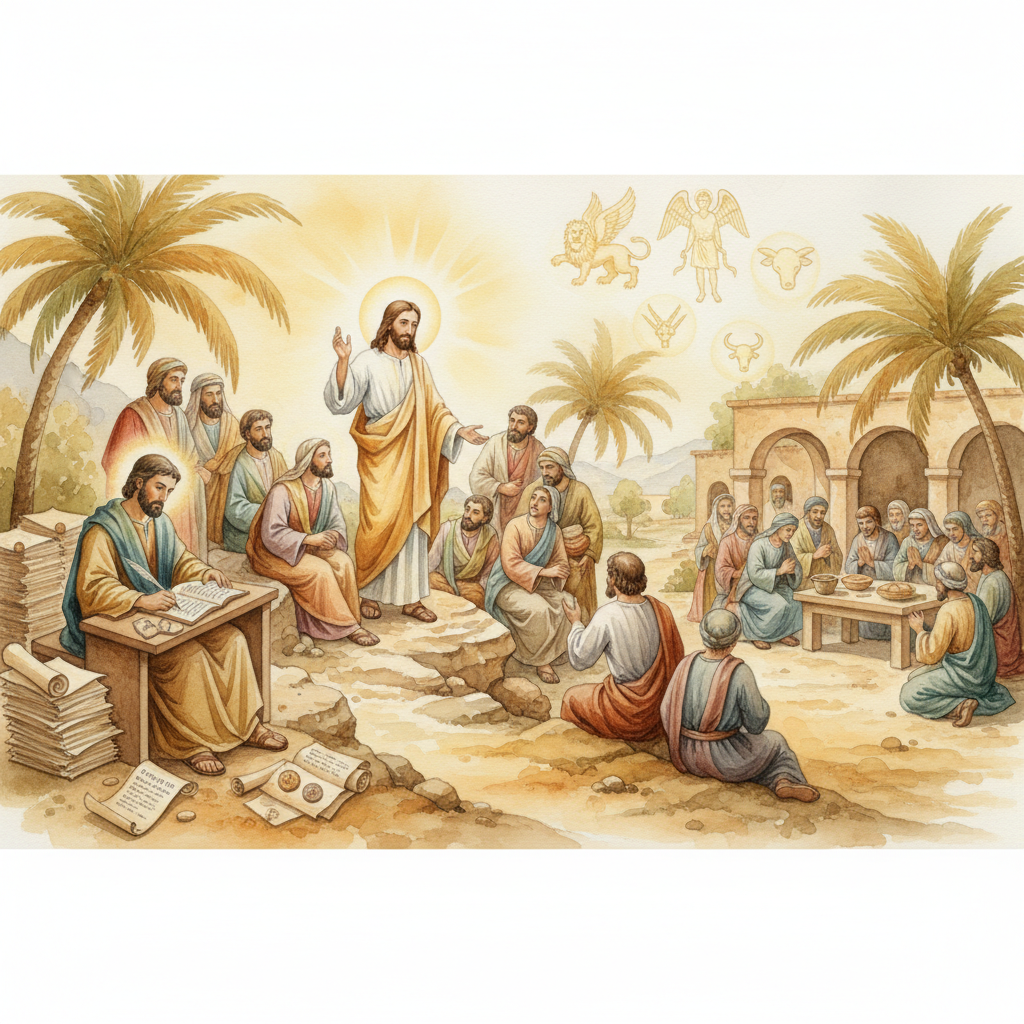
New Testament (27 Books)
The life of Jesus, the early church, and God's plan for all believers through Christ.
- Gospels (4 books): Life of Jesus
- Acts (1 book): Early church history
- Pauline Epistles (13 books): Paul's letters
- General Epistles (8 books): Other apostles' letters
- Revelation (1 book): Prophecy and hope
Old Testament Topics
Explore the foundations of faith in the Old Testament, from creation through the prophets. These 39 books establish God's covenant with His people and point toward the coming Messiah. For deeper study, explore our Exodus Bible study or Psalms study guide.
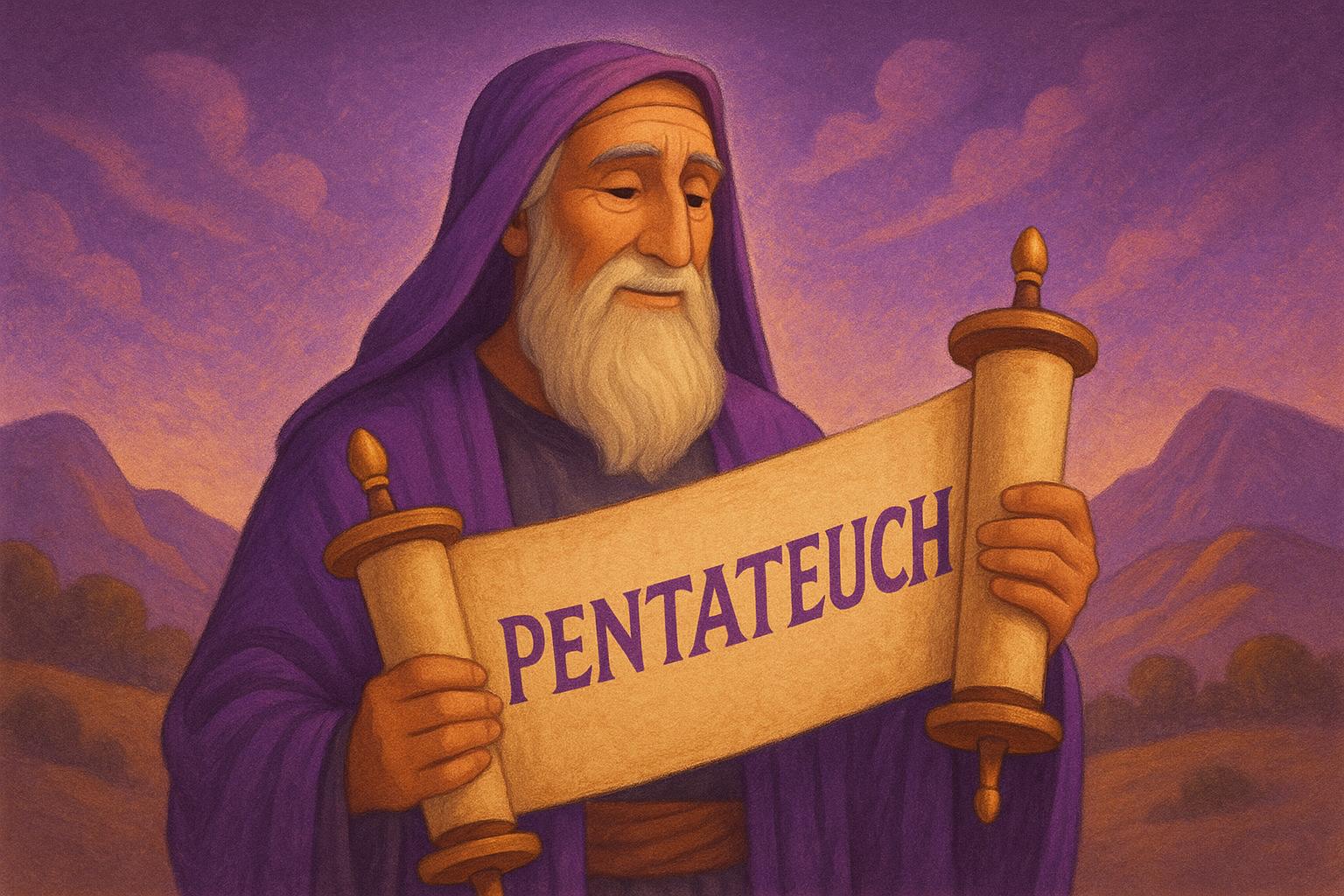
The Pentateuch
The first five books of the Bible: Genesis, Exodus, Leviticus, Numbers, and Deuteronomy.
Key Books:
Historical Books
The history of Israel from the conquest of Canaan to the Babylonian exile.
Key Books:
Wisdom Literature
Books that provide guidance for living a godly life.
Key Books:
Major Prophets
The longer prophetic books of the Old Testament.
Key Books:
Minor Prophets
The shorter prophetic books of the Old Testament.
Key Books:
New Testament Topics
Discover the fulfillment of God's promises in the New Testament. These 27 books reveal Jesus Christ, the growth of the early church, and the hope of His return. Start with our Matthew study or explore Romans for foundational doctrine.
The Gospels
The four accounts of Jesus' life, ministry, death, and resurrection.
Key Books:
Acts of the Apostles
The history of the early Christian church and the spread of the gospel.
Key Books:
Pauline Epistles
Letters written by the Apostle Paul to various churches and individuals.
Key Books:
General Epistles
Letters written by other apostles to the early church.
Key Books:
Revelation
The prophetic book about the end times and the return of Christ.
Key Books:
Thematic Topics
Connect ideas across both Testaments with thematic studies that trace major biblical themes. These topics help you see how God's Word forms one unified story. Explore related studies on prophecy, salvation, and messianic themes.
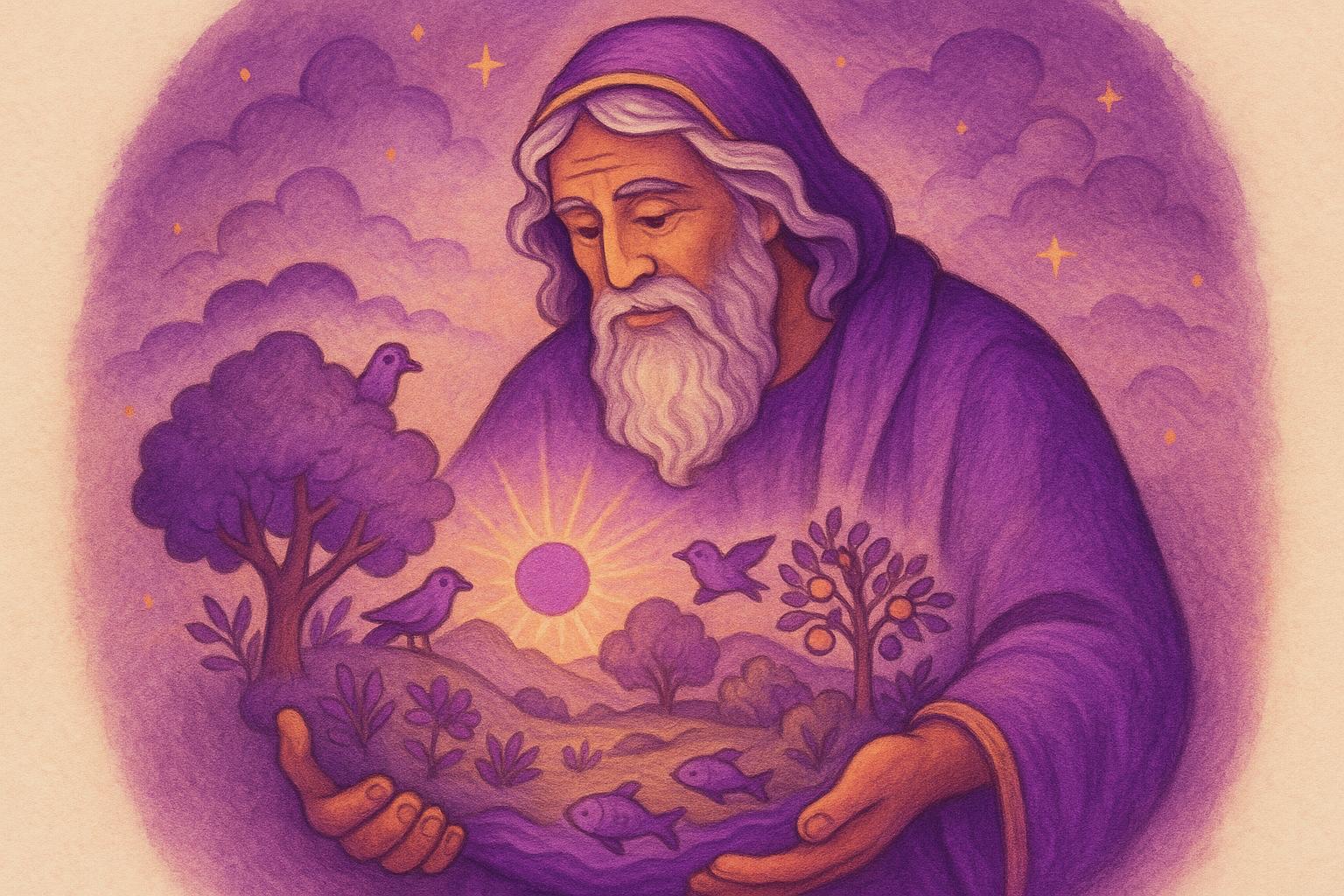
Creation
The biblical account of how God created the heavens and the earth.
Key Books:
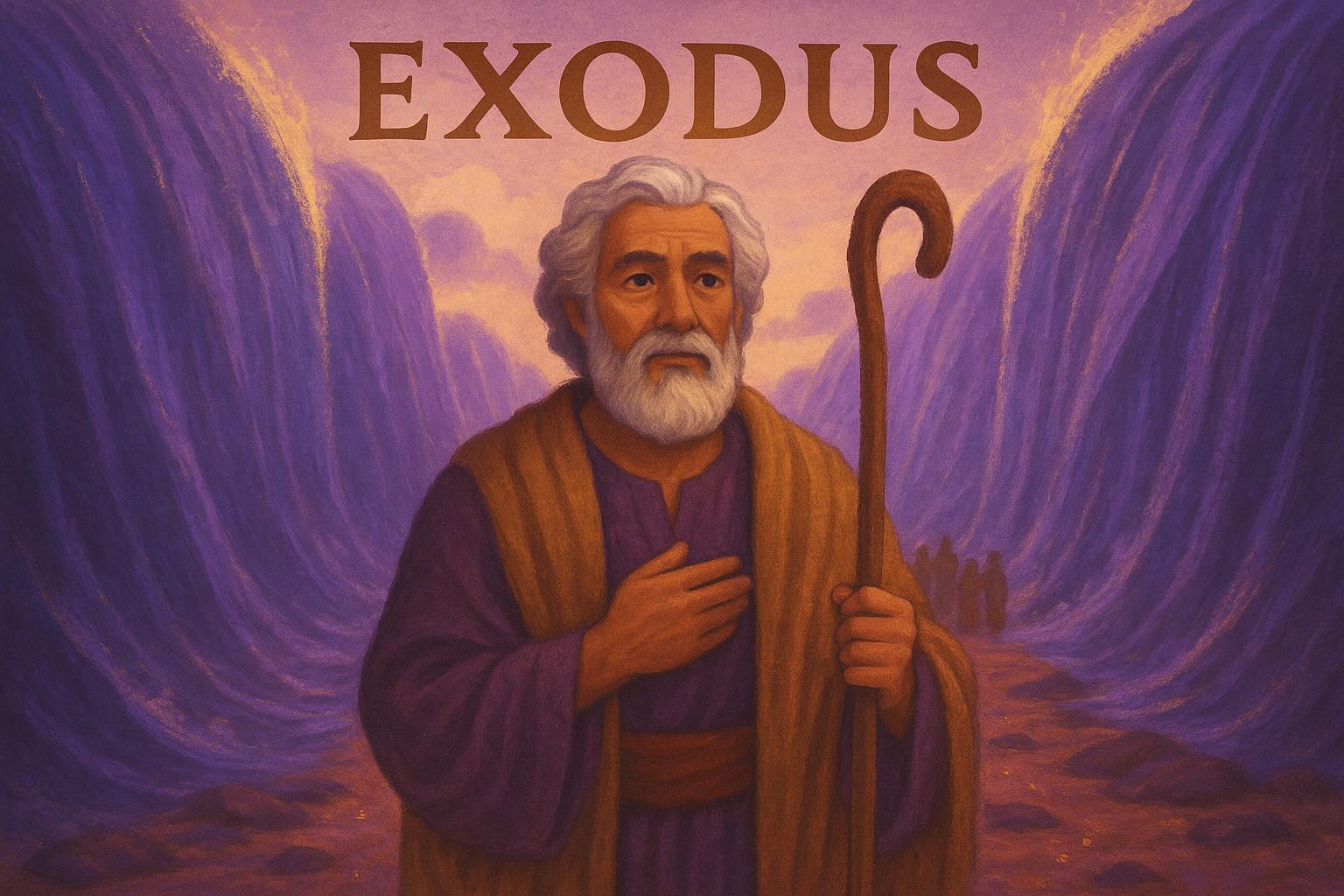
The Exodus
The deliverance of Israel from Egyptian slavery and journey to the Promised Land.
Key Books:
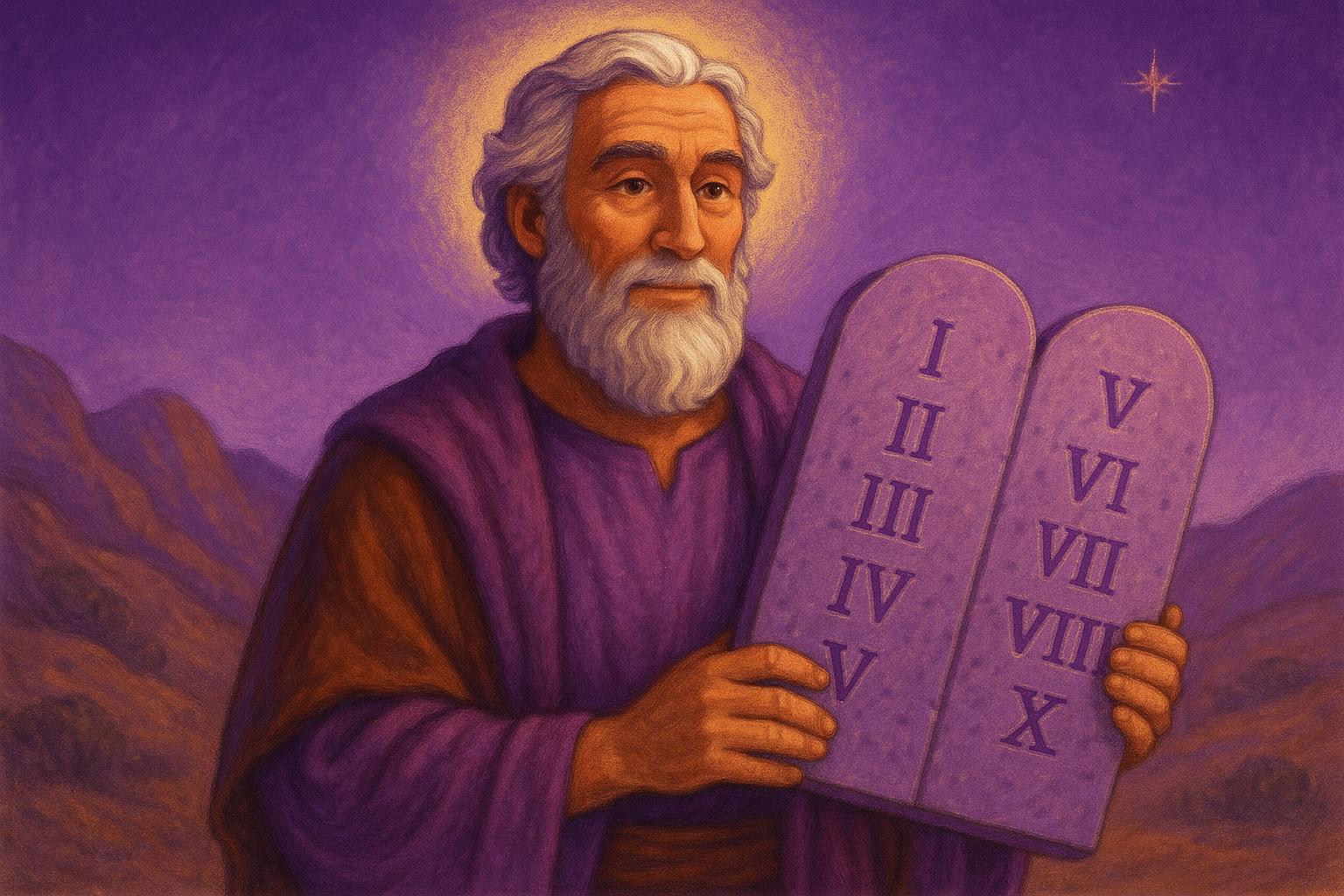
The Ten Commandments
God's moral law given to Moses on Mount Sinai.
Key Books:
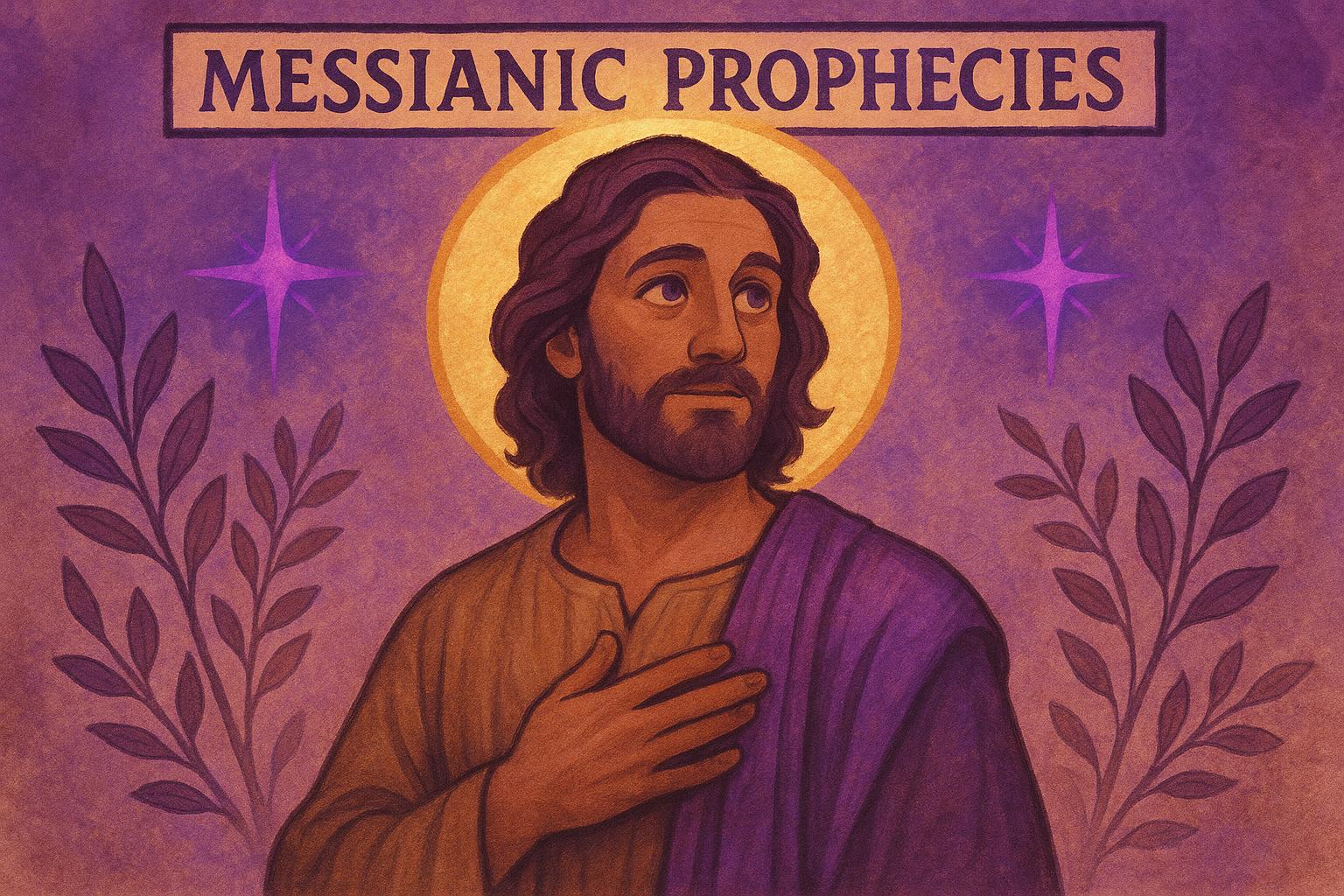
Messianic Prophecies
Old Testament prophecies about the coming Messiah and their fulfillment in Jesus.
Key Books:
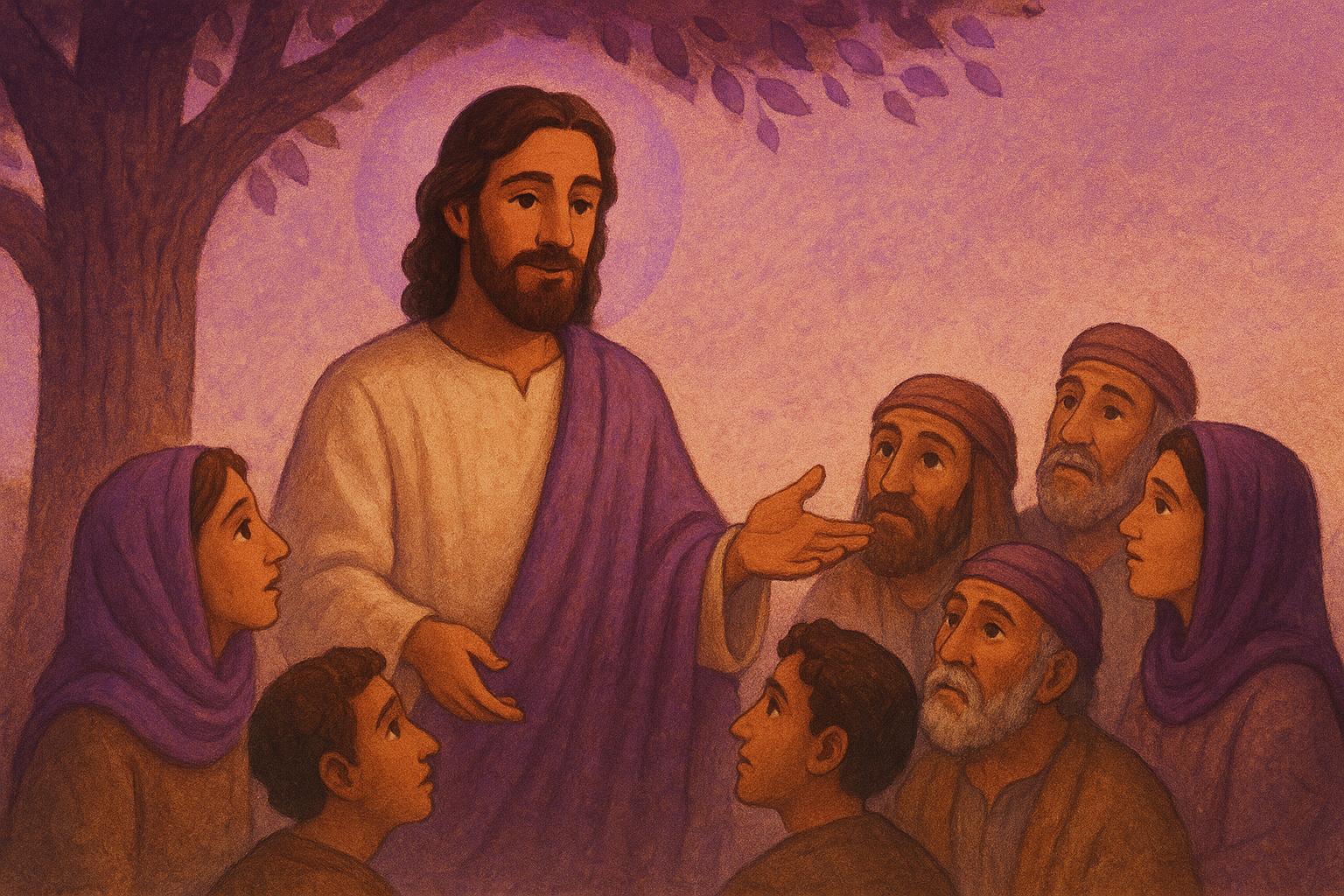
Parables of Jesus
Teaching stories Jesus used to illustrate spiritual truths.
Key Books:
Why Study Biblical Topics?
Topical Bible study helps you understand Scripture more deeply by connecting related passages across the entire Bible.
Comprehensive Understanding
See how themes develop from Genesis to Revelation, understanding the full scope of biblical teaching on any subject.
Practical Application
Connect ancient truths to modern life by exploring topics relevant to your daily challenges and decisions.
Community Discussion
Share insights with your Bible study group and grow together in understanding God's Word.
Related Study Approaches
Inductive Study
Observe, interpret, and apply Scripture using careful analysis methods.
Verse-by-Verse
Study passages in depth, examining each verse in its context.
Chronological
Read Scripture in the order events occurred historically.
Topical Study
Explore specific themes and subjects across the entire Bible.
Explore Biblical Characters
Biblical topics come alive through the people who lived them. Discover how key figures like Abraham, Moses, David, and Paul embody the themes of Scripture.
Frequently Asked Questions
What are the main divisions of the Bible?
The Bible is divided into two main sections: the Old Testament (39 books) and the New Testament (27 books). The Old Testament covers creation through the prophets, while the New Testament focuses on Jesus Christ and the early church. Within these, books are further categorized into groups like the Pentateuch, Historical Books, Wisdom Literature, Prophets, Gospels, and Epistles.
What is the Pentateuch?
The Pentateuch, also called the Torah or the Five Books of Moses, consists of Genesis, Exodus, Leviticus, Numbers, and Deuteronomy. These foundational books cover creation, the patriarchs, the Exodus from Egypt, the giving of the Law, and Israel's journey to the Promised Land. They establish the covenant relationship between God and His people.
What are the Gospels and why are there four?
The Gospels are the first four books of the New Testament: Matthew, Mark, Luke, and John. Each presents Jesus' life, ministry, death, and resurrection from a unique perspective. Matthew emphasizes Jesus as King, Mark portrays Him as Servant, Luke presents Him as the Son of Man, and John reveals Him as the Son of God. Together, they provide a complete picture of who Jesus is.
What is Wisdom Literature in the Bible?
Wisdom Literature includes Job, Psalms, Proverbs, Ecclesiastes, and Song of Solomon. These books offer practical guidance for daily living, explore deep questions about suffering and meaning, and celebrate worship and love. They teach how to live skillfully according to God's design and are known for their poetic beauty and timeless insights.
What is the difference between Major and Minor Prophets?
The distinction between Major and Minor Prophets is based on length, not importance. Major Prophets (Isaiah, Jeremiah, Lamentations, Ezekiel, Daniel) are longer books, while Minor Prophets (Hosea through Malachi) are shorter. Both groups contain equally inspired messages from God about judgment, repentance, and hope for restoration.
What are the Pauline Epistles?
The Pauline Epistles are 13 letters written by the Apostle Paul to churches and individuals. They include Romans, 1 & 2 Corinthians, Galatians, Ephesians, Philippians, Colossians, 1 & 2 Thessalonians, 1 & 2 Timothy, Titus, and Philemon. These letters address theology, Christian living, church order, and pastoral concerns, forming the foundation of Christian doctrine.
How can I study biblical topics effectively?
Effective topical Bible study involves several steps: choose a topic and gather all related passages using a concordance or Bible app like Bible Way, read passages in context, note recurring themes and patterns, compare Old and New Testament perspectives, apply insights to your life, and discuss with others. Bible Way's interactive features make this process engaging and accessible.
What are messianic prophecies?
Messianic prophecies are Old Testament predictions about the coming Messiah (Christ). There are over 300 such prophecies, including His birth in Bethlehem (Micah 5:2), virgin birth (Isaiah 7:14), ministry in Galilee (Isaiah 9:1-2), betrayal for 30 pieces of silver (Zechariah 11:12-13), crucifixion details (Psalm 22), and resurrection (Psalm 16:10). Jesus fulfilled all of them.
Explore Through Reading Plans
Put your topical study into practice with structured reading plans designed to guide you through Scripture.
Additional Resources
Enhance your topical Bible study with these trusted external resources:
Start Exploring Biblical Topics Today
Download Bible Way and discover the joy of interactive, engaging Bible study with comprehensive topic guides and community features.
Questions? Check our FAQ or contact us.