Key Takeaways
Biblical prayer is conversation with God that includes adoration, confession, thanksgiving, and supplication (ACTS model)
Jesus modeled prayer through His own practice and taught disciples specifically how to pray in the Lord's Prayer
The Psalms serve as the Bible's prayer book, teaching us to pray through every emotion and circumstance of life
Effective prayer aligns with God's will, is offered in Jesus' name, and persists with faith and patience
Intercessory prayer is a biblical calling for every believer to stand in the gap for others before God
Prayer combined with Scripture creates a powerful devotional rhythm that transforms the believer's walk with God
Why Study Prayer Through the Bible
Learning to pray from Scripture itself ensures your prayer life is built on solid foundation. Explore our comprehensive features designed to help you grow in prayer.
Prayer Models in Scripture
Study the prayers of Jesus, David, Paul, and other biblical figures to learn powerful prayer patterns that transform your communication with God.
Verse-by-Verse Prayer Studies
Deep dive into key prayer passages like the Lord's Prayer, Psalms, and apostolic prayers with contextual understanding and application.
Prayer Types & Methods
Explore different types of biblical prayer: praise, confession, thanksgiving, intercession, supplication, and spiritual warfare.
Practical Prayer Application
Learn to apply biblical prayer principles in your daily life with guided exercises, prayer journals, and structured devotional time.
Group Prayer Studies
Designed for both personal devotion and small group discussion with questions that spark meaningful conversation about prayer.
Prayer Tracking & Journaling
Digital tools to track prayer requests, record answers, and journal your prayer journey as you grow in communion with God.
Prayer Study in Action
See how believers are transforming their prayer lives through biblical study

Personal Prayer Time
Beginning each day with Scripture-guided prayer that connects your heart with God's Word and His purposes.

Small Group Prayer
Communities gathering to study prayer together and practice intercession as they grow in biblical understanding.
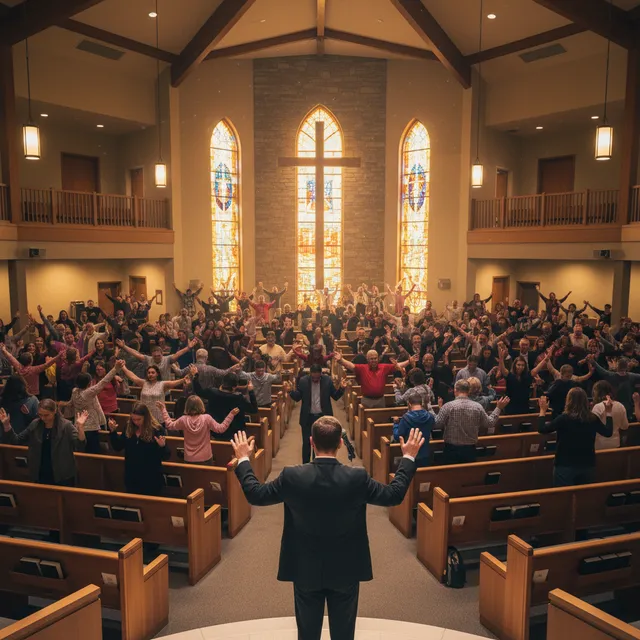
Corporate Prayer
Churches experiencing revival as members learn to pray together according to biblical patterns and promises.

Prayer Journaling
Documenting prayers, recording answers, and tracking spiritual growth through structured journaling practices.

Family Prayer
Parents teaching children to pray through Scripture, building family altars that shape the next generation.

Prayer Retreat
Extended times of focused prayer and Scripture meditation that deepen communion with God.
Prayer Study Topics
Comprehensive biblical studies on every aspect of prayer. Combine with our daily Bible study for consistent growth.
Foundational Prayer Studies
Master the essentials of biblical prayer with these core studies
- The Lord's Prayer - Matthew 6:9-13 Deep Study
- ACTS Prayer Model - Adoration, Confession, Thanksgiving, Supplication
- Jesus' High Priestly Prayer - John 17 Analysis
- The Prayer Life of Jesus - Gospels Survey
- Hannah's Prayer - Faith and Desperation
- Solomon's Prayer for Wisdom - 1 Kings 3
Prayers of the Psalms
Learn to pray through the Psalter's rich prayer language
- Psalms of Lament - Honest Prayer in Suffering
- Thanksgiving Psalms - Cultivating Gratitude
- Penitential Psalms - Confession and Restoration
- Imprecatory Psalms - Understanding Difficult Prayers
- Royal Psalms - Praying for Leaders
- Hallelujah Psalms - Pure Praise and Worship
Apostolic Prayer Studies
Study the prayers in the New Testament epistles
- Paul's Prayer for the Ephesians - Ephesians 1 & 3
- Prayer for Spiritual Wisdom - Colossians 1:9-14
- The Prayer of Faith - James 5:13-18
- Praying in the Spirit - Ephesians 6:18
- Paul's Pastoral Prayers - 1 & 2 Timothy
- Jude's Doxology - Praying God's Preservation
Topical Prayer Studies
Explore specific dimensions of prayer in depth
- Intercessory Prayer - Standing in the Gap
- Prayer and Fasting - Biblical Guidelines
- Corporate Prayer - Praying Together
- Spiritual Warfare Prayer - Ephesians 6
- Persistent Prayer - The Importunate Widow
- Praying Scripture - Praying God's Word Back
What Our Community Says
Real testimonials from believers whose prayer lives have been transformed
"Bible Way's prayer study transformed our church's prayer ministry. The biblical depth combined with practical application has equipped our members to pray with confidence and see God move in powerful ways."
"I've taught prayer studies for 15 years, and Bible Way offers the most comprehensive, accessible material I've found. My women's group went from struggling with prayer to having vibrant, Scripture-filled prayer times."
"We did the prayer study together as a couple, and it revolutionized our marriage. Learning to pray together biblically has deepened our relationship with God and each other beyond what we thought possible."
Prayer Study Resources
Everything you need to develop a rich, biblical prayer life. Access alongside our online Bible study platform.
Biblical Prayer Guide
Comprehensive guide to every major prayer in Scripture with context, meaning, and application points.
Prayer Journal Templates
Structured journaling prompts based on biblical prayer patterns to deepen your prayer practice.
Praying the Psalms
Learn to use the Psalms as your prayer book with guided exercises for personal and corporate prayer.
Prayer Request Tracker
Digital tool to record prayers, track answers, and build your testimony of God's faithfulness.
Group Discussion Guides
Ready-to-use materials for leading prayer studies in small groups, Bible studies, or Sunday school.
Prayer Audio Guides
Guided prayer sessions and meditations based on Scripture to help you learn biblical prayer patterns.
Understanding Biblical Prayer
The Bible reveals prayer as far more than requesting things from God. Scripture presents prayer as intimate conversation with our Creator, a discipline that transforms us into Christ's likeness as we align our hearts with His will. Through studying the prayers recorded in Scripture, we discover that effective prayer flows from relationship, not religious formula. The Old Testament shows us how the patriarchs, kings, and prophets communed with God through honest, passionate dialogue. The Psalms provide a complete vocabulary for prayer covering every human emotion and circumstance.
In the New Testament, Jesus revolutionized prayer by teaching His disciples to address God as "Father" and by modeling a prayer life of profound intimacy and dependence. The apostles continued this legacy, embedding prayers throughout their letters that show us how to pray for spiritual growth, wisdom, strength, and kingdom advancement. A Bible study on prayer isn't merely academic; it's transformational, equipping believers to commune with God according to His revealed patterns and promises.
Prayer Study Benefits:
Join Our Prayer Community
Connect with believers committed to growing in prayer. Find or start a small group Bible study focused on prayer.
Community Features
- Weekly prayer study content with discussion guides
- Prayer request sharing and intercession
- Testimony sharing of answered prayers
- Resources for leading prayer groups
"The prayer community transformed my understanding of intercession. I went from praying generic prayers to praying Scripture-filled, faith-filled prayers that have seen incredible answers. This is what prayer was meant to be!"
Robert M.
Prayer group leader, Atlanta
Frequently Asked Questions
Common questions about studying prayer through Scripture
What is the best way to study prayer in the Bible?
The most effective approach to studying prayer in the Bible combines examining specific prayer passages with understanding their historical and theological context, then applying those principles to your own prayer life. Start with the Lord's Prayer in Matthew 6:9-13, as Jesus explicitly taught this as a model for how to pray. Move to studying the prayers of the Psalms, which cover every human emotion and situation. Examine the great prayers of biblical figures like Abraham, Moses, Hannah, David, Daniel, and Nehemiah in the Old Testament. In the New Testament, study Jesus' prayer life recorded in the Gospels, particularly His prayers in Gethsemane and His High Priestly Prayer in John 17. Analyze Paul's prayers in Ephesians 1, 3, Colossians 1, and Philippians 1. Use a study Bible with commentary, keep a prayer journal to record insights and applications, and actually practice the prayer principles you're learning. Bible Way provides structured study guides for each major prayer passage with historical background, verse-by-verse analysis, and practical application exercises.
How did Jesus teach us to pray?
Jesus taught us to pray through both His explicit instruction and His personal example. In Matthew 6:5-15, Jesus gave direct teaching on prayer: pray sincerely rather than for show, pray privately and persistently, don't use empty repetitions thinking more words equal better prayer, and follow the pattern of the Lord's Prayer. The Lord's Prayer itself teaches us to address God as Father, begin with His glory and kingdom purposes, then bring our needs (daily provision, forgiveness, protection from temptation). Jesus also taught through parables: the persistent widow (Luke 18:1-8) teaches perseverance; the Pharisee and tax collector (Luke 18:9-14) teaches humility; the friend at midnight (Luke 11:5-13) teaches boldness. Throughout the Gospels, we see Jesus modeling prayer: He rose early to pray in solitary places (Mark 1:35), prayed before major decisions (Luke 6:12-13), prayed in crisis (Gethsemane), and prayed publicly (John 11:41-42). Jesus taught that effective prayer requires faith (Mark 11:22-24), forgiveness toward others (Mark 11:25), and agreement among believers (Matthew 18:19-20).
What are the different types of prayer in the Bible?
Scripture reveals multiple types of prayer, each serving different purposes in our relationship with God. Adoration and praise (Psalm 145) is worship-focused prayer that acknowledges God's character and attributes. Thanksgiving (Philippians 4:6) expresses gratitude for God's blessings and works. Confession (1 John 1:9, Psalm 51) involves acknowledging sin and seeking forgiveness and restoration. Supplication or petition (Philippians 4:6) brings personal needs and requests before God. Intercession (1 Timothy 2:1-4) is praying on behalf of others, standing in the gap for their needs. Lament (many Psalms) expresses grief, complaint, and honest wrestling with God in difficulty. Imprecatory prayer (Psalm 109) calls for God's justice against wickedness. Dedication and commitment (Romans 12:1) is consecration of oneself to God's purposes. Spiritual warfare prayer (Ephesians 6:18) engages against spiritual forces through prayer. Praying in the Spirit (Jude 20, Romans 8:26-27) involves the Holy Spirit's guidance in prayer. Most healthy prayer lives incorporate all these types, with the ACTS model (Adoration, Confession, Thanksgiving, Supplication) providing a helpful basic structure.
How do I pray according to God's will?
Praying according to God's will begins with knowing His will through Scripture, since His written Word reveals His character, purposes, and promises. When we pray Scripture back to God, we're assured we're praying according to His will. First John 5:14-15 promises that when we ask according to His will, He hears us and grants our requests. To pray in God's will: saturate yourself in Scripture so His desires become your desires; pray for the things Scripture explicitly tells us are God's will, such as salvation of the lost (2 Peter 3:9), sanctification of believers (1 Thessalonians 4:3), and wisdom when we ask (James 1:5); maintain a posture of submission, always including "Your will be done" as Jesus modeled in Gethsemane; listen for the Spirit's guidance, as Romans 8:26-27 says the Spirit intercedes according to God's will; and be willing to accept God's answer even when it differs from your request. Praying in Jesus' name means praying in alignment with His character and purposes, not using His name as a magical formula.
What does the Bible say about unanswered prayer?
Scripture addresses why prayers sometimes seem unanswered from multiple angles. First, God always answers prayer, but His answers include "yes," "no," and "wait." What we perceive as unanswered prayer may be God's "no" for our protection or His "not yet" for His timing. Second, the Bible identifies hindrances to prayer: unconfessed sin (Psalm 66:18, Isaiah 59:2), wrong motives (James 4:3), lack of faith (James 1:6-7), unforgiveness toward others (Mark 11:25), marital disharmony (1 Peter 3:7), and neglecting the poor (Proverbs 21:13). Third, sometimes God delays answers to grow our faith, as with Jesus' delay in going to Lazarus (John 11). Fourth, spiritual warfare can delay answers, as Daniel experienced when angelic messengers were hindered (Daniel 10:12-13). Fifth, God's ways and timing are higher than ours (Isaiah 55:8-9); He sees the full picture we cannot. The proper response to seeming unanswered prayer is to examine our hearts, persist in faithful prayer, and trust God's wisdom and love even when we don't understand.
How can I develop a consistent prayer life?
Developing consistency in prayer requires intentionality, structure, and grace. Set a specific time for prayer, preferably in the morning as Jesus modeled (Mark 1:35), creating a non-negotiable appointment with God. Designate a specific place free from distractions where you regularly meet with God. Use a structure like ACTS (Adoration, Confession, Thanksgiving, Supplication) to guide your prayers and prevent aimlessness. Incorporate Scripture into your prayers, either praying through a Psalm or using Bible verses as prayer prompts. Keep a prayer journal to track requests, record answers, and maintain focus. Start small - even 10 minutes of focused prayer is better than ambitious goals you can't maintain. Use tools like prayer lists, prayer apps like Bible Way, or written prayers from devotional resources. Find an accountability partner who will ask about your prayer life. Expect spiritual resistance since prayer threatens the enemy; don't give up when you face obstacles. Remember that consistency comes from relationship, not just discipline; as you experience God in prayer, you'll desire it more. Bible Way's prayer tracking and reminder features help establish and maintain consistent prayer habits.
What is intercessory prayer and how do I do it?
Intercessory prayer is praying on behalf of others, "standing in the gap" between God and those in need. The term comes from the Hebrew word meaning to meet or intervene. Biblical intercessors include Abraham pleading for Sodom (Genesis 18:22-33), Moses interceding for Israel after the golden calf (Exodus 32:11-14), Samuel committing to pray for Israel as a duty (1 Samuel 12:23), and Jesus as our ultimate intercessor (Romans 8:34, Hebrews 7:25). To practice intercession effectively: maintain a prayer list of people and needs; pray specific, informed prayers rather than vague generalities; use Scripture to pray God's Word over others' situations; pray consistently over time, not just once; pray with faith, expectantly believing God hears; fast when led to intensify intercession; and record answers to build faith. The Holy Spirit helps us intercede when we don't know how to pray (Romans 8:26-27). Intercessory prayer is both a privilege and responsibility for every believer, not just those with a special "gift." As you intercede for others, you'll find your heart expands with God's compassion for the world.
What does the Bible say about praying with others?
Scripture highly values corporate prayer, presenting it as distinctly powerful. Jesus promised that where two or three gather in His name, He is present among them, and that agreement in prayer releases God's action (Matthew 18:19-20). The early church devoted themselves to prayer together (Acts 2:42), and their united prayers shook the building and filled them with the Holy Spirit (Acts 4:31). When Peter was imprisoned, the church prayed earnestly together, and he was miraculously released (Acts 12:5-17). Paul repeatedly asked churches to pray for him (Romans 15:30, 2 Corinthians 1:11, Ephesians 6:19). Corporate prayer builds faith as we hear others pray and witness God answer. It creates unity as believers align their hearts around shared concerns. It teaches us to pray as we learn from others' prayer language. Guidelines for effective group prayer: keep individual prayers focused and concise; avoid "preaching prayers" directed at others; pray conversationally, building on what others pray; create safe space for all to participate; and follow up on requests to celebrate answers together. Bible Way's group features facilitate shared prayer lists and collective intercession.
How do I use the Psalms for prayer?
The Psalms are the Bible's prayer book, providing vocabulary for every human emotion and situation. To pray the Psalms effectively: read a Psalm slowly, letting it become your own prayer; personalize it by inserting your name and circumstances; pray it aloud, which engages you more deeply; meditate on phrases that resonate, expanding them in your own words; use different Psalm types for different needs, such as lament Psalms when grieving (Psalm 13, 22, 88), thanksgiving Psalms when grateful (Psalm 103, 136), penitential Psalms when confessing sin (Psalm 32, 51), and praise Psalms when worshiping (Psalm 145, 150). The Psalms give permission to be honest with God, even expressing anger, confusion, and complaint. They model moving from lament to trust, teaching us to process emotions through faith. Many Christians pray through all 150 Psalms monthly, reading approximately 5 per day. Praying the Psalms connects you to millennia of believers who have prayed these same words. It expands your prayer vocabulary beyond your limited expressions and aligns your heart with inspired Scripture.
What is the relationship between prayer and fasting?
Prayer and fasting are connected throughout Scripture as complementary spiritual disciplines that intensify seeking God. Fasting is abstaining from food (or other things) for spiritual purposes, typically to sharpen focus on prayer and deepen dependence on God. Biblical examples include Moses fasting 40 days while receiving the law (Exodus 34:28), David fasting in prayer for his sick child (2 Samuel 12:16), Ezra fasting before a dangerous journey (Ezra 8:21-23), Esther calling a fast before approaching the king (Esther 4:16), Daniel fasting for revelation (Daniel 9:3), Jesus fasting 40 days before His ministry began (Matthew 4:2), and the early church fasting for guidance (Acts 13:2-3, 14:23). Jesus assumed His followers would fast, saying "when you fast," not "if" (Matthew 6:16-18). Fasting works by: humbling the soul before God (Psalm 35:13); heightening spiritual alertness; removing distractions; demonstrating seriousness about our requests; and creating more time for prayer. Practical guidelines: start with one meal, then extend; drink water; prepare physically by eating healthy beforehand; and focus the saved mealtime on prayer and Scripture. Fasting is not earning God's favor but positioning yourself to receive what He's already willing to give.
How does prayer relate to spiritual warfare?
Prayer is both a weapon and a defense in spiritual warfare. Ephesians 6:10-18 describes the armor of God, concluding with the command to "pray in the Spirit on all occasions with all kinds of prayers and requests" - prayer activates and maintains the armor. Scripture teaches that we battle not against flesh and blood but against spiritual forces (Ephesians 6:12), and our weapons are divinely powerful to demolish strongholds (2 Corinthians 10:4-5). Daniel's prayers moved angelic armies against demonic resistance (Daniel 10:12-13). Jesus taught that some spiritual oppression only yields to prayer and fasting (Mark 9:29). Warfare prayer includes: praying for protection for yourself and loved ones; binding demonic influence and loosing God's purposes (Matthew 16:19, 18:18); claiming Christ's victory and authority over the enemy; declaring Scripture promises against the enemy's lies; interceding for those in spiritual bondage; and praying for God's kingdom to advance against darkness. Warfare prayer must be grounded in Christ's finished work - we fight from victory, not for victory. We need not fear the enemy, but neither should we ignore spiritual realities. Bible Way includes warfare prayer guides rooted in Scripture.
What does praying in Jesus' name mean?
Praying "in Jesus' name" is far more than adding those words to the end of prayers. In biblical culture, a name represented a person's character, authority, and identity. When Jesus said to pray in His name (John 14:13-14, 15:16, 16:23-24), He was inviting us to pray on the basis of His person and work, with His authority, according to His character and purposes. Praying in Jesus' name means: we have access to God only through Christ, the one mediator (1 Timothy 2:5); we come with His authority, as representatives presenting His agenda; we pray in alignment with His character and will; we rely on His finished work on the cross, not our own merit; and we expect the Father to respond because of who Jesus is. It's like a servant delivering a message "in the king's name" - the servant has no authority of his own, but carries the king's full authority when acting on the king's behalf. Using Jesus' name isn't a magic formula guaranteeing yes answers; it's approaching God through the only access He's provided, praying things Jesus Himself would endorse. Misusing His name for selfish or ungodly requests dishonors Him.
Trusted Prayer Resources
Additional external resources to deepen your study of biblical prayer
BibleGateway Prayer Topics
Comprehensive collection of prayer verses and passages across translations
biblegateway.com →Got Questions on Prayer
Biblical answers to common questions about prayer and its practice
gotquestions.org →Desiring God Prayer Resources
Articles, sermons, and devotionals on prayer from John Piper's ministry
desiringgod.org →Christianity Today Prayer
Contemporary articles and features on prayer in the Christian life
christianitytoday.com →Transform Your Prayer Life Through Scripture
Don't settle for struggling in prayer when God has provided rich instruction in His Word. A Bible study on prayer will equip you with biblical patterns, promises, and practices that transform your communication with God from frustration to flourishing. Whether you're a new believer learning the basics or a seasoned Christian seeking deeper intimacy, studying prayer through Scripture will revolutionize your relationship with God. Download Bible Way today and begin the journey of discovering all that biblical prayer can be in your life.