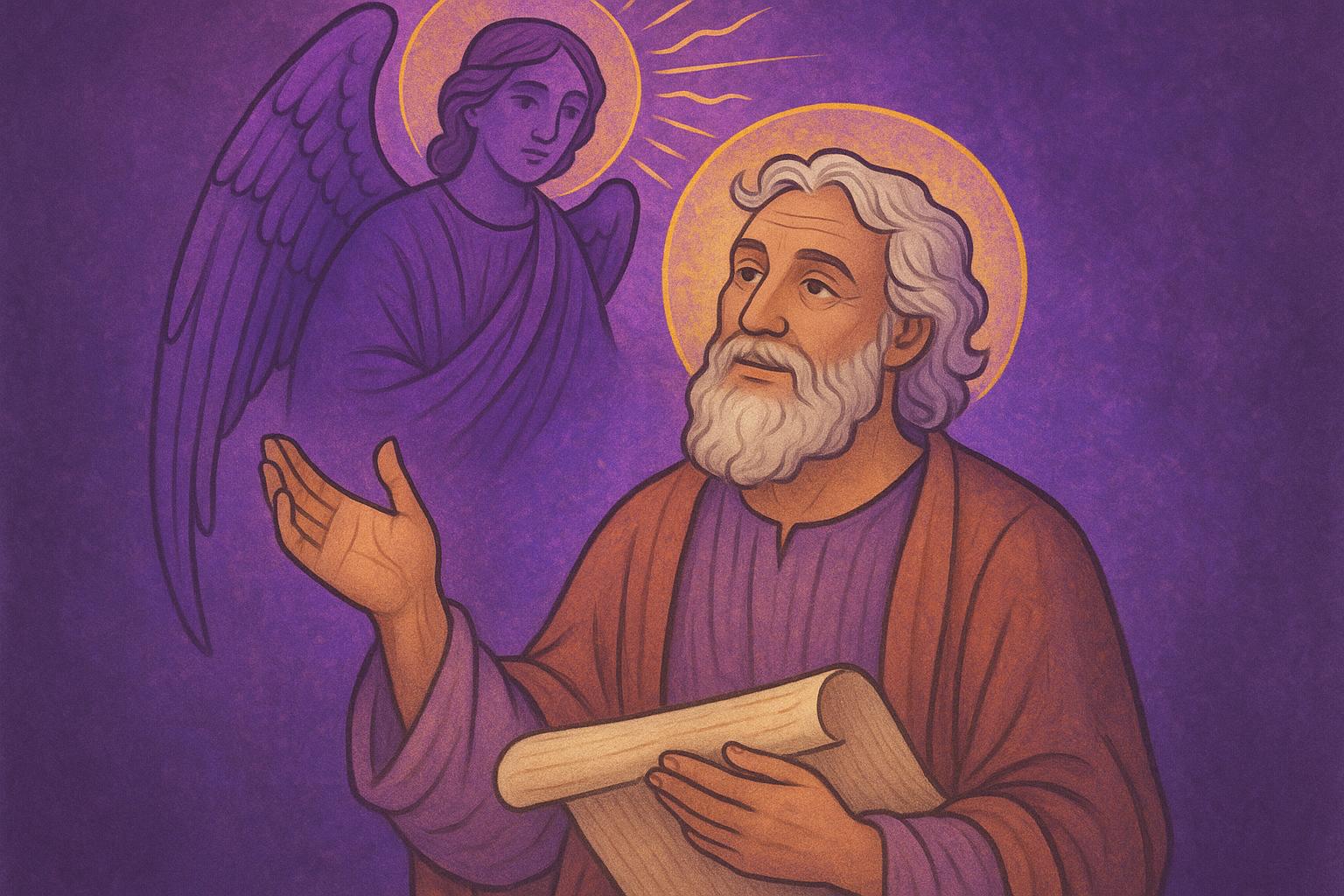
Revelation
The prophetic book about the end times and the return of Christ.
Key Takeaways
- Revelation is the only New Testament book classified as apocalyptic literature
- The book contains 22 chapters of symbolic visions about the end times
- Key elements include the seven churches, seals, trumpets, bowls, and the New Jerusalem
- Its main message is hope: Christ wins, evil is defeated, and God makes all things new
- Bible Way's prophecy study tools help you navigate this complex but rewarding book
Understanding Revelation
The Book of Revelation, also called the Apocalypse, is the final book of the New Testament and the Bible. Written by John during his exile on the island of Patmos around AD 90-95, Revelation unveils God's plan for the culmination of history through a series of vivid visions and symbolic imagery.
Unlike any other New Testament book, Revelation belongs to the apocalyptic genre, which uses symbolic language to reveal hidden truths about the spiritual realm and future events. Its core message is clear: despite present sufferings and the apparent triumph of evil, God remains sovereign, Christ will return victoriously, and faithful believers will ultimately share in God's eternal kingdom.
Related Bible Studies
Books in Revelation
Revelation
An apocalyptic vision of the cosmic struggle between good and evil, culminating in Christ's victory and the new creation.
Key Events:
- Seven Churches
- Heavenly Throne Room
- Seven Seals
- Seven Trumpets
- Cosmic Conflict
Related Reading Plans
Frequently Asked Questions
Who wrote the Book of Revelation?
The Book of Revelation was written by "John" while exiled on the island of Patmos (Revelation 1:9). Traditionally, this is identified as the Apostle John, the same author of the Gospel of John and 1-3 John, though some scholars debate this identification.
What are the main interpretive approaches to Revelation?
There are four main approaches: (1) Preterist - events were largely fulfilled in the first century; (2) Historicist - events outline church history; (3) Futurist - most events are yet to come; (4) Idealist - symbols represent the ongoing spiritual battle. Bible Way presents multiple perspectives to help you study responsibly.
What is the main message of Revelation?
Despite its complex imagery, Revelation's main message is simple: God is sovereign, evil will be judged, Christ will return victoriously, and faithful believers will share in God's eternal kingdom. The book was written to encourage persecuted Christians that their faithfulness matters and that ultimate victory belongs to God.
Key Information
Alternative Names
The Apocalypse, The Revelation to John
Author
John (traditionally identified as the Apostle John)
Written
c. AD 90-95
Total Chapters
22 chapters
Key Themes
Divine Sovereignty
Christ's Victory
Persecution and Faithfulness
Judgment of Evil
Worship
New Creation
Hope in Suffering
External Resources
Start Studying Today
Download Bible Way for interactive study tools, reading plans, and community features.
Explore More Bible Study Resources
Ready to Dive Deeper into Revelation?
Download Bible Way for interactive study tools, structured reading plans, and a supportive community of believers.