Psalms Bible Study - Worship, Prayer & Praise
Discover the heart of worship through a comprehensive Psalms Bible study. The Book of Psalms contains 150 chapters of praise, lament, thanksgiving, and trust that teach us how to pray, worship, and connect with God in every season of life. Whether you're experiencing joy or sorrow, victory or defeat, the Psalms give voice to your soul and draw you closer to the God who hears every cry.
Key Takeaways
150 chapters covering every human emotion and experience before God
Models for authentic prayer including praise, lament, confession, and petition
Messianic prophecies pointing to Jesus Christ throughout the Psalter
Hebrew poetry and parallelism that enriches meaning and memorization
Historical context from David, Solomon, Asaph, and the Sons of Korah
Practical application for daily worship, emotional health, and spiritual growth
Why Study the Book of Psalms?
The Psalms are the prayer book and hymnal of the Bible, giving words to every human experience before God
Worship & Praise
Learn how the Psalms teach us to praise God in every circumstance with authentic, heartfelt worship.
Prayer Models
Discover how the Psalms provide templates for prayer including confession, petition, and thanksgiving.
Lament & Comfort
Find comfort in Psalms of lament that express honest grief, doubt, and pain before a loving God.
Messianic Prophecy
Explore Psalms that prophesy about Christ, including His suffering, resurrection, and eternal reign.
Historical Context
Understand the background of David, Solomon, and other psalmists who penned these sacred songs.
Daily Strength
Apply Psalms to daily life for courage, peace, guidance, and renewed faith in difficult seasons.
Understanding the Psalms
A comprehensive introduction to the Book of Psalms and its place in Scripture
The Book of Psalms stands as the heart of the Old Testament, a collection of 150 sacred songs and poems that have shaped Jewish and Christian worship for over three millennia. Known in Hebrew as "Tehillim" (Praises), the Psalms represent the most quoted Old Testament book in the New Testament, demonstrating their enduring relevance for understanding God's character and humanity's relationship with Him. Jesus Himself prayed the Psalms, quoted them in His teaching, and fulfilled their messianic prophecies on the cross.
The Psalter is traditionally divided into five books, mirroring the five books of Moses (Torah). Book One (Psalms 1-41) focuses on individual devotion and trust in God amid personal trials. Book Two (Psalms 42-72) expands to national concerns and royal themes. Book Three (Psalms 73-89) wrestles with difficult questions of theodicy and covenant faithfulness. Book Four (Psalms 90-106) celebrates God's eternal reign and sovereignty. Book Five (Psalms 107-150) culminates in escalating praise, ending with five "Hallelujah" psalms that call all creation to worship.
While King David authored approximately 73 psalms, other contributors include Solomon (Psalms 72, 127), Moses (Psalm 90), Asaph (12 psalms), the Sons of Korah (11 psalms), and several anonymous writers. This diversity of authorship spanning nearly a millennium reflects the Psalms' universal appeal - they speak to every generation, culture, and life circumstance. Whether you're seeking words for praise or lament, confession or thanksgiving, the Psalms provide a divinely inspired vocabulary for communicating with God.
Journey Through the Five Books
Explore all 150 Psalms organized by their traditional five-book structure
Book One: Psalms 1-41
Foundation of faith, trust in trials, and personal devotion
- Psalm 1 - The Blessed Life
- Psalm 8 - Human Dignity
- Psalm 19 - God's Revelation
- Psalm 22 - Messianic Suffering
- Psalm 23 - The Good Shepherd
- Psalm 27 - Fearless Faith
- Psalm 32 - Forgiveness & Joy
- Psalm 34 - Deliverance & Praise
Book Two: Psalms 42-72
Longing for God, national prayers, and royal psalms
- Psalm 42-43 - Thirsting for God
- Psalm 46 - God Our Refuge
- Psalm 51 - David's Repentance
- Psalm 63 - Seeking God Earnestly
- Psalm 66 - Praise for Answered Prayer
- Psalm 67 - Missionary Prayer
- Psalm 72 - The Righteous King
Book Three: Psalms 73-89
Wrestling with injustice and God's covenant faithfulness
- Psalm 73 - Why the Wicked Prosper
- Psalm 77 - Remembering God's Works
- Psalm 78 - Learning from History
- Psalm 84 - Dwelling with God
- Psalm 86 - A Prayer of David
- Psalm 89 - Covenant with David
Books Four & Five: Psalms 90-150
God's eternal reign, pilgrimage songs, and Hallelujah praise
- Psalm 90 - Moses' Prayer
- Psalm 91 - Divine Protection
- Psalm 100 - Enter His Courts
- Psalm 103 - Bless the Lord
- Psalm 119 - The Word of God
- Psalms 120-134 - Songs of Ascent
- Psalm 139 - God Knows Me
- Psalms 146-150 - Final Hallelujah
Types of Psalms Explained
Understanding psalm categories helps you find the right prayer for every season
Praise Psalms
Celebrate God's character and mighty works. These psalms call us to worship God for who He is - Creator, Sustainer, Redeemer - regardless of circumstances.
Examples: Psalms 8, 19, 29, 33, 100, 103, 145-150
Lament Psalms
Express grief, suffering, and complaint to God honestly. These psalms model bringing our pain to God while ultimately affirming trust in His faithfulness.
Examples: Psalms 3, 13, 22, 42-43, 69, 88, 130
Thanksgiving Psalms
Respond to specific answers to prayer with gratitude. These psalms publicly acknowledge God's intervention and encourage others to trust Him.
Examples: Psalms 18, 30, 32, 34, 66, 92, 116, 118
Royal/Messianic Psalms
Focus on Israel's king and ultimately prophesy about the Messiah. These psalms reveal Christ as the eternal King, suffering Servant, and victorious Lord.
Examples: Psalms 2, 20, 21, 45, 72, 89, 110, 132
Wisdom Psalms
Teach principles for godly living, contrasting the righteous and wicked. These psalms connect to Proverbs and offer practical guidance for life choices.
Examples: Psalms 1, 37, 49, 73, 112, 119, 127, 128
Imprecatory Psalms
Call for God's judgment on the wicked. These challenging psalms express righteous anger against evil while leaving vengeance to God's justice.
Examples: Psalms 35, 58, 69, 83, 109, 137, 139:19-22
Psalms Study Visuals
Visual guides to help you engage with the Psalms more deeply
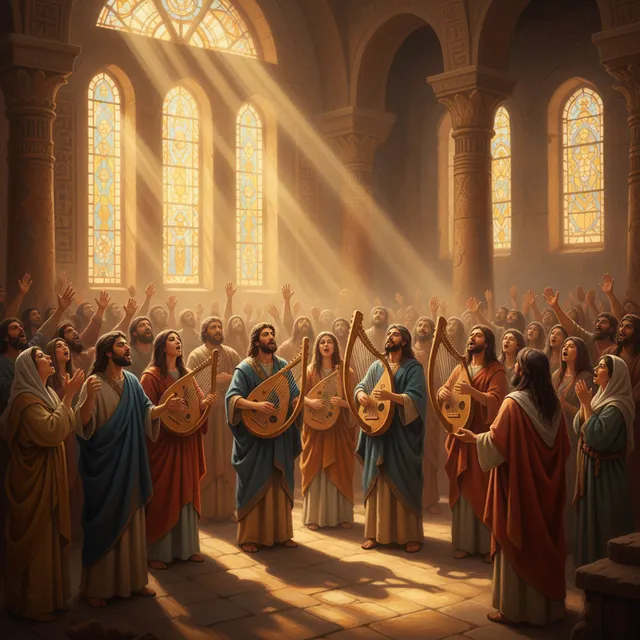
Temple Worship
The Psalms were sung in Israel's temple worship with musical instruments.
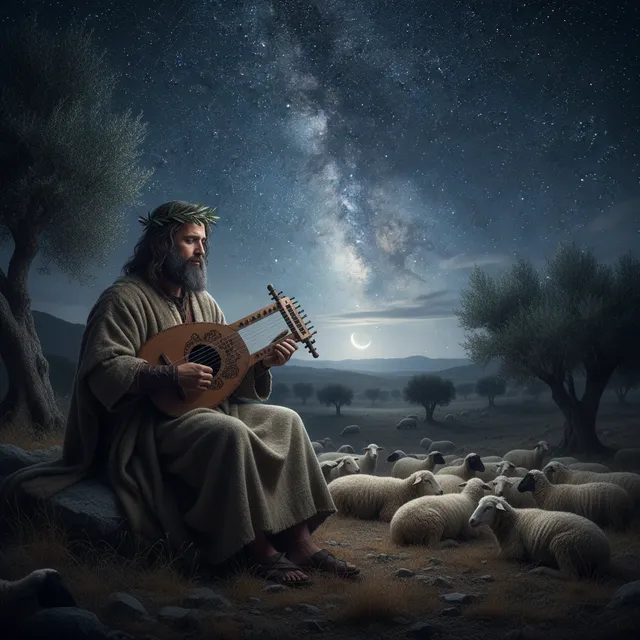
David the Psalmist
King David wrote approximately half of the Psalms from his experiences with God.

Praying the Psalms
Use the Psalms as a guide for your personal prayer and devotional time.

The Good Shepherd
Psalm 23 paints the beloved picture of God as our caring Shepherd.

Group Bible Study
Study the Psalms together and share insights with your community.
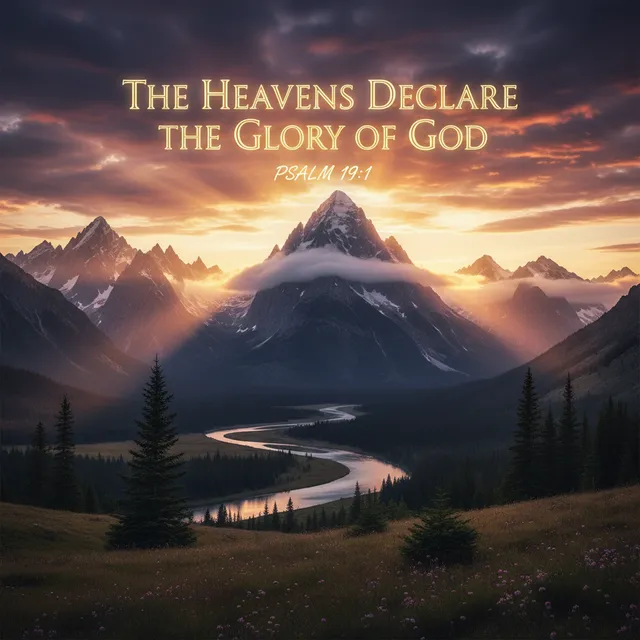
Creation Praise
The heavens declare God's glory - Psalms celebrate creation's testimony.
Testimonials from Psalms Students
How studying the Psalms has impacted believers' lives
"Reading Psalms each morning with Bible Way has transformed my prayer life. I now have words for emotions I couldn't express before. The Psalms teach me how to bring my whole self to God."
"Bible Way's Psalms study combines scholarly depth with devotional warmth. The historical context enriches understanding while keeping the focus on worship and application. Highly recommend."
"During my darkest season, the Psalms of lament gave me permission to grieve honestly before God. Bible Way helped me understand that faith includes tears, questions, and wrestling with God."
Psalms Study Resources
Tools to deepen your Psalms study experience
Types of Psalms Guide
Learn the different categories: praise, lament, thanksgiving, royal, wisdom, and imprecatory psalms.
Hebrew Poetry Explained
Understand parallelism, imagery, and poetic structures that make Psalms so powerful.
Psalms for Every Emotion
Index of Psalms organized by emotional state: joy, fear, anger, gratitude, loneliness, hope.
Messianic Psalms Map
Explore Psalms that prophesy about Jesus and their New Testament fulfillment.
Psalm 119 Deep Dive
Comprehensive study of the longest chapter in the Bible celebrating God's Word.
Discussion Questions
Reflection questions for personal journaling or group Bible study sessions.
Join the Psalms Study Community
Where praise meets prayer in daily devotion
What You'll Discover
- Daily Psalm readings with reflection questions
- Hebrew word studies and poetry explanations
- Historical context for each Psalm's background
- Practical application for prayer and worship
"The Psalms have become my daily conversation with God. Bible Way helped me understand not just what the psalmists said, but how to make their prayers my own."
Jennifer L.
Morning devotional for 2 years
Frequently Asked Questions About Psalms
Clear answers to common questions about studying the Book of Psalms
What is the Book of Psalms and why is it important?
The Book of Psalms is a collection of 150 sacred poems and songs that form the heart of Old Testament worship and devotion. Written over approximately 1,000 years by various authors including King David (who wrote about 73 psalms), Solomon, Moses, Asaph, and the Sons of Korah, the Psalms address every human emotion and experience before God. They're important because they teach us how to pray authentically, worship genuinely, and relate to God in all circumstances. The Psalms are the most quoted Old Testament book in the New Testament, with Jesus Himself praying, quoting, and fulfilling them. They provide a divinely-inspired vocabulary for speaking to God and have been central to Jewish and Christian worship for over three millennia.
How should I study the Psalms effectively?
To study the Psalms effectively, start by reading a Psalm multiple times, noting its structure, key words, and emotional flow. Identify the type of psalm (praise, lament, thanksgiving, wisdom, royal, or imprecatory) as this shapes interpretation. Look for the historical context in the superscription (title) that often identifies the author and occasion. Pay attention to Hebrew parallelism where the second line often restates, contrasts, or develops the first line's thought. Note imagery and metaphors drawn from ancient Near Eastern culture. Cross-reference with other Scripture passages the psalm alludes to or that quote it. Apply the psalm devotionally by praying it back to God, inserting your own circumstances. Consider memorizing key psalms that resonate with your current season of life.
What are the different types of Psalms?
Scholars identify several major categories of Psalms based on their content and purpose. Praise psalms (hymns) celebrate God's character and mighty works (Psalms 8, 19, 100, 145-150). Lament psalms express grief, suffering, or complaint while ultimately affirming trust (Psalms 3, 13, 22, 42-43, 88). Thanksgiving psalms respond to answered prayer with gratitude (Psalms 18, 30, 32, 34, 116). Royal/Messianic psalms focus on Israel's king and prophesy about Christ (Psalms 2, 45, 72, 110). Wisdom psalms teach godly living principles (Psalms 1, 37, 73, 119). Imprecatory psalms call for judgment on the wicked (Psalms 35, 69, 109, 137). Pilgrimage psalms (Songs of Ascent, 120-134) were sung by worshipers traveling to Jerusalem. Understanding these categories helps you find appropriate psalms for different life circumstances.
Who wrote the Psalms and when?
The Psalms were written by multiple authors over approximately 1,000 years. King David wrote about 73 psalms, earning him the title "sweet psalmist of Israel" (2 Samuel 23:1). Solomon contributed at least two psalms (72, 127). Moses wrote Psalm 90, making it potentially the oldest psalm. Asaph, a Levitical worship leader under David, wrote 12 psalms (50, 73-83). The Sons of Korah, a guild of temple musicians, authored 11 psalms (42-49, 84-85, 87-88). Other named authors include Heman (88) and Ethan (89). About 50 psalms have no identified author. The collection was compiled over centuries, with the final form likely completed during or after the Babylonian exile (6th-5th century BC). The varying historical contexts - from wilderness wandering to united kingdom to exile - enrich the Psalms' universal application.
What are Messianic Psalms and how do they point to Jesus?
Messianic Psalms contain prophecies about the coming Messiah that find their fulfillment in Jesus Christ. Psalm 2 declares God's Son as King who will rule the nations - quoted at Jesus' baptism and in Acts regarding His resurrection. Psalm 16:10 prophesies resurrection ("You will not abandon my soul to Sheol") - quoted by Peter at Pentecost. Psalm 22 remarkably describes crucifixion details ("they pierce my hands and feet," "they cast lots for my garments") centuries before crucifixion was invented - Jesus quoted verse 1 from the cross. Psalm 45 celebrates the divine King's wedding, applied to Christ in Hebrews 1. Psalm 69 describes unjust suffering and zeal for God's house - Jesus quotes it when cleansing the temple. Psalm 110 declares the priestly King at God's right hand - the most quoted psalm in the New Testament. Psalm 118:22 about the rejected stone becoming cornerstone - applied to Jesus multiple times. These prophecies powerfully confirm Jesus as the promised Messiah.
How can I use the Psalms in my prayer life?
The Psalms are the Bible's prayer book, providing templates for every type of prayer. For praise, use Psalms 145-150 to worship God's character and works. For confession, pray Psalm 51 (David's repentance after his sin with Bathsheba) or Psalm 32 (joy of forgiveness). For petition, follow patterns in lament psalms that bring needs to God honestly. For thanksgiving, adapt Psalms 30, 34, or 116 to express gratitude for specific blessings. For protection, pray Psalm 91 or 121. For guidance, meditate on Psalm 25 or 119. Pray the psalms by reading them aloud, inserting your name and circumstances, pausing to reflect on phrases that resonate. Many believers read five psalms daily (corresponding to the date multiplied by the five books), covering the entire Psalter monthly. This practice transforms your prayer vocabulary and aligns your heart with Scripture.
What makes Psalm 23 so beloved?
Psalm 23 is beloved because it beautifully expresses trust in God's personal care using the shepherd metaphor familiar to David's culture. The psalm moves from provision ("green pastures," "still waters," "restores my soul") through protection ("valley of the shadow of death," "Your rod and staff comfort me") to abundance ("You prepare a table," "my cup overflows") and eternal hope ("dwell in the house of the LORD forever"). The intimate pronouns ("my shepherd," "He leads me," "You are with me") create personal connection. The shift from "He" (verses 1-3) to "You" (verses 4-6) represents moving from talking about God to talking with God - the relationship deepens through trials. Jesus identified Himself as the Good Shepherd (John 10), connecting this psalm to His sacrificial love. For comfort in suffering, assurance in uncertainty, or expression of contentment, Psalm 23 has ministered to countless believers facing every circumstance.
How do I understand the imprecatory (cursing) Psalms?
Imprecatory psalms (like 35, 69, 109, 137) call for God's judgment on enemies and can trouble modern readers. Several principles help interpretation: First, they express raw emotion to God rather than taking personal vengeance - David consistently refused to harm Saul despite having opportunity. Second, they cry for justice in a world of genuine evil and oppression against God's people. Third, they leave vengeance to God's timing and methods ("Vengeance is mine," says the Lord). Fourth, they're prayed by covenant representatives against covenant enemies opposing God's purposes. Fifth, the New Testament quotes these psalms regarding Judas and Christ's enemies (Acts 1:20), showing continued relevance. For application: pray these psalms against spiritual forces of evil (Ephesians 6:12), express honest anger to God rather than suppressing it or acting on it, trust God's ultimate justice, and recognize that Christ took our deserved curse on Himself (Galatians 3:13).
What is Hebrew parallelism and why does it matter?
Hebrew parallelism is the primary poetic device in the Psalms where lines relate to each other in specific ways. Synonymous parallelism restates the same idea in different words: "The LORD is my rock, my fortress" (Psalm 18:2). Antithetic parallelism contrasts opposite ideas: "The LORD knows the way of the righteous, but the way of the wicked will perish" (Psalm 1:6). Synthetic parallelism builds or develops the thought: "I will lift up my eyes to the hills - where does my help come from? My help comes from the LORD" (Psalm 121:1-2). Climactic parallelism repeats elements while adding new information. Understanding parallelism matters because the second line often clarifies or deepens the first line's meaning. It aids memorization through rhythm and repetition. It shows what the author emphasized by how ideas are related. It helps avoid misinterpretation by considering lines together rather than in isolation. This literary device makes the Psalms both beautiful poetry and profound theology.
Why is Psalm 119 so long and what is its purpose?
Psalm 119 is the longest chapter in the Bible (176 verses) and the most elaborate acrostic poem in Scripture. It's structured around the 22 letters of the Hebrew alphabet, with each section containing 8 verses all beginning with the same Hebrew letter. This structure emphasizes comprehensiveness - the psalmist expresses devotion to God's Word from A to Z. The psalm celebrates God's Word using eight key synonyms: law (torah), testimonies, precepts, statutes, commandments, rules, word, and promise. Each section explores how Scripture guides, comforts, sustains, and transforms the believer. Rather than reading it all at once, consider studying one section (8 verses) daily, meditating on each synonym's nuance. The psalm is particularly valuable during trials, as the author experiences persecution yet finds strength in God's promises. For anyone wanting to cultivate love for Scripture, Psalm 119 provides vocabulary, motivation, and method for delighting in God's Word.
How do the Psalms fit into the rest of Scripture?
The Psalms occupy a central position in Scripture, connecting Old and New Testaments thematically and prophetically. They draw heavily from the Torah, particularly Exodus themes of redemption and Deuteronomy's covenant blessings and curses. Historical psalms (78, 105, 106, 136) retell Israel's story from creation through conquest. Wisdom psalms (1, 37, 73, 119) parallel Proverbs in teaching godly living. Messianic psalms prophesy about Christ with remarkable specificity fulfilled in the Gospels. The New Testament quotes the Psalms over 100 times, more than any other Old Testament book. Jesus prayed psalms, taught from them, and fulfilled their prophecies. Early Christians used psalms in worship (Ephesians 5:19, Colossians 3:16) and theological argument (Acts 2, Romans 3, Hebrews 1-2). The Psalms thus provide the emotional and devotional vocabulary connecting the Bible's doctrinal and historical content to lived experience of faith.
Which Psalms are best for specific life situations?
The Psalms address every life situation. For anxiety and fear: Psalms 23, 27, 46, 91, 121. For depression and despair: Psalms 42-43, 77, 88, 130. For confession and repentance: Psalms 32, 51, 130. For gratitude and thanksgiving: Psalms 30, 34, 100, 103, 116, 136. For morning devotion: Psalms 5, 63, 143. For evening prayer: Psalms 4, 134, 141. For worship and praise: Psalms 8, 19, 95, 100, 145-150. For guidance and wisdom: Psalms 1, 25, 37, 119. For protection and deliverance: Psalms 3, 18, 91, 121, 124. For God's sovereignty: Psalms 47, 93, 95-99. For marriage and family: Psalms 127, 128. For grief and loss: Psalms 22, 23, 116, 130. For justice and vindication: Psalms 7, 35, 58, 94. Bible Way provides a comprehensive index matching psalms to specific needs and emotions for quick reference.
Helpful External Resources
Trusted resources for deeper Psalms study
Bible Gateway
Encyclopedia article on the Book of Psalms with scholarly insights
biblegateway.comBible Project
Visual overview videos explaining Psalms structure and themes
bibleproject.comGotQuestions.org
Answers to common questions about Psalms interpretation
gotquestions.orgBible Hub
Multiple commentaries and original language tools for each Psalm
biblehub.comChristianity Today
Articles and devotional content on Psalms application
christianitytoday.comDesiring God
Sermons and articles on praying and preaching the Psalms
desiringgod.orgBlue Letter Bible
David Guzik's comprehensive Psalms commentary
blueletterbible.orgESV Study Bible
Scholarly introduction to the Book of Psalms
esv.orgRelated Bible Studies
Prayer Study
Deepen your prayer life
Worship Study
Biblical worship principles
Proverbs Study
Wisdom for daily living
Revelation Study
End times prophecy
Explore More Bible Studies
Ready to Discover the Psalms?
The Psalms have transformed prayer lives for thousands of years. Let Bible Way guide you through all 150 chapters of praise, lament, thanksgiving, and trust. Whether you're experiencing mountain-top joy or valley-deep sorrow, the Psalms give voice to your soul and draw you closer to the God who hears every cry. Download today and begin your journey through the heart of Scripture.