
Diverse Small Groups
Multiethnic communities studying Scripture together and building genuine relationships.
God's heart has always been for people from every tribe, tongue, and nation to worship Him together. A Bible study on racial reconciliation reveals that Christ died not only to reconcile us to God but to reconcile us to one another, breaking down the dividing walls of hostility. From Abraham's call to bless all nations to Revelation's vision of the multiethnic throng before the throne, Scripture presents a powerful vision for racial unity. Whether you're seeking to understand biblical teaching on race, working toward healing in your community, or building a diverse church, our comprehensive Bible study resources will equip you with theological grounding and practical wisdom for the ministry of reconciliation.
All humans are made in God's image - a theological foundation that demands dignity for every person regardless of ethnicity (Genesis 1:26-27)
Christ destroyed the dividing wall of hostility, creating "one new humanity" from two - reconciliation is central to the gospel (Ephesians 2:14-16)
In Christ there is no Jew or Gentile, slave or free, male or female - we are all one in Christ Jesus (Galatians 3:28)
God has given us the ministry of reconciliation - we are ambassadors calling the world to be reconciled (2 Corinthians 5:18-20)
The early church faced and addressed ethnic tensions - Acts and the Epistles provide models for navigating diversity with integrity
God's plan culminates in a multiethnic throng from every nation worshiping together - racial unity is our eternal destiny (Revelation 7:9)
Understanding reconciliation biblically transforms how you see God's purposes, the church's calling, and your role in healing division. Explore our comprehensive features designed to help you pursue unity as an act of worship and witness.
Study God's plan from Genesis to Revelation - that people from every tribe, tongue, and nation would worship Him together as one redeemed family.
Discover how Jesus broke down the dividing wall of hostility, creating one new humanity and giving us the ministry of reconciliation.
Learn from the book of Acts how the early church navigated ethnic diversity, from the Jerusalem council to Paul's multiethnic churches.
Explore biblical practices of lament, confession, and repentance that create space for healing historical and present wounds.
Understand practical biblical principles for creating communities where racial reconciliation moves from theology to lived reality.
Find hope in Revelation's vision of the great multitude from every nation standing before the throne, worshiping as one.
See how believers are being transformed by studying racial reconciliation and living it out
Multiethnic communities studying Scripture together and building genuine relationships.
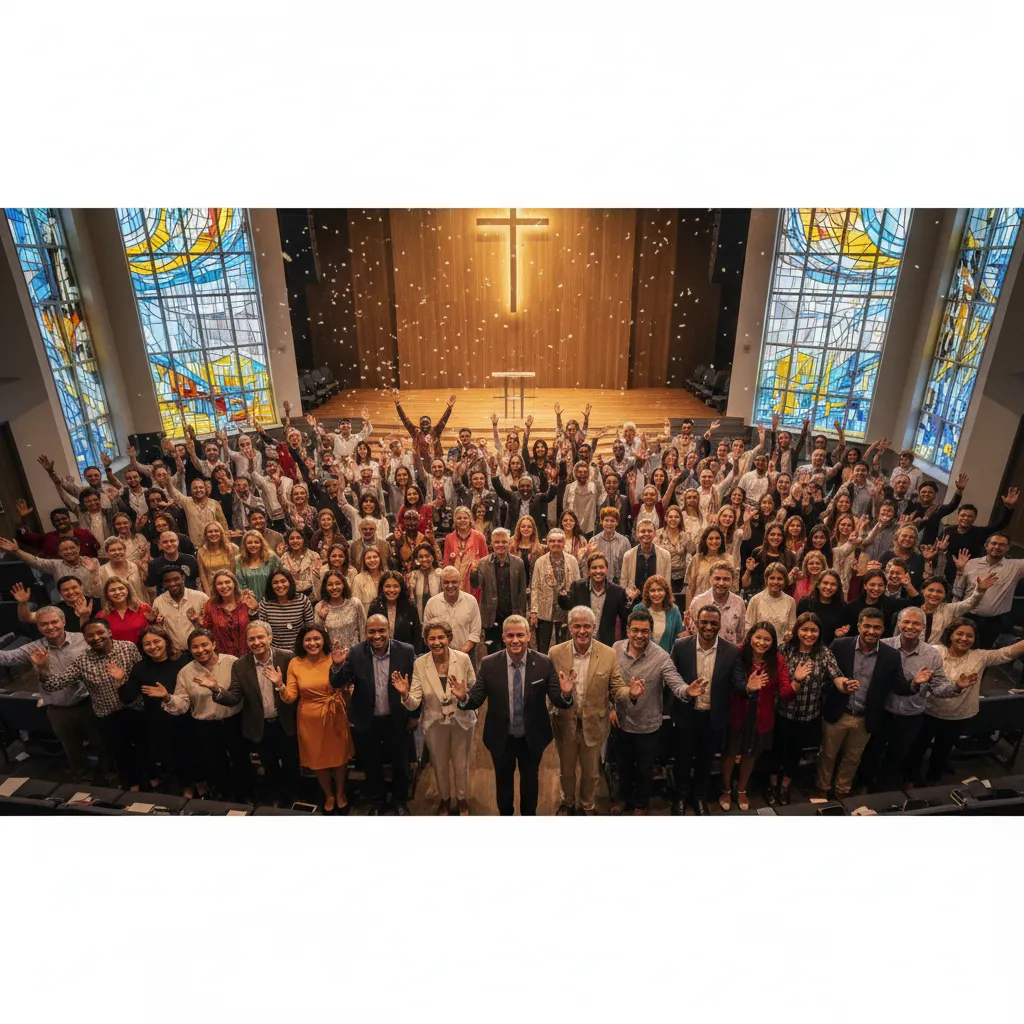
Churches becoming pictures of Revelation 7:9 - every tribe and tongue worshiping together.

Brothers and sisters having difficult but healing conversations about race.
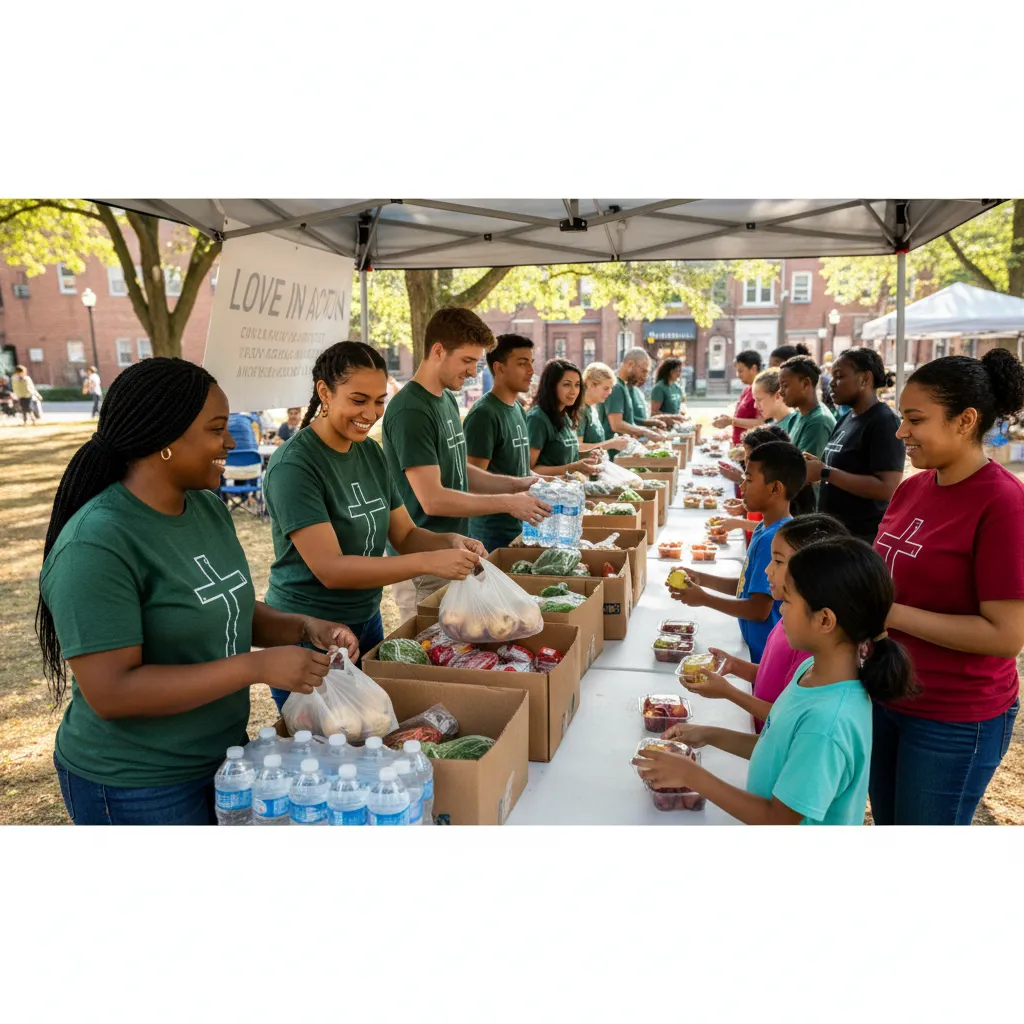
Diverse believers serving their communities side by side as one body.
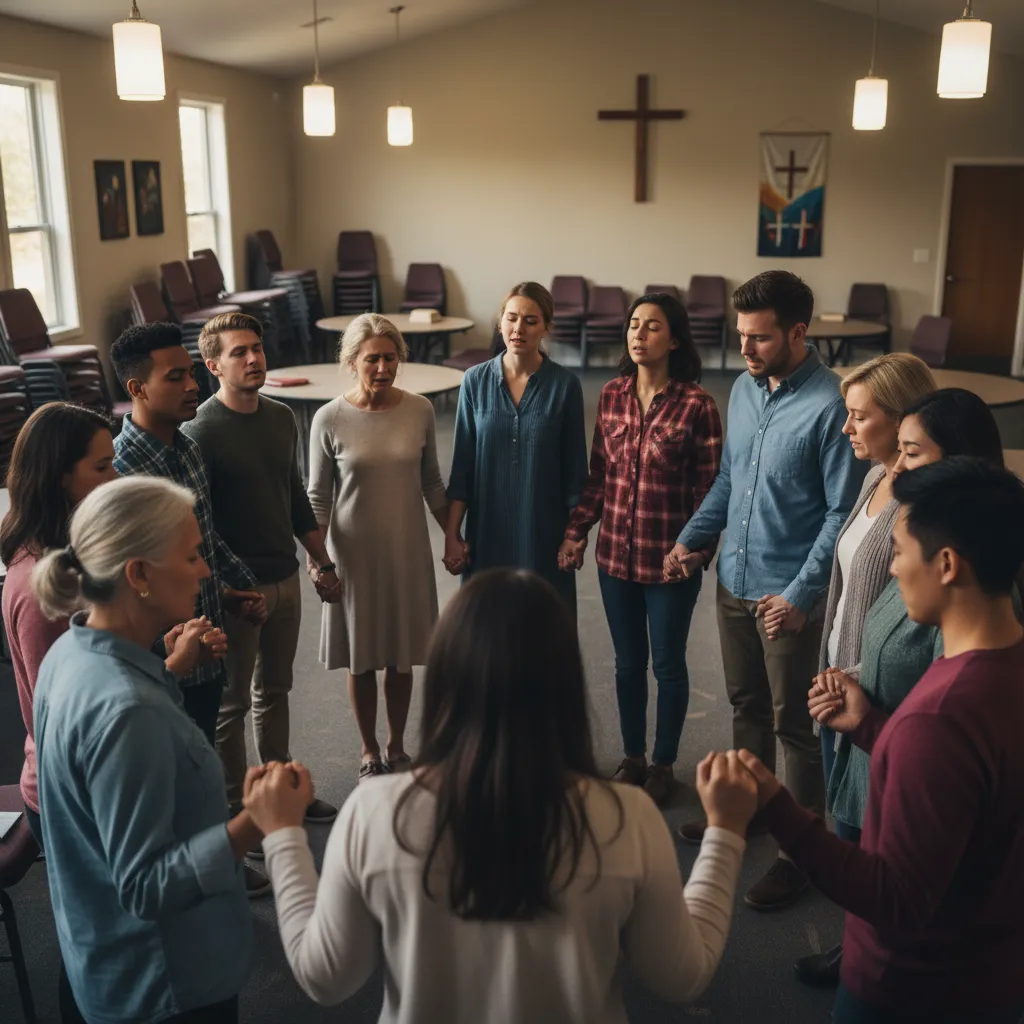
United prayer for healing, justice, and reconciliation across racial lines.

Churches reflecting diversity at every level, from pews to pulpit to boardroom.
Comprehensive biblical studies covering every aspect of reconciliation. Pair with our love Bible study to understand how love and reconciliation work together.
Understanding God's multiethnic purpose from creation
How Jesus creates unity across division
Learning from Acts and the Epistles
Moving from theology to lived community
Real testimonials from believers transformed by studying reconciliation in Scripture
"Our church struggled to move beyond surface-level diversity. This Bible study on racial reconciliation gave us theological depth and practical tools. Studying Ephesians 2 together helped us understand that unity isn't optional - it's what Christ died to create. Our congregation is finally having honest conversations."
"I work with students from diverse backgrounds who have real questions about race and faith. Bible Way's reconciliation study equipped me to facilitate difficult conversations with Scripture at the center. Students are discovering that the gospel speaks powerfully to racial division."
"As an interracial couple, we've experienced both the beauty and challenges of bridging cultures. This study helped us see our marriage as a picture of the gospel - Christ uniting what division had separated. It also gave us language to discuss race with our families and community."
Everything you need to understand and pursue racial reconciliation biblically. Access alongside our online Bible study platform.
Comprehensive study of how Christ destroyed the dividing wall and created one new humanity from two.
Complete collection of Bible verses about racial and ethnic unity organized by theme.
Study guide exploring how Acts and the Epistles addressed ethnic tensions and celebrated diversity.
Biblical prayers and practices for processing grief, confessing sin, and pursuing healing.
Practical resources for building diverse, reconciled communities in your church and neighborhood.
Facilitation guide for leading productive conversations about race in Christian settings.
The Bible study on racial reconciliation reveals that God's plan has always been multiethnic. From the beginning, when God created all humans in His image (Genesis 1:26-27), through His promise to Abraham that all nations would be blessed through him (Genesis 12:3), to the prophets' vision of all peoples streaming to God's house (Isaiah 2:2-3), Scripture consistently points toward a reconciled humanity. This isn't a modern add-on to the gospel but is woven into God's redemptive purpose from start to finish. Understanding this transforms how we see both the urgency of reconciliation and the resources God provides to accomplish it. Explore this further in our justice Bible study which examines God's heart for all who are marginalized.
Christ's work on the cross accomplished not only vertical reconciliation between God and humanity but horizontal reconciliation between divided peoples. Ephesians 2:14-16 declares that Christ "has made the two groups one and has destroyed the barrier, the dividing wall of hostility... His purpose was to create in himself one new humanity out of the two, thus making peace." This passage, addressing the Jew-Gentile divide - the deepest ethnic tension of the ancient world - demonstrates that reconciliation across ethnic lines is central to the gospel, not peripheral. When churches fail to pursue racial reconciliation, they fail to display the full victory of the cross. Connect this with our Ephesians Bible study for deeper exploration of Christ's unifying work.
Whether you're seeking to heal racial wounds, build diverse community, or understand God's heart for all peoples, join believers worldwide pursuing biblical reconciliation. Perfect for church leaders, young adults, and multiethnic ministries.
"I've been a Christian for 30 years but never understood why racial reconciliation mattered biblically until this study. Seeing Ephesians 2 in context transformed my understanding. Now I see that pursuing unity isn't political - it's displaying the gospel. My whole perspective has changed."
Robert M.
Elder, Suburban Church, Dallas
Common questions about racial reconciliation in Scripture
The Bible establishes that all humans are made in God's image (Genesis 1:26-27) and descended from one man (Acts 17:26), giving all people fundamental dignity and equality. While Scripture acknowledges ethnic and cultural diversity - Jews, Gentiles, various nations - it consistently points toward a vision of unity in God's redemptive plan. God promised Abraham that all nations would be blessed through his descendants (Genesis 12:3). The prophets envisioned all peoples streaming to God's house (Isaiah 2:2-3). Jesus commissioned disciples to make disciples of all nations (Matthew 28:19). The early church wrestled with including Gentiles as full members of God's people (Acts 10-11, 15). Paul declared that in Christ "there is neither Jew nor Gentile" (Galatians 3:28). Revelation's vision culminates in a multitude "from every nation, tribe, people and language" worshiping together (Revelation 7:9). The Bible's perspective is that ethnic diversity is God's creation and that the divisions and hostilities between groups are results of sin that Christ came to heal.
Ephesians 2:14-16 declares that Christ "himself is our peace, who has made the two groups one and has destroyed the barrier, the dividing wall of hostility... His purpose was to create in himself one new humanity out of the two, thus making peace, and in one body to reconcile both of them to God through the cross." While Paul specifically addressed the Jew-Gentile divide - the defining ethnic tension of his era - the principles apply to all ethnic divisions. First, Christ's death accomplished reconciliation - it's not merely something we should pursue but something already achieved that we're called to display. Second, the dividing wall of hostility is destroyed - ethnic prejudice and division are inconsistent with the gospel's reality. Third, Christ created "one new humanity" - reconciliation doesn't mean one group assimilating to another but a new, unified identity in Christ that transcends ethnic identities while not erasing them. Fourth, this happened "through the cross" - racial reconciliation is a gospel issue, central to Christ's redeeming work. Churches that remain ethnically divided fail to display this core gospel reality.
The early church provides both cautionary tales and positive examples of navigating ethnic diversity. In Acts 6:1-7, Greek-speaking Jewish believers complained that their widows were being overlooked in food distribution compared to Hebrew-speaking widows. Rather than dismissing the complaint, the apostles addressed it directly by appointing seven leaders (all with Greek names) to ensure fair distribution. Acts 10-11 records Peter's vision and visit to Cornelius that led to Gentile inclusion, which required significant theological processing. Acts 15's Jerusalem Council wrestled with what to require of Gentile believers, ultimately deciding not to burden them with Jewish customs beyond basic moral requirements. Galatians 2:11-14 shows Paul publicly confronting Peter for withdrawing from Gentile fellowship under pressure from Jewish Christians - demonstrating that even apostles could compromise reconciliation when socially expedient. These examples show the early church didn't avoid ethnic tensions but addressed them directly, sometimes stumbling but ultimately maintaining unity in the gospel.
Church segregation results from multiple factors including historical patterns, residential segregation, cultural comfort, differing worship styles, and genuine preference for worshiping with people who share one's cultural background. While some of these factors are neutral, we must honestly acknowledge that racism - both historical and ongoing - has shaped church patterns. Martin Luther King Jr. famously noted that 11 a.m. Sunday is America's most segregated hour. Understanding this requires historical honesty about how churches supported or acquiesced to racial injustice. Moving forward requires both repentance for past failures and intentional effort to build diverse communities. This doesn't mean every church must be multiethnic - demographic realities vary, and ethnicity-specific churches can serve valuable purposes. But when segregation results from racism, indifference to reconciliation, or unwillingness to adapt, it contradicts the gospel's vision. Churches should prayerfully consider whether their homogeneity reflects neutral factors or sinful patterns - and be willing to change if God calls them toward greater diversity.
Racial reconciliation and social justice are related but distinct concepts. Reconciliation focuses on restored relationships - bringing together what division has separated. Social justice addresses systemic fairness and seeks to correct inequities. Biblical reconciliation includes both relational healing and addressing injustice. The prophets connected worship of God with treatment of the vulnerable (Amos 5:21-24). Jesus came proclaiming good news to the poor and freedom for the oppressed (Luke 4:18-19). James warns against showing favoritism based on wealth or status (James 2:1-9). Genuine reconciliation addresses both personal relationships and structural realities. You cannot truly reconcile with someone while benefiting from systems that harm them or ignoring patterns that disadvantage them. At the same time, pursuing justice without reconciliation can become cold, adversarial, or ideological rather than gospel-centered. The gospel provides resources for both - transforming hearts while calling for transformed systems. Christians may disagree on specific policy applications while agreeing that both relationship and justice matter to God.
Lament and confession are essential biblical practices for pursuing reconciliation. Lament - expressing grief, sorrow, and complaint to God - appears throughout Scripture, with over one-third of Psalms being laments. Lament creates space to acknowledge pain, name what's wrong, and cry out to God. In racial reconciliation, lament allows affected communities to express generational grief while inviting others to share that grief. Romans 12:15's call to "mourn with those who mourn" means entering into others' pain rather than dismissing or minimizing it. Confession acknowledges specific wrongs - both personal and corporate. Nehemiah 1:5-7 models confessing the sins of "we" and "our fathers." Daniel 9 shows similar corporate confession. This doesn't mean confessing sins you didn't personally commit but acknowledging how you benefit from or participate in systems shaped by past wrongs, and expressing solidarity with your community's failures. These practices aren't dwelling on the past but necessary steps toward honest relationship. Attempting reconciliation while skipping lament and confession produces shallow unity that doesn't address real wounds.
Galatians 3:28 declares: "There is neither Jew nor Gentile, neither slave nor free, neither male nor female, for you are all one in Christ Jesus." This powerful verse requires careful interpretation. Paul is not saying ethnic, social, or gender distinctions cease to exist - he continues to address specific groups (Jews, Gentiles, slaves, masters, men, women) throughout his letters. Rather, he's saying these distinctions don't determine access to God or status within God's family. In Christ, all have equal standing before God and equal membership in His people. This was revolutionary - Jewish males thanked God daily for not being Gentiles, slaves, or women. Paul declares these categories irrelevant for belonging to Christ. The implications are profound. No ethnic group has special privilege in God's kingdom. No social status earns favor with God. No gender is closer to God than another. This doesn't erase differences but relativizes them - our primary identity is "in Christ," transcending other identities while not eliminating them. Churches must treat all members with equal dignity, access, and opportunity, regardless of ethnicity, class, or gender.
Pursuing reconciliation requires intentional, sustained effort at multiple levels. First, educate your congregation about Scripture's teaching on reconciliation and your community's racial history. Many Christians haven't studied this topic biblically or historically. Second, examine your church's practices, leadership, music, communication, and decision-making for implicit biases or barriers. Who is represented in leadership? Whose voices are heard? Third, build genuine cross-racial relationships - not projects or outreach but mutual friendships with people from different backgrounds. Reconciliation happens through relationship, not programs alone. Fourth, create safe spaces for honest conversation. Many Christians have never discussed race in church settings. Fifth, partner with churches from different backgrounds for joint worship, service, and learning. Sixth, address justice issues affecting your community that disproportionately impact certain groups. Seventh, diversify leadership intentionally while avoiding tokenism. Eighth, be patient and persistent - reconciliation is a long-term process, not a quick fix. Expect discomfort, misunderstandings, and setbacks. Ninth, anchor everything in prayer - this is ultimately spiritual work requiring God's power.
Revelation 7:9-10 presents a breathtaking vision: "After this I looked, and there before me was a great multitude that no one could count, from every nation, tribe, people and language, standing before the throne and before the Lamb... And they cried out in a loud voice: 'Salvation belongs to our God.'" This vision informs racial reconciliation in several ways. First, it reveals God's ultimate purpose - ethnic diversity isn't erased in eternity but celebrated. Heaven isn't homogeneous but gloriously diverse. Second, this unified worship is our destiny - what we pursue now in reconciliation is practicing for eternity. Third, the vision shows unity without uniformity - distinct nations and tongues remain but worship together. Fourth, all are equally before the throne - no ethnic hierarchy exists in God's presence. Fifth, this vision judges our present reality - wherever our churches differ from this picture, we fall short of God's design. Sixth, it provides hope - however difficult reconciliation feels now, we know how the story ends. We're not building something from scratch but anticipating what God will accomplish. This eschatological vision should drive present pursuit of reconciled community.
Conversations about race can indeed feel divisive, but several principles help navigate them productively. First, ground discussions in Scripture rather than political talking points. Starting with the Bible establishes common authority and shifts away from partisan frameworks. Second, prioritize listening over debating. James 1:19 says "be quick to listen, slow to speak." Seek to understand perspectives different from your own before responding. Third, build relationships before having hard conversations. Trust developed through genuine friendship creates safety for difficult topics. Fourth, acknowledge complexity - racial issues rarely have simple solutions, and Christians of goodwill can disagree on applications. Fifth, distinguish between gospel essentials and prudential judgments. The call to pursue reconciliation is biblical; specific policies are matters of wisdom where Christians may differ. Sixth, practice humility - all of us have blind spots shaped by our background and experience. Be open to learning. Seventh, focus on your own church and community rather than national debates. What does reconciliation look like in your specific context? Eighth, persevere through discomfort. Growth rarely feels comfortable. Ninth, remember the goal is not winning arguments but building beloved community.
The "colorblind" ideal - treating everyone the same regardless of race - contains a worthy impulse (valuing all equally) but proves problematic in application. First, it contradicts Scripture's celebration of ethnic diversity. Revelation 7:9 depicts every nation, tribe, people, and language worshiping together - distinctions preserved, not erased. God apparently values ethnic diversity enough to maintain it in eternity. Second, colorblindness often means blindness to ongoing realities that affect different groups differently. If some face barriers or challenges that others don't, treating everyone "the same" ignores those differences rather than addressing them. Third, it can dismiss the cultures, histories, and experiences that shape people. Our ethnic background informs how we see the world - pretending it doesn't exist ignores part of who God made us. Fourth, it short-circuits necessary conversations. If we can't see race, we can't discuss racial dynamics, address racial wounds, or celebrate racial diversity. A better approach: see ethnicity, celebrate it as part of God's creative purpose, address inequities honestly, and find unity in Christ that transcends but doesn't erase our backgrounds.
Racial reconciliation is not separate from the gospel but flows directly from it. The gospel announces that through Christ's death and resurrection, God reconciled sinful humanity to Himself and gave us the ministry of reconciliation (2 Corinthians 5:18-21). But the gospel's reconciling work includes horizontal as well as vertical dimensions. Ephesians 2:14-16 explicitly states that Christ died to create "one new humanity" from Jew and Gentile and to "reconcile both of them to God through the cross." Racial reconciliation isn't a social add-on to an otherwise spiritual gospel but is woven into what Christ accomplished. Displaying reconciled community is a gospel witness. John 17:21 records Jesus praying that believers would be unified "so that the world may believe." When Christians from different backgrounds worship, serve, and love each other, it demonstrates the gospel's power to overcome humanity's deepest divisions. Conversely, ongoing racial division in churches undermines our gospel proclamation. If the cross can't reconcile different ethnic groups, why believe it can reconcile us to God? Pursuing reconciliation isn't a distraction from gospel work - it is gospel work.
Additional external resources to deepen your study of biblical reconciliation
Comprehensive collection of reconciliation verses across Bible translations
biblegateway.com →Biblical answers to common questions about racial reconciliation
gotquestions.org →Articles and teaching on race and ethnicity from evangelical scholars
thegospelcoalition.org →Topical study resources and cross-references on reconciliation
biblehub.com →God's dream for humanity has always been unity across diversity - people from every tribe, tongue, and nation worshiping Him together. A Bible study on racial reconciliation equips you with theological understanding of why reconciliation matters, biblical framework for pursuing it, and practical tools for building beloved community. Whether you're a pastor seeking to lead your church toward greater diversity, a member wanting to understand God's heart for all peoples, or simply a Christian wondering how to navigate conversations about race, our resources will transform how you understand and pursue God's reconciling purposes. Join women, men, and young adults around the world discovering what it means to be ambassadors of reconciliation. Download Bible Way today and begin your journey toward unity in Christ.