Key Takeaways
Justice is rooted in God's very nature - righteousness and justice are the foundation of His throne (Psalm 89:14)
God has special concern for the vulnerable - widows, orphans, foreigners, and the poor receive His particular protection (Deuteronomy 10:17-18)
Doing justice is not optional but essential to following God - He has told us what is required: do justice, love mercy, walk humbly (Micah 6:8)
Jesus came proclaiming good news to the poor and freedom for the oppressed - justice was central to His mission (Luke 4:18-19)
Religious practice without justice is rejected by God - the prophets condemned worship that coexisted with oppression (Amos 5:21-24)
God's ultimate justice is coming - a day when every wrong will be made right and His righteous kingdom will be established forever (Revelation 21:1-4)
Why Study Justice Through Scripture
Understanding justice biblically transforms how you see God, others, and your calling in the world. Explore our comprehensive features designed to help you pursue justice as an act of worship and obedience.
Understanding God's Justice
Study the biblical foundation of justice - rooted in God's righteous character, His impartial judgment, and His deep concern for the vulnerable and oppressed.
Justice in the Law
Discover how God's laws in the Old Testament protected the poor, foreigners, widows, and orphans, revealing His heart for equitable treatment of all people.
Prophetic Justice
Learn from the prophets who thundered God's demand for justice, condemning oppression and calling Israel to care for the marginalized in society.
Jesus and Justice
Explore how Jesus proclaimed good news to the poor, released the oppressed, and modeled justice through His ministry, teaching, and ultimate sacrifice.
Doing Justice Today
Understand the practical call to do justice in our world - defending the vulnerable, speaking truth, and working for systems that reflect God's righteousness.
Eternal Justice
Discover the hope of God's coming kingdom where perfect justice will reign, every wrong will be made right, and righteousness will cover the earth.
Justice Study in Action
See how believers are being transformed by studying biblical justice and putting it into practice

Personal Justice Study
Individuals discovering God's heart for justice through Scripture meditation.

Justice in Service
Churches putting justice into action by serving their communities.

Biblical Advocacy
Believers speaking up for justice in their communities and systems.

Justice Study Groups
Communities learning together what Scripture says about justice.

Justice Mentoring
Discipling the next generation in biblical justice.
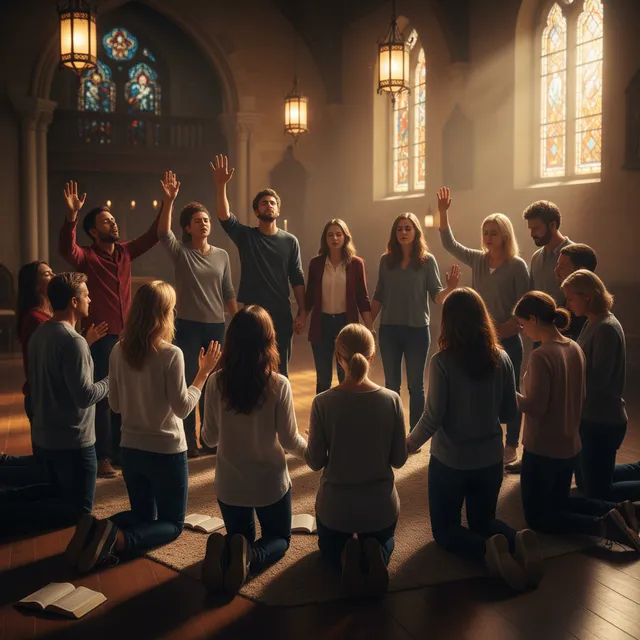
Praying for Justice
Believers interceding for God's justice to prevail.
Justice Study Topics
Comprehensive biblical studies covering every aspect of justice. Pair with our love Bible study to understand how justice and love work together.
The Character of a Just God
Understanding justice as rooted in who God is
- Deuteronomy 32:4 - The Rock, His Work is Perfect
- Psalm 89:14 - Righteousness and Justice as His Throne
- Isaiah 30:18 - The Lord is a God of Justice
- Psalm 146:7-9 - God Upholds the Cause of the Oppressed
- Genesis 18:25 - The Judge of All the Earth Does Right
- Psalm 33:5 - The Lord Loves Righteousness and Justice
Justice for the Vulnerable
God's special concern for the marginalized
- Deuteronomy 10:17-18 - God Defends the Fatherless
- Exodus 22:21-24 - Protection for Foreigners and Widows
- Proverbs 31:8-9 - Speak Up for Those Who Cannot Speak
- Jeremiah 22:3 - Rescue the Robbed from the Oppressor
- Zechariah 7:9-10 - Do Not Oppress the Vulnerable
- James 1:27 - Pure Religion Cares for Orphans and Widows
The Prophetic Call to Justice
Learning from the prophets' passion for justice
- Micah 6:8 - Do Justice, Love Mercy, Walk Humbly
- Isaiah 1:17 - Learn to Do Right, Seek Justice
- Amos 5:24 - Let Justice Roll Like a River
- Isaiah 58:6-7 - True Fasting That Loosens Chains
- Jeremiah 9:24 - God Delights in Justice
- Habakkuk 1:4 - The Law is Paralyzed and Justice Perverted
Jesus and Justice
Christ's ministry and message of justice
- Luke 4:18-19 - Good News to the Poor, Freedom for Prisoners
- Matthew 23:23 - The Weightier Matters: Justice, Mercy, Faith
- Matthew 12:18-21 - He Will Proclaim Justice to the Nations
- Luke 18:1-8 - The Parable of the Persistent Widow
- Luke 11:42 - You Neglect Justice and the Love of God
- Matthew 25:31-46 - The Sheep and the Goats
What Our Community Says
Real testimonials from believers transformed by studying justice in Scripture
"I was passionate about social justice but disconnected from my faith. Bible Way's justice study showed me that my passion for justice flows directly from God's heart. Now I see my advocacy work as worship, grounded in Scripture rather than ideology. Micah 6:8 became my life verse."
"As a public defender, I often felt burnt out fighting an unjust system. This Bible study renewed my vision by connecting my work to God's heart for justice. When I remember that the Lord loves justice, I find strength to continue defending those who can't defend themselves."
"Our congregation needed theological grounding for justice ministry. This study provided exactly that - teaching us that doing justice isn't optional but central to following Jesus. We've seen transformation as members now understand why we care for our neighborhood."
Justice Study Resources
Everything you need to understand and pursue biblical justice. Access alongside our online Bible study platform.
Micah 6:8 Deep Dive
Comprehensive study of the famous justice verse, exploring what it means to do justice, love mercy, and walk humbly with God.
Justice Scriptures Collection
Complete collection of Bible verses about justice organized by theme for study, memorization, and meditation.
Prophets and Justice Guide
Overview of how the Old Testament prophets addressed injustice and called God's people to righteous action.
Jesus the Justice Seeker
Study guide exploring how Jesus embodied and proclaimed justice throughout His earthly ministry.
Justice Action Toolkit
Practical resources for applying biblical justice principles in your community and daily life.
Justice Prayer Guide
Guided prayers for justice issues, interceding for the oppressed and those who work for justice.
Understanding Biblical Justice
The Bible study on justice reveals that justice is not merely a social issue but a theological one - it flows from the very character of God. Psalm 89:14 declares that "righteousness and justice are the foundation of your throne." God is not neutral about injustice; He actively opposes it. Throughout Scripture, we see God's passion for those who cannot defend themselves: the widow, the orphan, the foreigner, and the poor. Deuteronomy 10:17-18 reveals that the "great God, mighty and awesome" is the one who "defends the cause of the fatherless and the widow, and loves the foreigner residing among you." Understanding this transforms how we see justice work - it's not merely humanitarian effort but participation in God's own character and mission.
The prophets thundered God's demand for justice with urgency and passion. Amos declared, "Let justice roll on like a river, righteousness like a never-failing stream!" (5:24). Isaiah commanded, "Learn to do right; seek justice. Defend the oppressed. Take up the cause of the fatherless; plead the case of the widow" (1:17). Perhaps most famously, Micah summarized what God requires: "To act justly and to love mercy and to walk humbly with your God" (6:8). These weren't optional addendums to faith but central requirements. The prophets made clear that religious rituals without justice were rejected by God. Explore this further in our Amos Bible study and Isaiah Bible study.
Justice Study Benefits:
Start Your Justice Study Journey
Whether you're seeking to ground your advocacy in Scripture or discovering God's heart for justice for the first time, join believers worldwide pursuing biblical justice. Perfect for leadership groups, young adults, and social action ministries.
What You'll Learn
- The biblical foundation of God's justice
- How to defend the vulnerable biblically
- What the prophets taught about justice
- How to pursue justice in your community
"I grew up thinking faith was only about personal salvation. This justice study opened my eyes to see that God cares about the whole person and whole communities. Now I understand why defending the oppressed isn't political - it's biblical. My faith and my advocacy are finally integrated."
Jennifer R.
Non-profit Director, Denver
Frequently Asked Questions
Common questions about justice according to Scripture
What does the Bible say about justice?
The Bible has much to say about justice because justice flows from God's own character. Psalm 89:14 declares that "righteousness and justice are the foundation of your throne," establishing that justice isn't merely a policy preference but is rooted in who God is. Throughout Scripture, God reveals Himself as the defender of the vulnerable - widows, orphans, foreigners, and the poor receive His special attention. Deuteronomy 10:17-18 says that God "defends the cause of the fatherless and the widow, and loves the foreigner residing among you." The prophets made justice central to their message: Micah 6:8 summarizes what God requires as "to act justly and to love mercy and to walk humbly with your God." Amos 5:24 calls for justice to "roll on like a river." Jesus continued this emphasis, proclaiming in Luke 4:18-19 that He came to bring good news to the poor and freedom for the oppressed. The Bible consistently shows that genuine relationship with God produces pursuit of justice.
How does biblical justice differ from secular concepts of justice?
Biblical justice differs from secular concepts in several important ways. First, biblical justice is rooted in God's character, not human philosophy or shifting cultural consensus. It has an objective foundation in the Creator's design for human flourishing. Second, biblical justice is comprehensive - it addresses spiritual and material needs, individual and systemic issues, present wrongs and eternal accountability. Third, biblical justice emphasizes restoration, not just punishment. While God certainly punishes evil, His justice also aims to restore relationships, communities, and creation itself. Fourth, biblical justice is inseparable from mercy. Micah 6:8 links doing justice with loving mercy - they work together rather than standing in tension. Fifth, biblical justice has an eschatological dimension - ultimate justice awaits when Christ returns, which gives believers both hope and humility about what can be achieved now. Finally, biblical justice flows from worship. Pursuing justice isn't separate from loving God; it's an expression of it. Jeremiah 22:16 equates knowing God with defending the poor and needy.
Why does God have special concern for the vulnerable?
God's special concern for the vulnerable - widows, orphans, foreigners, and the poor - appears throughout Scripture and reflects several aspects of His character. First, God sees what others overlook. While humans are impressed by power and wealth, God's attention is drawn to those society ignores. First Samuel 16:7 reminds us that "the Lord looks at the heart." Second, God identifies with the powerless. Jesus himself came as a vulnerable baby, lived as a poor itinerant preacher, and died the shameful death of a criminal. He said that caring for "the least of these" is caring for Him (Matthew 25:40). Third, God opposes abuse of power. He consistently condemns those who use their position to exploit others. The prophets reserve their harshest words for the wealthy who oppress the poor. Fourth, the vulnerable test the true character of a society and of individuals. How we treat those who can't benefit us reveals who we really are. Fifth, God's concern for the vulnerable invites His people to depend on Him. Widows and orphans had no human protector, making God their protector. This models the dependence all people should have on God.
What does "do justice" mean in Micah 6:8?
Micah 6:8 is one of the most concise and powerful summaries of what God requires: "He has shown you, O mortal, what is good. And what does the Lord require of you? To act justly and to love mercy and to walk humbly with your God." "To act justly" (Hebrew: mishpat) means actively pursuing right relationships and fair treatment in all areas of life. It's not passive - the verb is active. We are to do justice, not merely wish for it. This includes treating others fairly in personal relationships and business dealings, but extends further. The Hebrew concept of justice involves caring for the vulnerable and ensuring they receive what they need to flourish. It means speaking truth, keeping commitments, and advocating for those who cannot advocate for themselves. Proverbs 31:8-9 commands: "Speak up for those who cannot speak for themselves, for the rights of all who are destitute. Speak up and judge fairly; defend the rights of the poor and needy." Doing justice thus involves personal integrity, advocacy for others, and working toward systems that reflect God's righteousness. It's relational, practical, and transformative.
How did Jesus relate to justice issues?
Jesus' relationship to justice was central to His mission, though often misunderstood by both His contemporaries and modern readers. When Jesus launched His public ministry in Luke 4:18-19, He read from Isaiah, declaring He was anointed "to proclaim good news to the poor...to proclaim freedom for the prisoners and recovery of sight for the blind, to set the oppressed free." Justice was His mission statement. Jesus consistently associated with those society marginalized - tax collectors, sinners, women, Samaritans, lepers, the poor. Matthew 12:18-21 applies Isaiah's servant song to Jesus: "He will proclaim justice to the nations...till he has brought justice through to victory." Jesus condemned religious leaders who "neglect justice and the love of God" (Luke 11:42) and prioritized "the more important matters of the law - justice, mercy and faithfulness" (Matthew 23:23). His parable of the sheep and goats (Matthew 25:31-46) makes caring for the hungry, thirsty, stranger, naked, sick, and imprisoned the basis of final judgment. Ultimately, Jesus achieved justice through the cross - satisfying God's righteous demands while offering mercy to sinners, bringing reconciliation between God and humanity.
Can Christians disagree about how to pursue justice?
Yes, Christians can and do disagree about specific applications of biblical justice while agreeing on its importance. Scripture clearly commands us to pursue justice, but the specific policies, strategies, and methods for doing so require wisdom, prudence, and contextual judgment. Christians may agree that the poor should be cared for while disagreeing on whether government programs or private charity is more effective. They may agree on the dignity of all people while disagreeing on immigration policy details. They may agree that all life is valuable while differing on how to protect it in complex situations. These disagreements should be handled with humility. First, we should distinguish between biblical principles (clear) and policy applications (debatable). Second, we should assume good faith in fellow believers who reach different conclusions. Third, we should be willing to learn from perspectives different from our own. Fourth, we should prioritize direct action where we have agreement rather than dividing over applications. Fifth, we should remember that ultimate justice awaits Christ's return - we won't achieve perfect justice through any political or social program. Unity in Christ should transcend political divisions while we all pursue justice according to our best understanding.
Why did the prophets connect worship with justice?
The prophets consistently connected worship with justice because they understood that true worship transforms how we treat others. In one of Scripture's most striking passages, God says through Amos: "I hate, I despise your religious festivals...Away with the noise of your songs!...But let justice roll on like a river, righteousness like a never-failing stream!" (5:21-24). Isaiah similarly records God rejecting sacrifices and prayers while saying, "Stop doing wrong. Learn to do right; seek justice. Defend the oppressed" (1:16-17). The connection is theological: if we truly encounter the just and merciful God in worship, we will be transformed to reflect His character. Worship that doesn't produce justice is not genuine worship but empty ritual. The prophets saw Israelites singing hymns on the Sabbath while exploiting workers, offering sacrifices while cheating in business. This hypocrisy grieved God deeply. Jeremiah 22:16 makes the connection explicit: "'He defended the cause of the poor and needy, and so all went well. Is that not what it means to know me?' declares the Lord." Knowing God - true worship - necessarily produces justice. Conversely, injustice indicates we don't truly know God regardless of our religious practices.
How does the gospel relate to justice?
The gospel and justice are deeply interconnected in multiple ways. First, the gospel addresses the ultimate injustice - human rebellion against a holy God and its consequences. Through Christ's death and resurrection, God satisfies His justice while extending mercy, demonstrating that He is both just and the justifier of those who have faith in Jesus (Romans 3:26). Second, the gospel transforms people into justice-seekers. When we truly understand God's grace toward us, we're compelled to extend grace and justice to others. The gospel creates new people who love what God loves - including justice. Third, the gospel addresses sin at the heart level. While changing systems matters, lasting justice requires changed hearts, which only the gospel provides. Fourth, the gospel gives hope for ultimate justice. In a world where injustice often goes unpunished, the gospel assures us that God will ultimately judge righteously. This prevents despair and vigilante vengeance. Fifth, the gospel community (the church) should model justice. Galatians 3:28's vision of no Jew/Greek, slave/free, male/female in Christ should produce communities that transcend social divisions. When the church pursues justice, it displays the gospel's transformative power to a watching world.
What practical steps can I take to pursue biblical justice?
Pursuing biblical justice involves both personal and communal action at multiple levels. Personally, examine your own life for ways you may be complicit in injustice - how you treat employees, what you buy, how you speak about marginalized groups. Pray for God to open your eyes to injustice you've overlooked. Read and study what Scripture says about justice - familiarity with Amos, Micah, Isaiah, and Jesus' teachings is essential. Relationally, get to know people different from yourself. Many injustices persist because people remain isolated from those affected. Build genuine friendships across racial, economic, and social lines. In your immediate sphere, practice justice in your family, workplace, and church. Pay fair wages, treat people equitably, speak up when you see mistreatment. In your community, find organizations already doing good work and join them. Don't reinvent the wheel; support existing efforts. Consider volunteering with legal aid services, tutoring programs, homeless ministries, or advocacy organizations. Systemically, educate yourself about how systems affect vulnerable populations. Vote and advocate for policies consistent with biblical justice. Use whatever platform you have to speak truth. Prayerfully, intercede regularly for justice issues and those working for change.
How do I balance justice and mercy biblically?
Justice and mercy are not opposites in Scripture but complementary aspects of God's character and our calling. Micah 6:8 commands both - "to act justly and to love mercy." Understanding their relationship helps us avoid two errors: harsh justice without compassion, or cheap grace that ignores wrongdoing. First, recognize that God Himself models this balance. At the cross, perfect justice met perfect mercy - sin was punished (justice) while sinners were forgiven (mercy). This mystery should humble us. Second, understand that biblical justice is ultimately restorative, not merely punitive. It aims at making things right, which often requires mercy. Third, remember that mercy doesn't mean ignoring wrong. Accountability can be merciful when it leads to repentance and restoration. Fourth, apply proportionality - not every offense requires the same response. Wisdom discerns when firm justice is needed versus when compassion should predominate. Fifth, recognize your own need for mercy. Those who understand their dependence on God's grace extend grace more readily to others. The unforgiving servant (Matthew 18:21-35) failed precisely because he forgot how much he'd been forgiven. Walking humbly with God (the third requirement of Micah 6:8) keeps justice and mercy in proper tension.
What does Scripture say about God's ultimate justice?
Scripture teaches that while injustice persists in this age, God's perfect justice is coming. This future justice provides both hope and accountability. Romans 12:19 says, "Do not take revenge, my dear friends, but leave room for God's wrath, for it is written: 'It is mine to avenge; I will repay,' says the Lord." This promise enables us to forgo vengeance, trusting that God will ultimately set things right. Second Thessalonians 1:6-7 speaks of God's righteous judgment when He will "pay back trouble to those who trouble you and give relief to you who are troubled." Revelation 19-21 portrays the final triumph of justice - evil defeated, wrongs addressed, tears wiped away. This eschatological vision should motivate present justice work even while humbling us about what we can achieve. We won't establish perfect justice; only Christ's return accomplishes that. Yet working for justice now participates in and points toward God's coming kingdom. Revelation 21:1-4's vision of new heavens and new earth "where righteousness dwells" is the ultimate answer to every injustice. Every victim will be vindicated. Every wrong will be made right. This hope sustains justice-seekers through disappointment and opposition.
How should churches engage with justice issues?
Churches have a unique role and opportunity in pursuing justice that differs from secular organizations. First, churches should teach what Scripture says about justice comprehensively and regularly. Many Christians are unfamiliar with the breadth of biblical teaching on this topic. Second, churches should model justice internally. How the church treats its employees, handles power, welcomes strangers, and addresses conflict demonstrates the gospel's impact. Third, churches can address both symptoms and causes of injustice. Direct mercy ministry (food banks, shelters) meets immediate needs, while advocacy and education address root causes. Both matter. Fourth, churches bring unique resources - transformed people, a long-term presence in communities, a vision of human dignity rooted in the image of God, and hope that transcends immediate outcomes. Fifth, churches should partner wisely with other organizations, recognizing they can't do everything. Sixth, churches must navigate political engagement carefully - pursuing justice without becoming partisan. People across the political spectrum should feel welcome while biblical ethics are proclaimed. Seventh, churches should encourage members to pursue justice in their vocations - as teachers, lawyers, business owners, healthcare workers, parents, and citizens.
Trusted Justice Resources
Additional external resources to deepen your study of biblical justice
BibleGateway Justice Topics
Comprehensive collection of justice verses across Bible translations
biblegateway.com →Got Questions on Justice
Biblical answers to common questions about justice and social issues
gotquestions.org →Gospel Coalition Resources
Articles and teaching on biblical justice from evangelical scholars
thegospelcoalition.org →BibleHub Justice Topics
Topical study resources and cross-references on justice
biblehub.com →