Born between 1946 and 1964, Baby Boomers represent one of the most influential generations in history. You witnessed the moon landing, lived through cultural revolutions, pioneered new approaches to work and family, and navigated technological changes from typewriters to smartphones. Now, in what should be your most spiritually significant season, you face a choice: coast on decades of accumulated faith, or dive deeper into Scripture than ever before. The Bible study you do in the next decade may matter more than all the years that came before.
Bible study for Baby Boomers isn't just another spiritual activity - it's the foundation for finishing well. You've spent a lifetime gaining experience that finally makes Scripture's wisdom accessible in ways younger believers cannot yet appreciate. The proverbs about aging parents make sense now. The passages about leaving legacy suddenly feel urgent. The biblical perspectives on mortality, eternity, and what truly matters carry weight they didn't in your twenties. This is your moment to engage Scripture with all the depth your life experience enables.
Your generation has always approached things differently - questioning assumptions, demanding relevance, and expecting engagement rather than passive acceptance. Apply that same energy to Bible study. Don't settle for religious routine or nostalgic spirituality. Dig into Scripture with the intellectual curiosity and experiential wisdom that decades of living have developed. The questions you can ask now, the applications you can see now, the depths you can plumb now exceed anything possible in earlier life stages.
This comprehensive guide explores why Bible study matters particularly for Baby Boomers, how to overcome common obstacles, which study approaches fit this life stage best, and how to build a practice that will sustain you through retirement, health challenges, loss, and the journey toward eternity. Your most meaningful Bible study years may be just beginning.

Why This Season Matters for Bible Study
Baby Boomers face a critical inflection point in their faith journey. The career that consumed energy and attention for decades is ending or has ended. Children who demanded constant focus have launched into their own lives. The future that once seemed infinitely distant now feels uncomfortably near. This disruption of life's familiar structure creates both crisis and opportunity - crisis for those who never developed spiritual depth beyond religious attendance, opportunity for those who seize this season for the deepest Bible engagement of their lives.
Retirement offers something previous generations rarely experienced: extended years of relative health and freedom. Unlike your grandparents who often worked until death or quickly declined after retiring, you likely have a decade or more of active, engaged living ahead. How you invest these years spiritually will determine not just your own finishing well but the legacy you leave for grandchildren and the contribution you make to churches increasingly thin on mature believers. Your one-year Bible reading could become a multi-year deep dive that shapes your eternal perspective.
Questions that seemed theoretical in earlier life now carry urgent personal weight. What happens after death? How do I face declining health with faith intact? Where do I find purpose when professional identity fades? How do I process life's regrets through grace? What legacy will I leave? How should I spend my remaining energy and resources? Scripture speaks to every one of these questions, but hearing its answers requires sustained, thoughtful engagement - exactly the kind of Bible study this life stage finally allows.
Your generation also bears responsibility that younger believers cannot fulfill. Churches need the institutional memory only Boomers possess. Young families need mentors who've already navigated parenting's challenges. New believers need established Christians who can model what decades of faithfulness look like. Pastors need mature congregants who support rather than constantly critique. You cannot give what you don't have - and deep Bible knowledge comes only through sustained Scripture study. Consider exploring Bible study on leadership for ministry preparation.
What Baby Boomers Bring to Bible Study
Unlike younger generations approaching Scripture primarily as students, Baby Boomers engage the Bible as experienced adults whose lives illuminate what they read. When you study passages about marriage, you bring decades of actually being married. When you read about raising children, you've done it. When Scripture addresses work, wealth, loss, aging, and death, you've encountered these realities personally. This experiential foundation makes Bible study richer, more applicable, and more personally meaningful than it could possibly be for those still in life's early chapters.
Your generation also remembers when Christian faith occupied a more central place in American culture. You experienced church attendance as normative, biblical literacy as assumed, and Christian ethics as widely shared even by non-believers. This cultural memory, while potentially creating nostalgia traps, also provides perspective on how dramatically context has shifted - and why transmitting faith to grandchildren requires more intentionality than simply bringing them to church. Your grandparenting Bible study carries this awareness.
Baby Boomers typically bring stronger educational backgrounds and analytical capabilities to Bible study than previous generations. Many completed higher education, developed professional expertise requiring critical thinking, and learned to evaluate information systematically. These skills, applied to Scripture, enable sophisticated engagement with interpretation questions, historical context, and theological implications. You're equipped for Bible study depth that your grandparents' generation often lacked the educational tools to pursue.
Decades of reading the Bible - even if sometimes inconsistently - create familiarity that accelerates new study. You know the basic stories. You recognize major characters and themes. You've heard countless sermons providing varied perspectives on key passages. This background means you're not starting from scratch but building on foundations laid across your lifetime. Fresh approaches to familiar texts often yield insights that feel like finally understanding what you've long known superficially.
Your generation's characteristic work ethic translates well to sustained Bible study. You're accustomed to showing up consistently, putting in effort, and completing what you start. While younger generations sometimes struggle with commitment and follow-through in our distraction-filled culture, Boomers generally possess the discipline that serious Bible study requires. This capacity for sustained engagement is a gift - don't waste it on shallow devotional content when you're equipped for much more.
Overcoming Common Baby Boomer Obstacles
Despite these advantages, Baby Boomers face distinct obstacles to meaningful Bible study. Recognizing and addressing these barriers helps you move forward rather than letting hindrances become excuses.
Familiarity breeding superficiality: When you've heard Bible stories since childhood, genuinely fresh engagement becomes challenging. You may unconsciously skim passages assuming you already know them. Combat this by trying new translations, studying books you've previously avoided, engaging with different study methods, or approaching familiar texts with specific questions that force deeper reading. Consider inductive Bible study methods that slow down your reading and observation.
Technology hesitation: Some Boomers resist Bible apps and digital study tools, missing significant benefits these technologies offer. While physical Bibles remain valuable, apps provide adjustable font sizes as vision changes, instant access to commentaries and cross-references, audio options for listening when reading tires eyes, and connection to online communities. You don't have to choose between print and digital - use both. Bible Way is designed specifically to be accessible for users of all technological comfort levels through our online Bible study platform.
Health limitations: Arthritis may make holding books difficult. Vision changes challenge small print. Energy limitations shorten study sessions. Memory issues affect retention. Rather than abandoning Bible study, adapt your methods: use large-print Bibles or apps with adjustable text, listen to audio Bibles, take shorter but more frequent study sessions, and keep journals to record insights you might otherwise forget. God honors faithful engagement within your capacity.

Retirement busyness: Paradoxically, some Boomers find retirement busier than their working years. Travel, grandchildren, hobbies, social activities, and volunteer commitments fill available time. While these activities have value, they can crowd out spiritual priorities. Be intentional about protecting Bible study time. Schedule it like any other important commitment. Remember that retirement busyness often functions as distraction from questions you'd rather avoid - the very questions Scripture addresses.
Spiritual complacency: Decades in church can produce assumption that you've learned what you need to know spiritually. You may feel you've "arrived" and that Bible study is for newer believers still learning basics. This complacency is spiritually dangerous. Scripture's depths are inexhaustible - no one graduates from needing Bible study. The wisest believers are typically those most aware of how much they still have to learn. Stay hungry.
Processing faith disappointments: Decades of Christian experience often include painful disappointments: churches that hurt rather than healed, Christians who betrayed trust, prayers that seemed unanswered, spiritual leaders who fell. These wounds can create distance from Scripture, unconsciously associated with the religion that disappointed. Healing requires honestly processing these hurts while distinguishing between God (who remains faithful) and humans (who fail). Bible study can become part of healing rather than a reminder of pain.
Bible Study Approaches That Work for Boomers
Different study methods serve different purposes. Baby Boomers benefit from varied approaches that match their learning preferences, address their life questions, and leverage their strengths.
Book studies provide the comprehensive understanding Boomers often prefer. Rather than skipping around Scripture, work through entire biblical books systematically. This approach reveals authorial intent, literary structure, and developing themes that verse-by-verse cherry-picking misses. Consider studying books particularly relevant to this life stage: Ecclesiastes with its wisdom on life's meaning, Psalms with their honest emotions, or Paul's prison epistles written from his own experience of limitations. Browse options like Philippians Bible study or Psalms Bible study.
Topical studies address specific life concerns. Study what Scripture says about aging, leaving legacy, facing death, finding purpose after career, navigating health challenges, or any other question pressing on your heart. Bible Way offers topical studies on subjects like hope, healing, and wisdom relevant to Boomer life realities.
Character studies examine how biblical figures navigated challenges similar to yours. Study Moses leading well into his eighties, Caleb remaining vigorous at eighty-five, Anna worshiping faithfully as an elderly widow, Simeon and Anna finally seeing God's promises fulfilled in their old age, or Paul finishing his race with faith intact. These models encourage faithful aging and provide wisdom for challenges you're currently facing.
Chronological reading places familiar passages in historical sequence, often revealing connections you've missed. When you read the prophets alongside the historical books they addressed, or see how the Psalms fit into David's life story, Scripture comes alive in new ways. Chronological Bible study breathes fresh life into stories you've known for decades.
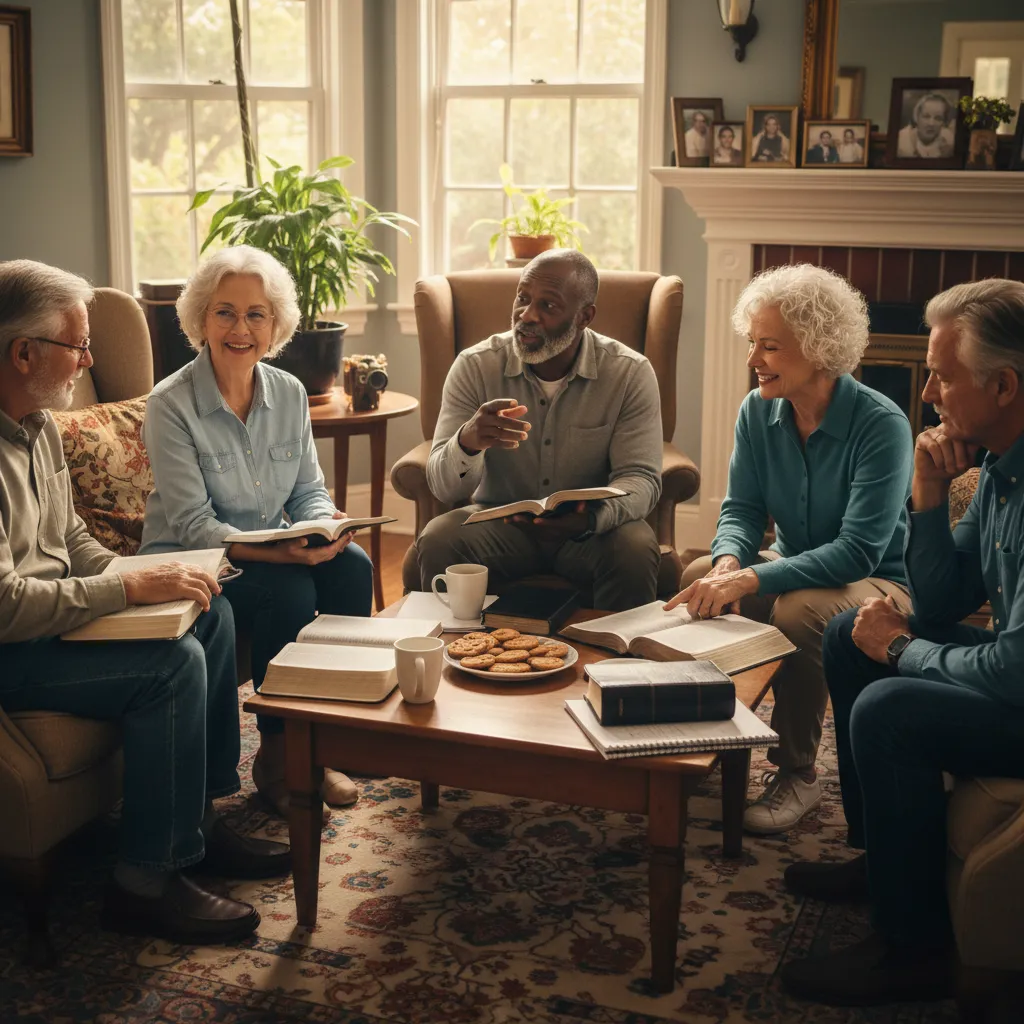
Group study adds dimensions that individual study cannot provide. Discussion with peers reveals perspectives you'd never consider alone. Accountability keeps you consistent when motivation wavers. Social connection with fellow believers combats isolation that retirement sometimes brings. Teaching others solidifies your own understanding. Consider joining or starting a group specifically for Baby Boomers who share your life stage and questions.
Building Your Legacy Through Scripture
Baby Boomer Bible study carries significance beyond personal enrichment. What you learn shapes how you live - and how you live influences grandchildren, mentees, and everyone watching your final chapters. Scripture engagement isn't self-focused spiritual maintenance but preparation for legacy-leaving impact.
Your grandchildren need what Bible study provides. Research consistently shows grandparents as among the most influential spiritual figures in children's lives. But you cannot give what you don't have. Fresh insights from current study give you relevant things to share. Personal application of Scripture models active faith rather than religious routine. Answers to your own hard questions equip you to help grandchildren navigate theirs. Consider studying resources from our grandparents Bible study section alongside your personal study.

Churches need your accumulated knowledge. Young believers benefit enormously from mentors who've walked with God for decades - but effective mentoring requires ongoing Scripture engagement that keeps your faith fresh rather than stale. You can teach what you know, but students quickly sense when teachers have stopped learning themselves. Continued Bible study makes you an increasingly valuable resource to your church community.
Your own finishing well depends on Scripture's sustaining power. When health fails, career identity disappears, friends die, and eternity approaches, what will anchor you? Religious habits without substance will prove inadequate. Only a faith grounded in genuine Scripture knowledge and ongoing divine encounter will sustain you through life's final challenges. Bible study now is preparation for trials you can anticipate but haven't yet experienced.
Finally, Scripture study produces the spiritual fruit that makes your final years attractive rather than bitter. The joy, peace, patience, and love that Paul identifies as Spirit-fruit grow through Word engagement and prayer. Angry, bitter, complaining old people rarely studied Scripture consistently. The elderly believers radiating Christ's presence despite difficulties invested in Bible study for decades. Which kind of senior do you want to become?
Starting or Restarting Your Study Practice
Whether you're establishing Bible study habits for the first time or returning after years of inconsistency, starting well increases chances of lasting practice. Don't attempt too much too quickly. A sustainable fifteen-minute daily study beats an ambitious hour-long commitment abandoned after two weeks. Build slowly from a foundation of consistency.
Connect Bible study to existing routines for better habit formation. If you always have morning coffee in a certain spot, make that your study location. If you read before bed consistently, transition from other reading to Scripture. If you exercise at the same time daily, try audio Bible during that period. Linking new habits to established ones dramatically increases follow-through. Our morning Bible study resources fit naturally into start-of-day routines.
Choose study materials that genuinely interest you. Studying books you find boring or using methods that don't fit your learning style creates resistance that undermines consistency. If you love history, choose studies emphasizing historical context. If you're a systematic thinker, try theology-focused studies. If you prefer practical application, choose studies emphasizing life change. Interest fuels consistency.
Consider accountability partners or group study for external motivation. Knowing others expect you to show up prepared adds incentive that personal commitment sometimes lacks. Group discussion also reveals insights you'd miss studying alone and provides social connection that retirement sometimes diminishes. Even virtual groups through online platforms can provide meaningful community.
Journal your insights rather than just reading and moving on. Writing forces deeper processing and creates records you can review later. When memory falters - as it increasingly does with age - journals preserve what you've learned. Looking back over years of journaled insights also encourages continued study by demonstrating its value. You might be surprised how much God has taught you when you see it accumulated on paper.
Bible Study for Life's Hard Questions
Baby Boomers face questions that Scripture specifically addresses but that require intentional study to engage. These aren't abstract theological puzzles but pressing life concerns that shape daily experience and future hope.
How do I face my own mortality? Scripture offers extensive resources for thinking well about death. Psalms honestly express fear while pointing toward hope. Paul's epistles develop robust theology of resurrection and eternal life. Jesus' death and resurrection provide foundation for confident hope. Revelation describes the destination awaiting believers. Study these texts intentionally rather than avoiding them out of discomfort.
What do I do with life's regrets? Decades of living inevitably include failures, wrong turns, and accumulated regrets. Scripture's teaching on grace, forgiveness, and God's redemptive work addresses these burdens directly. Study how biblical figures dealt with their failures - David after Bathsheba, Peter after denial, Paul after persecuting the church. Their stories model processing regret through grace rather than denial or despair. Our Bible study on forgiveness addresses these themes.
Where do I find purpose now? When career ends and children launch, the activities that previously provided purpose disappear. Scripture speaks to finding identity in Christ rather than productivity, to meaningful contribution in life's later chapters, and to purposes that transcend professional accomplishment. Study passages about eternal versus temporary, about serving others rather than achieving for self, and about the callings uniquely suited to this life stage. Explore Bible study on purpose for focused engagement.
How do I navigate declining health? Bodies that functioned well for decades begin failing. Scripture doesn't promise escape from physical decline but offers resources for enduring it faithfully: Paul's thorn in flesh teaching, perspectives on eternal bodies replacing temporary ones, examples of faithful saints who served despite limitations, and promises of God's sustaining presence through suffering. Study these texts before crisis makes them urgent, building foundations that will support you when needed.