In a culture obsessed with youth, it's easy to believe the lie that your most spiritually productive years are behind you. That's not what Scripture teaches. The Bible presents senior believers not as declining relics of faith past but as ripened saints reaching their season of greatest wisdom, deepest intimacy with God, and most significant influence. Your gray hair isn't a sign of spiritual irrelevance - it's what Proverbs 16:31 calls "a crown of splendor, attained in the way of righteousness."
Bible study for seniors isn't about accommodating limitations - though practical accessibility matters. It's about embracing a season when Scripture opens up in ways impossible during busier years. When you've watched God prove faithful through decades of marriages, careers, child-rearing, loss, and countless answered prayers, you read the Bible with eyes that see what younger readers miss. David's psalms of trust resonate differently when you've also walked through your own valleys of shadow. Paul's confidence in resurrection takes on urgency when you've buried contemporaries and face your own mortality honestly.
Yet many seniors struggle with Bible study in this season. Vision changes make reading difficult. Energy limitations cut short what once were lengthy study times. Memory challenges frustrate retention of what's read. Isolation from mobility restrictions or lost driving independence breaks connection with study communities. Chronic pain makes concentration difficult. Depression common in senior years dampens motivation. These very real challenges require practical solutions, not platitudes about faith overcoming all obstacles.
This guide addresses both the practical barriers and the profound opportunities of senior Bible study. You'll find accessible methods that work within physical limitations, technology tools that enhance rather than frustrate, community connections that combat isolation, and perspective on why this season of life positions you for spiritual depth and influence you couldn't achieve in earlier years. Your best years of knowing God may be just beginning.
What Scripture Says About Senior Believers
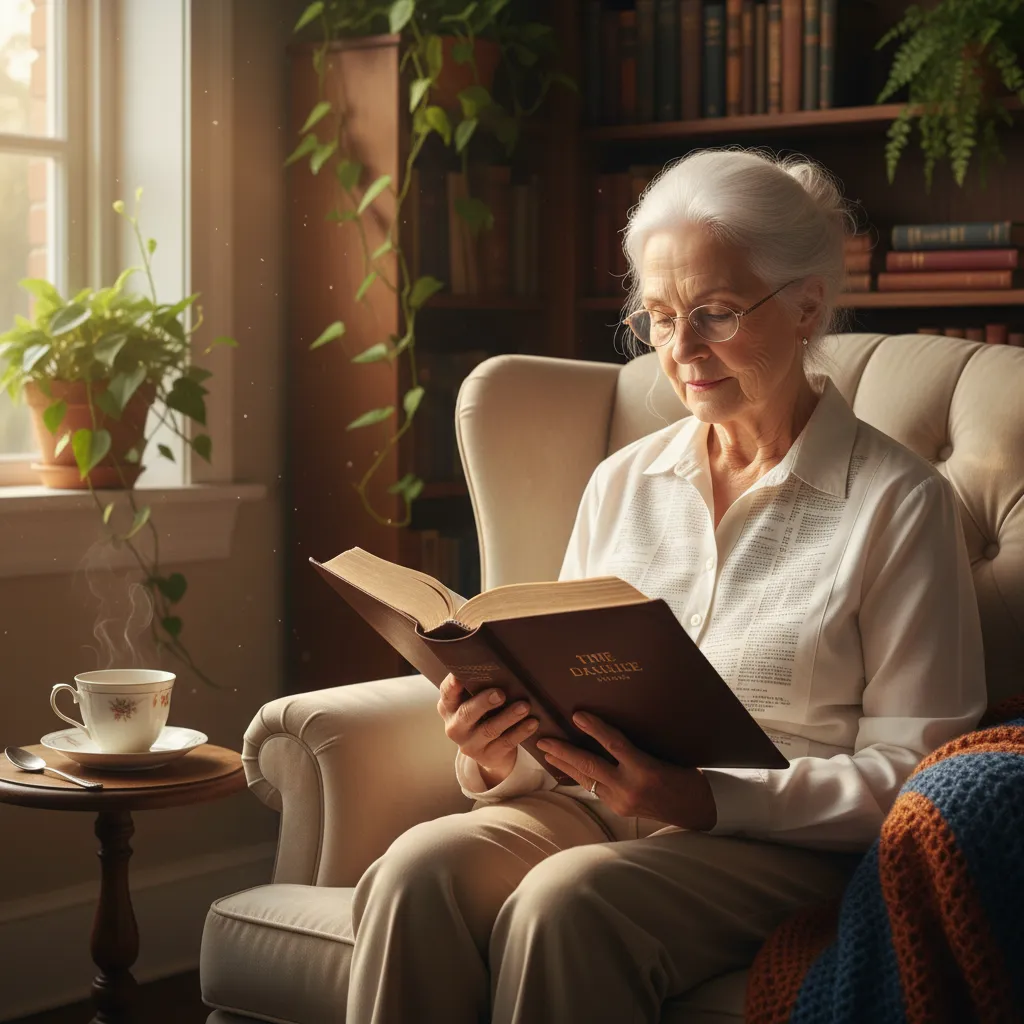
Before addressing practical Bible study methods, let's establish what God says about believers in their senior years. This isn't feel-good encouragement but biblical theology that shapes how you approach Scripture study in this life season. God's Word doesn't sideline seniors - it celebrates and commissions them.
Psalm 92:12-15 provides one of Scripture's most encouraging portraits of aging believers: "The righteous will flourish like a palm tree, they will grow like a cedar of Lebanon; planted in the house of the LORD, they will flourish in the courts of our God. They will still bear fruit in old age, they will stay fresh and green, proclaiming, 'The LORD is upright; he is my Rock, and there is no wickedness in him.'" Notice the emphatic "still" - fruitfulness doesn't stop but continues. The imagery of staying "fresh and green" counters any notion of spiritual drying up in later years.
God makes personal promises about caring for His aging people. Isaiah 46:4 records: "Even to your old age and gray hairs I am he, I am he who will sustain you. I have made you and I will carry you; I will sustain you and I will rescue you." The repetition of "I am he" emphasizes God's personal, unchanging commitment. He who carried you through earlier decades doesn't abandon you now. If anything, His sustaining presence becomes more evident as human self-sufficiency fades.
Titus 2:2-3 assigns senior believers specific responsibilities: "Teach the older men to be temperate, worthy of respect, self-controlled, and sound in faith, in love and in endurance. Likewise, teach the older women to be reverent in the way they live, not to be slanderers or addicted to much wine, but to teach what is good." These verses assume seniors remain active in faith communities, growing in virtue, and teaching younger generations. This isn't passive retirement but active commission.
Biblical examples reinforce these teachings. Moses led Israel at 80 and remained vital until 120. Caleb claimed his inheritance at 85, declaring himself as strong as when he was 40 (Joshua 14:10-11). Anna the prophetess served in the temple into her 80s, fasting and praying night and day, then recognized the infant Jesus as the Messiah (Luke 2:36-38). Simeon waited his entire life for the Messiah, finally holding Jesus as an elderly man before declaring he could now "depart in peace" (Luke 2:25-32). These weren't exceptions - they're models of faithful aging that Scripture preserves for our instruction.
Overcoming Physical Barriers to Bible Study
Physical limitations need not prevent meaningful Bible engagement. For every barrier, solutions exist. The key is honest assessment of your current capabilities and willingness to adapt methods you may have used for decades. What worked at 50 may not work at 75, but alternatives often prove even better.
Vision challenges affect most seniors to some degree. Large-print Bibles with 14-18 point fonts significantly reduce eye strain. Multiple publishers offer these in various translations - find one that balances readable size with manageable book weight. Bible apps like Bible Way allow unlimited text size adjustment, letting you find exactly the right size for your eyes on any given day. E-readers like Kindle display text at any size with backlighting that helps in dim conditions. Audio Bibles - available through apps, streaming services, CDs, or MP3 players - allow complete Scripture engagement without reading at all. Many seniors find audio Bibles not just accommodating but preferable, allowing Scripture listening during activities, rest periods, or when eyes tire.
Energy limitations require adapting study length and intensity. If you can no longer sustain hour-long study sessions, don't feel guilty about shorter engagements. Fifteen focused minutes trumps an hour of distracted reading while fighting fatigue. Consider multiple short sessions rather than one long one - morning and evening devotions of ten minutes each may work better than a single thirty-minute session. Match study intensity to your energy cycles; some seniors are sharpest in early morning, others after an afternoon rest. There's no virtue in fighting your body's natural rhythms.

Memory challenges frustrate many seniors in Bible study. You read a passage, close the Bible, and can't remember what you read. Don't let this discourage you - consistent engagement still shapes your heart and mind even when specific recall fails. Practical strategies help: keep a journal recording key insights and verses you want to remember. Review previous entries before new study to reinforce learning. Bible apps save highlights and notes permanently, creating a searchable record of your study. Read the same passages repeatedly over several days rather than moving quickly through new material. Share what you're learning with others - teaching others reinforces your own memory. Accept that memorization capacity may decline while trusting that Scripture hidden in your heart over decades remains.
Chronic pain makes concentration difficult. Some seniors find early morning study works best before pain medications wear off or pain intensifies. Others prefer post-medication study when pain is managed. Comfortable seating, proper lighting, and appropriate room temperature minimize physical distraction. Audio Bibles allow Scripture engagement while resting in positions that minimize discomfort. Don't fight through severe pain for lengthy study - God honors faithful engagement within your pain-limited capacity. Short prayers and single verses during difficult pain episodes maintain connection when deeper study isn't possible.
Mobility limitations need not isolate you from Bible study community. Online Bible studies via video conferencing connect homebound seniors with communities worldwide. Phone-based Bible studies serve those without internet access. Many churches offer transportation for seniors to attend in-person studies. Some churches bring studies to nursing homes, assisted living facilities, or homebound members. Bible Way's community features connect seniors regardless of physical location. The goal is finding connection methods that work for your situation, not accepting isolation as inevitable.
Technology as Ally, Not Enemy
Many seniors resist technology, viewing it as young people's domain or too complicated to learn. This resistance costs them powerful Bible study tools that make Scripture more accessible than any previous generation enjoyed. The initial learning investment pays dividends in enhanced study capabilities and connection options.
Tablets and smartphones host Bible apps providing features physical Bibles cannot match. Text size adjusts to any level. Audio narration reads any passage aloud. Multiple translations appear side-by-side for comparison. Built-in dictionaries define unfamiliar words with a tap. Highlighting and note-taking tools mark important passages permanently. Search functions find any verse instantly. Reading plans track progress and send reminders. These tools don't replace the Bible - they enhance access to it. Bible Way specifically designs for users of all ages, including seniors who need accessible, intuitive interfaces.
Voice assistants like Amazon's Alexa, Google Home, or Apple's Siri can read Scripture aloud on command. Saying "Alexa, read Psalm 23" brings immediate audio Scripture to anyone in hearing range. This hands-free access helps seniors with arthritis, tremors, or other conditions affecting hand use. Smart speakers can also play worship music, Christian podcasts, or audio Bible programs, filling homes with faith-building content throughout the day.
Video conferencing (Zoom, FaceTime, Google Meet) enables participation in Bible studies from anywhere. Many churches added online study options during recent years and continue offering them for homebound members. Seniors can join studies at distant churches, connect with grandchildren for family devotions across miles, or participate in specialized studies for their life stage. The camera can be optional for those self-conscious about appearance, but seeing others builds connection that phone calls alone don't provide.
Learning technology takes patience but isn't as difficult as many seniors fear. Many libraries and community centers offer free technology classes for seniors. Family members often willingly help with setup and training. YouTube tutorials explain virtually any technology task step by step. Once past initial learning curves, most seniors find technology enhances rather than complicates their Bible study. Don't let unfamiliarity with tools keep you from accessing resources that could transform your Scripture engagement.
Bible Study Methods That Work for Seniors
Not all Bible study methods serve seniors equally well. Some approaches that work for busy professionals or young families don't fit senior life rhythms and capabilities. Finding methods that match your current situation maximizes engagement while minimizing frustration.
Devotional reading with reflection serves many seniors better than intensive analytical study. This involves reading shorter passages slowly, pausing to consider what God is saying through the text, praying through insights and questions that arise, and journaling thoughts worth remembering. It prioritizes depth over breadth, relationship with God over information accumulation. Daily devotional resources support this approach with manageable portions and reflection prompts.
Lectio Divina (divine reading), an ancient Christian practice, fits senior pace and priorities perfectly. It involves reading a passage slowly several times, listening for words or phrases that stand out, meditating on what God might be saying through those words, praying in response to what you've heard, and resting in God's presence. This contemplative approach doesn't require extensive background knowledge, rapid reading, or intensive analysis - just attentive, prayerful engagement with Scripture's voice.
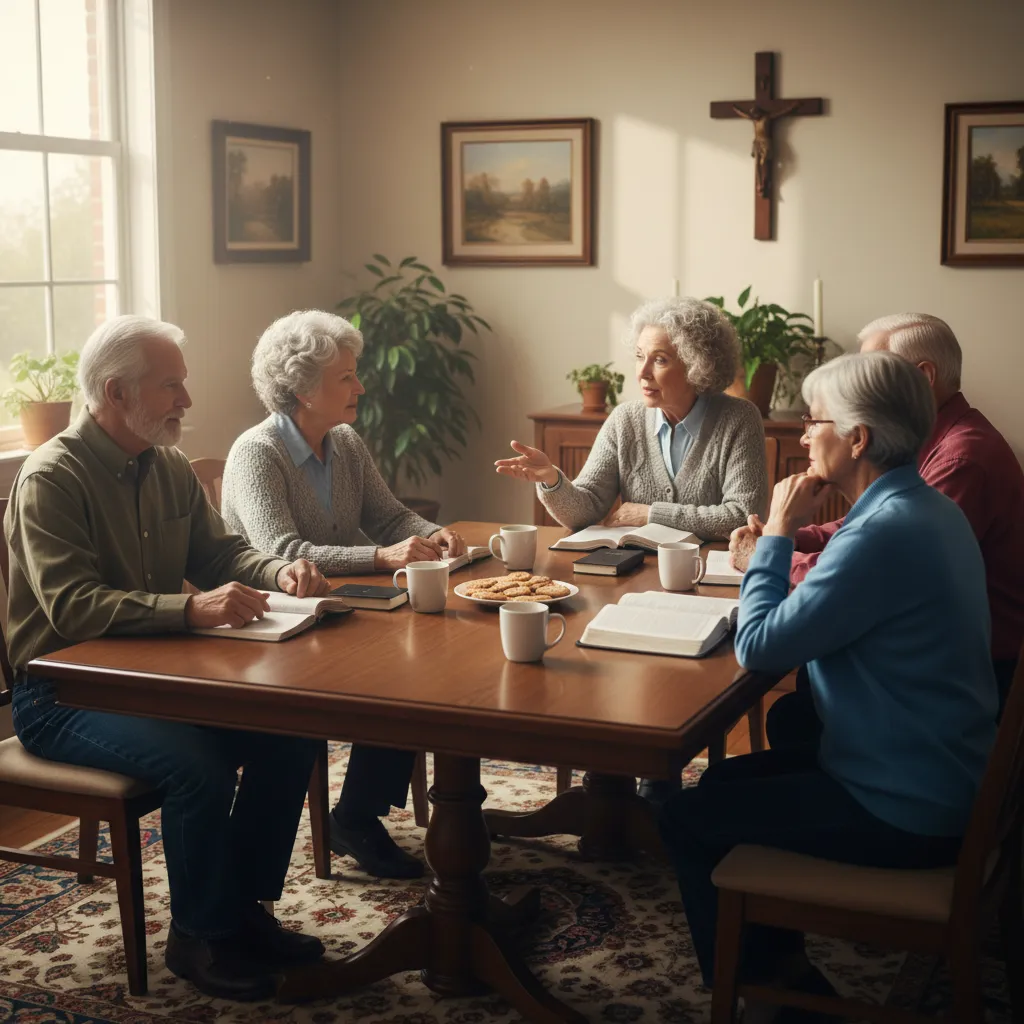
Psalms study resonates particularly with seniors. The Psalms honestly express every human emotion - joy, fear, gratitude, anger, confusion, trust, despair, hope. They model how to bring real feelings to God rather than pretending everything is fine. Seniors who've experienced the full range of life's joys and sorrows find the Psalms speaking directly to their experience. A monthly cycle through all 150 Psalms provides structured variety while keeping individual reading portions manageable.
Gospel-focused study keeps Jesus central. Extended time in Matthew, Mark, Luke, and John immerses you in Jesus's life, teachings, death, and resurrection. Reading the Gospels repeatedly, perhaps alternating between them, builds familiarity with Christ's character and words. For seniors facing mortality, the Gospels' resurrection accounts and Jesus's promises about eternal life provide particular comfort and hope. Explore John's Gospel or Matthew's account for focused study.
Wisdom literature speaks directly to seniors' life experience. Proverbs collects wisdom tested across generations. Ecclesiastes honestly explores meaning, mortality, and what matters when life's end approaches. Job addresses suffering that seniors often know intimately. Studies on wisdom help seniors process their own accumulated wisdom while learning from Scripture's wise voices.
Avoid rigid reading plans that create guilt when health interruptions cause missed days. Plans that accommodate flexibility - allowing catch-up without feeling behind, offering multiple completion paths, or simply providing daily readings without strict schedules - serve seniors better than plans that generate failure feelings when life intervenes. Bible Way's plans are designed with flexibility that respects seniors' unpredictable health realities.
Finding and Building Community
Bible study in isolation loses something essential. God designed us for community, and Scripture study in relationship with others enriches understanding, provides accountability, and addresses the isolation that plagues many seniors. Finding your people requires intention and sometimes creativity, but options exist for virtually every situation.
Church-based studies remain the most common option. Most churches offer adult Sunday school classes, weekday Bible studies, or small group options that welcome seniors. Some churches have age-specific groups addressing seniors' particular concerns. Others integrate generations intentionally. If transportation limits church attendance, ask about ride-sharing programs, volunteer drivers, or whether church members might bring studies to homebound members. Many churches will accommodate if they know the need.
Senior centers and community organizations sometimes host Bible studies. These may attract participants who wouldn't attend church-based studies, providing opportunity to study with neighbors and build community in familiar, non-church settings. Check local senior center schedules or inquire about starting a study if none exists.
Residential facilities - nursing homes, assisted living communities, retirement communities - often have chapel services and Bible studies. Quality varies, but persistent advocacy can improve options. Residents requesting Bible study often find staff willing to facilitate or outside groups willing to lead. If your facility lacks Bible study, consider whether you might start something simple, even one-on-one with another interested resident.
Online communities connect seniors regardless of geography or mobility. Bible Way's community features allow interaction with fellow believers studying the same content. Denomination-specific online groups gather believers with shared theological perspectives. Facebook groups centered on Bible study topics provide ongoing conversation. These digital connections don't replace in-person fellowship entirely but supplement it meaningfully, especially for homebound seniors.
One-on-one discipleship relationships provide depth that group studies sometimes lack. Consider who in your circle might study Scripture with you weekly - a friend, neighbor, younger believer who wants mentoring, or family member. Phone calls can substitute for in-person meetings when necessary. These personal relationships allow honest questions, vulnerable sharing, and accountability that larger groups rarely provide.
Facing Mortality with Biblical Hope
Seniors live with mortality's reality more immediately than younger believers. Friends and spouses die. Health scares remind you that physical life is finite. This proximity to death can either terrify or draw you deeper into Scripture's promises about what lies ahead. Bible study becomes particularly meaningful when you're studying not just for this life but in preparation for the next.
Jesus's promises about eternal life deserve focused study. John 14:1-6 records Jesus assuring disciples: "Do not let your hearts be troubled. You believe in God; believe also in me. My Father's house has many rooms; if that were not so, would I have told you that I am going there to prepare a place for you?" This isn't wishful thinking but the words of one who rose from death and knows what He's talking about. Meditate on these promises until they become your confidence.
Revelation 21-22 describes what awaits believers: a new heaven and new earth where God dwells with His people, where death and mourning and crying and pain no longer exist, where all things are made new. Study these chapters not as mysterious prophecy to decode but as real descriptions of your future home. Let the imagery feed your imagination with what's coming.
First Corinthians 15 addresses resurrection directly. Paul argues for bodily resurrection based on Christ's resurrection, describes the transformation believers will experience, and famously declares: "Where, O death, is your victory? Where, O death, is your sting?" (v. 55). This chapter transforms death from terrifying end to transitional moment into glory. Study it until its confidence becomes yours.

Psalms of trust help process grief, fear, and uncertainty. Psalm 23 remains the most beloved for good reason - its imagery of God shepherding believers through the valley of death's shadow comforts across all ages and circumstances. Psalm 71 specifically voices an elderly believer's prayer, including: "Do not cast me away when I am old; do not forsake me when my strength is gone... Even when I am old and gray, do not forsake me, my God, till I declare your power to the next generation" (vv. 9, 18). This psalm gives words to seniors' particular fears and hopes.
Processing grief through Scripture helps when loss accumulates. Lament psalms (like Psalms 13, 22, 42, 88) model bringing raw pain to God rather than pretending faith prevents grief. Jesus wept at Lazarus's tomb despite knowing he'd raise him shortly - grief isn't failure of faith. Paul instructs believers not to grieve like those without hope, not to avoid grieving at all (1 Thessalonians 4:13). Let Scripture guide your grief toward hope without minimizing very real loss.
Consider creating legacy documents while studying these themes. Write down your testimony - how you came to faith, key moments of God's faithfulness, Scripture passages that have sustained you through decades. Record video messages for grandchildren and future generations. Write prayers for those who will grieve your death. These activities aren't morbid but wise stewardship of the influence you can still have after you're gone. Your Bible study in these final years isn't just for you - it's preparation for the legacy you'll leave.
Your Influence on Younger Generations
Your faithful Bible study in senior years isn't private spiritual maintenance - it's visible testimony to younger generations watching your example. How you engage Scripture now shapes how children, grandchildren, and younger believers think about faith across the lifespan. You're demonstrating either that faith sustains through life's final season or that it fades when no longer convenient.
Scripture assigns seniors the role of teaching younger believers. Titus 2 explicitly describes older men and women teaching younger ones through example and instruction. This doesn't require formal teaching positions - it happens through relationship. When younger believers see you still studying Scripture, still praying, still growing in faith despite physical challenges, they learn something textbooks can't teach: this faith works for the long haul. Explore grandparents Bible study resources for intergenerational influence.
Share what you're learning with others. Mention insights from morning devotions in conversations with family. Tell grandchildren what Scripture passage you're studying. Discuss Bible study content in phone calls with distant relatives. This isn't showing off spiritual accomplishments but naturally sharing what you're thinking about. Your enthusiasm for Scripture demonstrates that it remains relevant and life-giving decades into faith.
Pray for younger generations based on your Bible study. When passages prompt concerns for children or grandchildren, pray those concerns. When promises apply to their situations, pray those promises over them. This intercessory ministry - informed by your Bible study - may be your most significant contribution. Prayers prayed now may be answered decades after you're gone, shaping lives into generations you'll never meet on earth.
Consider mentoring relationships with younger believers seeking wisdom from those who've walked longer with God. Many young people hunger for spiritual parents or grandparents who can offer perspective their peers lack. Your decades of Bible study equip you to guide others through challenges you've already navigated. This investment in younger believers multiplies your influence beyond anything you could accomplish alone.
Beginning or Renewing Your Senior Bible Study
Whether you're establishing new Bible study habits or renewing ones that have lapsed, starting is simpler than you might think. Don't let past failures, current limitations, or feeling behind discourage you from beginning today. God welcomes every sincere approach to His Word regardless of when or how you come.
Start small and build consistency before intensity. If you haven't studied regularly, begin with just five minutes daily. Read one psalm. Pray briefly about what you read. Do this for two weeks before adding time or content. Building habit matters more than achieving impressive study sessions. Once daily engagement becomes routine, gradually expand as capacity allows.
Gather whatever resources match your situation. If vision allows comfortable reading, get a Bible you enjoy holding - perhaps large-print, perhaps your worn favorite. If technology seems helpful, download Bible Way or another accessible app. If audio works best, find audio Bible options that fit your listening preferences. If group study appeals, identify options in your church, community, or online. Preparation reduces friction that stops good intentions.
Tell someone your plan. Accountability increases follow-through dramatically. Tell a spouse, friend, child, or pastor that you're committing to daily Bible study. Ask them to check in periodically about how it's going. This simple step transforms private intention into social commitment that's harder to abandon.
Accept that consistency matters more than perfection. You'll miss days when health intervenes, energy fails, or life disrupts routines. Don't let missed days become excuses for quitting. Simply resume the next day without guilt or making up missed readings. God isn't tracking your performance - He delights in your presence whenever you come. A lifetime of mostly-consistent engagement beats a month of perfect discipline followed by discouragement and giving up.