
Personal Preparation
Heart preparation through Scripture before stepping onto the platform to lead others.
Leading worship is a sacred responsibility that requires deep biblical foundation, not just musical skill. Bible Way provides comprehensive Bible study resources designed specifically for worship leaders who want to lead from theological depth, spiritual authenticity, and pastoral awareness. Join thousands of worship leaders who use our Bible study platform to grow in their craft and calling. Whether you lead a small church choir or a large worship team, these resources will transform how you prepare and lead.
Specialized resources designed for the unique calling and challenges of worship ministry with features that support both personal growth and team leadership
Deep study of what Scripture teaches about worship - its purpose, practice, and power in the life of believers and the church.
Biblical frameworks for choosing songs that are theologically sound, congregationally appropriate, and spiritually formative.
Personal devotional resources that prepare your heart to lead others into the presence of God with authenticity and humility.
Bible study materials designed for worship teams to grow together spiritually before rehearsals and services.
Extensive study resources for the Psalms - the original worship songbook with timeless patterns for praise and lament.
Resources connecting worship practice to church history and understanding how different traditions approach worship.
See how worship leaders use Bible Way for spiritual preparation and team leadership
Heart preparation through Scripture before stepping onto the platform to lead others.

Building spiritual unity with your team through shared Scripture study before making music together.

Comparing song lyrics to Scripture to ensure theological accuracy and congregational appropriateness.
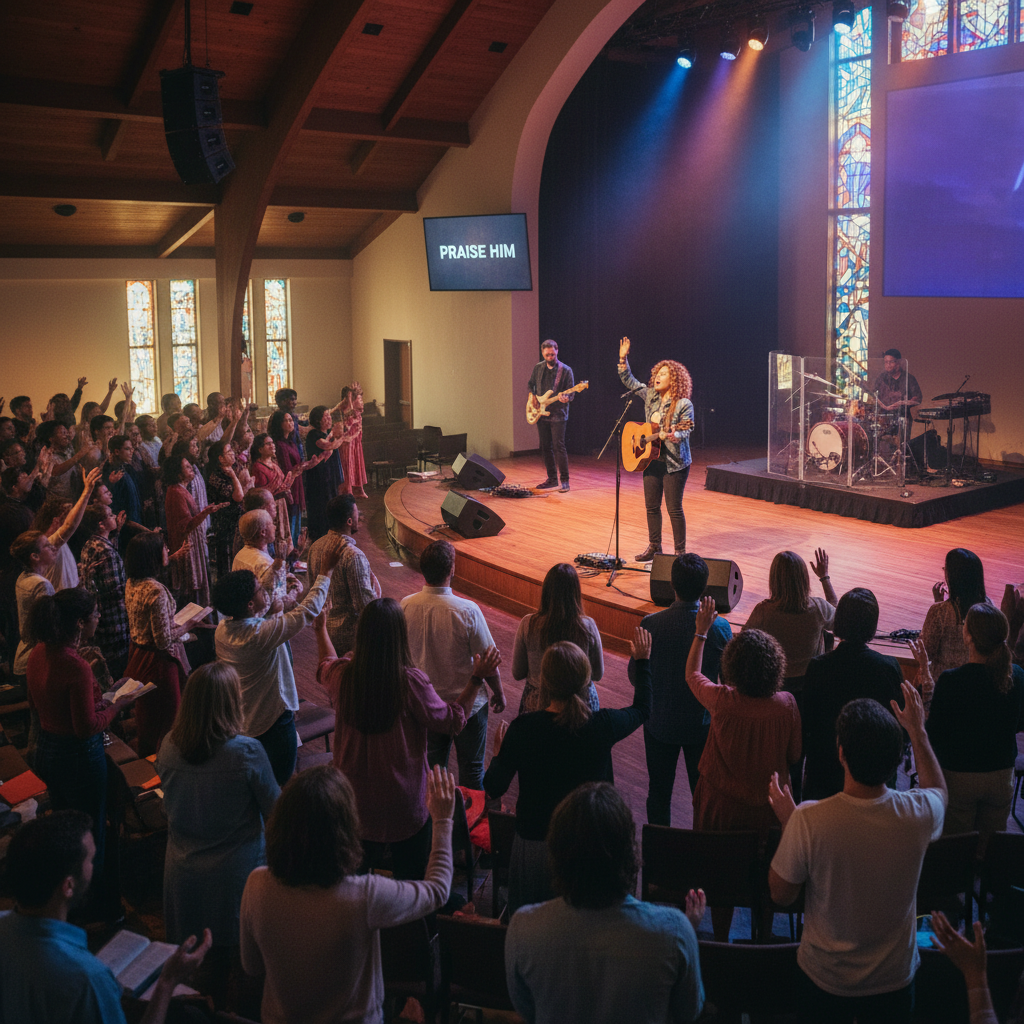
Confidently leading from biblical foundation with pastoral awareness of your congregation's needs.
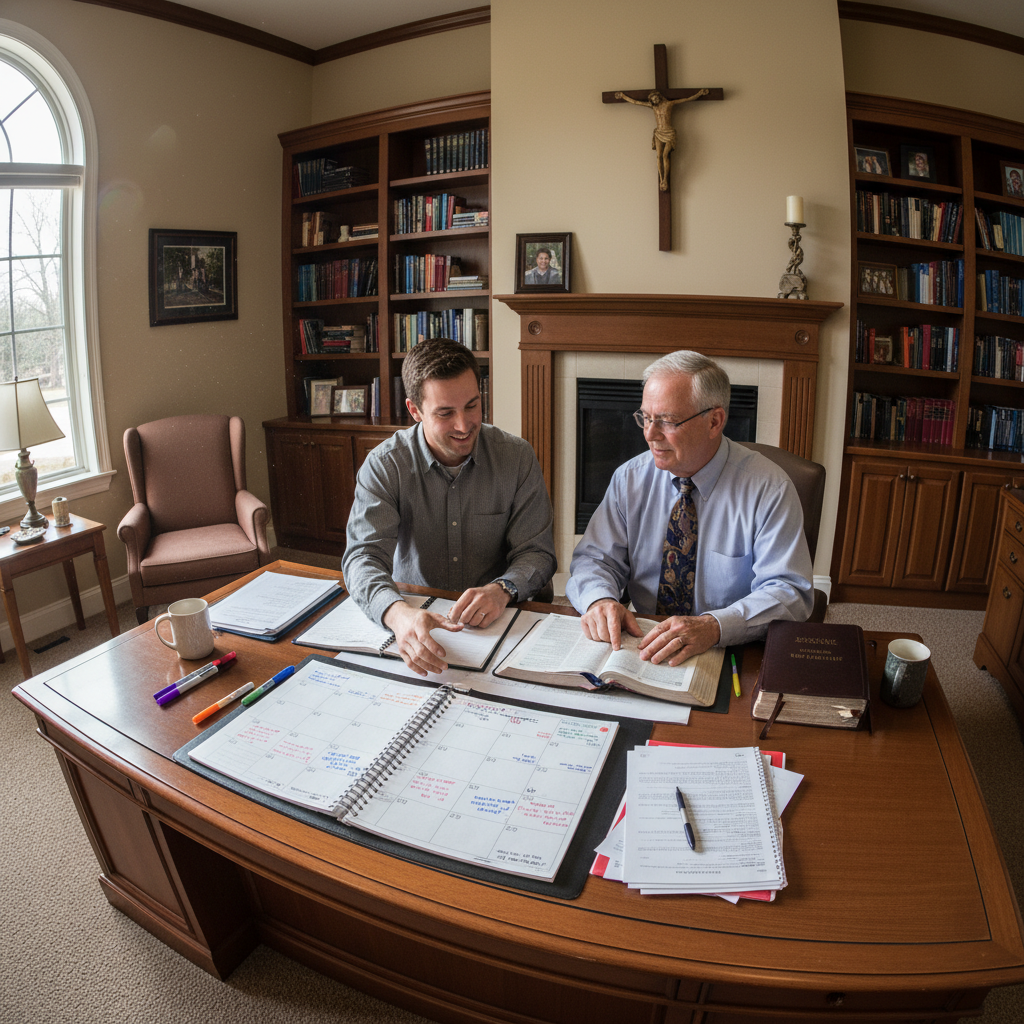
Collaborating with pastoral staff to align worship with teaching for unified spiritual formation.

Mentoring emerging worship leaders in both musical skill and spiritual depth for ministry multiplication.
Comprehensive biblical study organized for worship ministry application. Enhance your understanding with our worship topic study for deeper theological exploration.
Core biblical teaching on what worship is and why it matters
Key biblical passages and examples of worship
Biblical principles for worship leadership
Building healthy, Spirit-led worship teams
Feedback from worship leaders using Bible Way resources
"Bible Way transformed how I prepare for Sunday mornings. The Psalms study resources alone have revolutionized my song selection and how I communicate during worship. My team devotional time using these materials has created deeper unity than I've ever experienced."
"I used to just pick songs that "felt right." Bible Way's worship theology resources gave me a framework for understanding why certain songs work and others don't. Now my sets have theological depth and emotional range that serves our congregation so much better."
"After two decades in worship ministry, I thought I knew it all. Bible Way showed me how much I was missing. The liturgical understanding resources connected me to the rich history of worship across traditions, making me a more versatile and thoughtful leader."
A rhythm of spiritual preparation that leads to sustainable, Spirit-led worship ministry. Pair with our daily Bible study for consistent Scripture engagement.
Reflect on the previous service. What worked? What could improve? How did the congregation respond? Journal your observations for growth.
Spend extended time in Scripture unrelated to Sunday planning. Feed your own soul first. You cannot lead others where you have not been.
Examine potential songs for theological accuracy. Study the Scripture basis for lyrics. Evaluate whether songs communicate truth clearly.
Lead your worship team in Bible study before rehearsal. Connect the upcoming service theme to Scripture. Pray together for the congregation.
Meet with your pastor to understand the sermon theme. Align your song selection and transitions with the teaching. Create unified worship experience.
Personal retreat time to prepare your heart. Confess any sin. Surrender expectations. Ask God to use you as a vessel, not performer.
Arrive early for prayer. Lead rehearsal spiritually, not just musically. Trust that God will meet His people through your faithful preparation.
The Psalms are the original worship songbook, offering patterns for every season of life and faith. Explore deeper with our Psalms Bible study.
Psalms 145-150
Templates for exuberant corporate celebration of God's greatness
Psalms 13, 22, 88
Permission and patterns for honest expression of pain and struggle
Psalms 30, 34, 118
Responses to God's faithfulness and answered prayer
Psalms 1, 37, 73
Reflection on living faithfully in complex world
Psalms 2, 45, 110
Messianic themes pointing to Christ as King
Psalms 35, 69, 109
Processing anger and injustice before God honestly
Worship ministry is emotionally and spiritually demanding. Longevity requires intentional self-care. Bible Way supports your long-term health because the church needs worship leaders who endure.
Biblical criteria for selecting songs that serve your congregation well
Ministry is better together. Join worship leader communities through Bible study groups
"Our worship leader network using Bible Way has become my most valuable ministry resource. We share setlists, process challenges, and pray for each other. I'm a more effective leader because of these relationships."
Sarah M.
10 years in worship ministry
Common questions about Bible study for worship leaders
Worship leaders face unique challenges that require specialized biblical training beyond general Christian discipleship. Leading others into God's presence is a profound responsibility that demands theological depth about worship itself - understanding what Scripture teaches about praise, lament, corporate singing, and the role of music in spiritual formation. Worship leaders also need biblical frameworks for evaluating songs, since modern worship music varies widely in theological accuracy. They need resources for personal spiritual preparation that distinguish between preparing for Sunday and feeding their own souls. They need biblical principles for leading teams, handling conflict, and developing other leaders. General Bible studies are valuable but don't address these specific ministry needs. Bible Way provides worship-focused resources that connect Scripture study directly to worship ministry practice, helping leaders grow in both personal faith and ministry effectiveness. The result is worship leading that flows from theological conviction rather than just musical preference.
Theological song evaluation requires systematic examination of multiple factors. First, check doctrinal accuracy: Does the song accurately represent Scripture? Are God's attributes portrayed correctly (not overemphasizing some while ignoring others)? Is the gospel clearly communicated without distortion? Could any lyrics be misunderstood or lead to false beliefs? Second, examine Christ-centeredness: Does the song point to Jesus, or could it be sung to any deity? Third, evaluate balance: Does your overall song selection cover God's transcendence and immanence, judgment and mercy, sovereignty and intimacy? Fourth, consider congregational impact: Will these lyrics shape people toward Christlikeness? Do they create space for genuine encounter with God? Will people carry these truths with them through the week? When uncertain about a song, compare its lyrics directly to Scripture passages on the same topic. Consult your pastor or other trusted theological voices. If a song is musically excellent but theologically weak, it's better not to use it - there are plenty of songs that are both. Bible Way's song evaluation resources provide frameworks and questions to systematically assess worship music before introducing it to your congregation.
This is worship ministry's greatest occupational hazard: letting preparation for others replace personal devotion. When every encounter with Scripture becomes about Sunday's setlist, your soul starves while feeding others. Intentional separation is essential. First, schedule personal devotional time that is completely unrelated to worship planning - read books of the Bible you're not mining for songs, journal your own struggles and joys, pray about matters beyond ministry. Second, create boundaries around work: don't listen to worship music constantly, take a true Sabbath from ministry thinking, turn off the song-evaluation filter when attending other churches. Third, find spiritual input sources: a worship leader mentor, a small group where you're not the leader, a spiritual director or counselor. Fourth, attend services where you can simply receive - guest at other churches, worship nights where you're not responsible, conferences where you're a participant. Fifth, practice silence and solitude regularly - worship leaders often develop an addiction to noise and performance that starves contemplation. Bible Way's personal devotional resources for worship leaders are designed for this separation, providing Scripture engagement that feeds your soul without being about Sunday preparation.
The Psalms are the original worship songbook, offering patterns for every season of faith. They teach the full range of worship expression that modern worship often lacks. Study psalm categories for worship breadth: praise psalms (145-150) model exuberant celebration; lament psalms (13, 22, 88) give permission for honest struggle; thanksgiving psalms (30, 34, 118) respond to God's faithfulness; wisdom psalms (1, 37, 73) reflect on faithful living; royal psalms (2, 45, 110) point to Christ as King; even imprecatory psalms (35, 69, 109) model processing anger before God. Notice psalm structures: how they move from complaint to trust, from darkness to hope - this informs how we structure worship sets and services. Study psalm imagery: the powerful metaphors for God, self, and life situations provide language that transcends our contemporary clichés. Practice praying the Psalms aloud as personal devotion - this trains you in biblical worship vocabulary. Consider incorporating psalm readings or sung psalms into services. Let the Psalms expand your emotional and theological range beyond the relatively narrow band of much contemporary worship. Bible Way's extensive Psalms resources are specifically designed for worship leaders who want this biblical foundation to inform their practice.
Spiritual leadership of worship teams distinguishes between a band that performs together and a ministry team that serves together. Start every rehearsal with Scripture and prayer - not perfunctory religious bookends, but genuine spiritual preparation that connects the music to its purpose. Share the "why" behind song choices: what Scripture informs them, what spiritual goals they serve, what you're hoping God does in the congregation through these songs. Create space for team members to share prayer needs and celebrate spiritual wins. Address conflict biblically rather than avoiding it - team dynamics are discipleship opportunities. Develop spiritual growth standards for team members that matter as much as musical competency. Invest in individual discipleship, not just group rehearsal. Be appropriately transparent about your own spiritual journey - model both confidence in Christ and honest struggle. Celebrate spiritual fruit in team members' lives, not just musical improvement. Consider occasional team retreats focused on spiritual formation rather than music preparation. Bible Way's team devotional resources provide structured materials for pre-rehearsal Bible study and prayer that build spiritual unity alongside musical excellence.
This tension is one of worship leadership's ongoing challenges, and Scripture supports both thorough preparation and Spirit-led flexibility. The Levitical musicians in Chronicles were highly trained and rehearsed - excellence was expected. Yet the New Testament describes spontaneous singing and Spirit-prompted utterances. The key is recognizing that preparation and spontaneity aren't opposites - thorough preparation actually enables better spontaneity. When you've deeply prepared musically and spiritually, you have more resources to draw from when the Spirit prompts a change. You can repeat a chorus because you know the song well enough to signal your team. You can pray spontaneously because you've been soaking in Scripture all week. You can extend a moment of response because you're spiritually attuned, not just following a setlist. Practice "prepared spontaneity" by building flexibility into your setlists, rehearsing potential adjustments with your team, and agreeing on signals for common changes. Trust that the Holy Spirit can work through both your preparation and in-the-moment leading. Don't force spontaneity to prove spirituality - that creates pressure and performance. Don't rigidly follow plans when something clearly needs to shift. Bible Way resources help you prepare so thoroughly that you can be flexibly responsive to what God is doing in the room.
Worship leaders have significant influence on congregational worship culture, extending beyond Sunday morning music. Teach about worship: work with your pastor to include occasional teaching on worship theology during services, explaining why we do what we do. Model authentic engagement - congregations watch their leaders for cues on how to respond. Introduce songs thoughtfully: explain new songs before leading them, help people understand what they're singing. Create diverse worship experiences that develop different aspects of worship: exuberant praise, reverent awe, contemplative silence, responsive commitment. Don't just lead what's easy for the congregation - stretch them toward worship expressions that are unfamiliar but valuable. Address barriers honestly: if your culture resists physical expression in worship, gently teach biblical precedent; if your services are entertainment-focused, call people to participant rather than spectator worship. Celebrate congregational singing over performance - arrange music so people can actually join in rather than watching a concert. Connect worship to daily life: what does "spiritual worship" (Romans 12:1) look like Monday through Saturday? Bible Way provides resources for congregational worship formation that extend your influence beyond Sunday setlist curation.
The worship leader-pastor relationship is crucial for unified spiritual formation but often underdeveloped. Ideally, this partnership creates worship services where music and message work together toward common spiritual goals. Meet regularly with your pastor - not just for logistics, but for theological conversation and mutual spiritual care. Understand the sermon series well in advance so you can select songs that prepare hearts for teaching and provide response to truth proclaimed. Discuss worship philosophy: how does your church understand the relationship between music and Word, tradition and innovation, performance and participation? Welcome pastoral input on song selection and worship direction while contributing your unique perspective and gifting. Support your pastor visibly and sincerely - congregations notice tension between pulpit and platform. Pray for your pastor regularly and ask for their prayers. Subordinate your ministry ego to the church's overall mission - worship isn't a separate kingdom. Address differences privately and respectfully. When vision conflict occurs, work toward understanding rather than competition. Bible Way provides resources that help worship leaders and pastors develop shared vocabulary and vision for worship ministry as integrated service to the congregation.
Worship ministry burnout is common because the role is emotionally and spiritually demanding week after week, often with high visibility and frequent criticism. Prevention requires intentional practices across multiple areas. Spiritually: maintain devotional life separate from Sunday preparation, find a mentor or spiritual director, practice Sabbath rigorously - don't listen to worship music on your day off. Musically: explore music outside your typical genre for inspiration, attend worship conferences, learn new instruments, collaborate with worship leaders from other churches. Relationally: develop other team members to share leadership responsibility, guard family time from ministry demands, cultivate friendships outside church contexts. Emotionally: process criticism constructively without letting it define you, don't equate service response with your personal value, celebrate small wins and faithful service, seek counseling if ministry stress becomes overwhelming. Practically: set realistic expectations for weekly commitments, take regular breaks from leading platform worship, use vacation time for actual rest rather than catching up. Bible Way's burnout prevention resources address each of these areas, recognizing that sustainable ministry requires the whole person to be healthy, not just musical skills to be sharp.
Leadership multiplication is essential for healthy worship ministry and your own longevity. Start by identifying potential leaders - look for the combination of musical skill, spiritual maturity, and servant heart, not just the most talented musicians. Invite them into apprenticeship: let them observe your preparation process and spiritual disciplines, not just your public leading. Create progressive opportunities: background vocals, then leading a song, then leading a set, then leading entire services. Provide theological training: song evaluation skills, worship philosophy, pastoral awareness while leading. Give honest feedback lovingly - people grow through specific, actionable input. Develop their unique gifting rather than creating clones of yourself. Include them in planning conversations so they understand the "why" behind decisions. Create safety for failure - early leading experiences will have rough edges. Celebrate their development publicly while mentoring privately. Eventually, release them to lead independently while remaining available for support. Consider creating formal leadership development pathways with clear expectations and milestones. Bible Way's team development resources support this multiplication by providing curriculum for training emerging worship leaders in both musical and spiritual dimensions of the calling.
Multigenerational worship is challenging but valuable, creating opportunities for learning across age groups that segregated services eliminate. Start with theological conviction: worship is about God's pleasure, not congregational preference, so no generation's musical style is inherently more "worshipful" than another. Build diverse repertoire: include hymns with rich theological content, contemporary songs with congregational accessibility, global music that reflects the worldwide church. When introducing unfamiliar songs to any generation, explain your reasoning and help them engage. Mix old and new strategically - pair vintage lyrics with contemporary arrangements, give traditional hymns their original dignity. Train your team to play various styles authentically rather than forcing everything into one genre. Invite input from all generations through song suggestions and feedback, helping each generation understand others' perspectives. Consider occasional "teaching moments" that help younger generations appreciate hymn heritage or older generations understand contemporary worship expression. Avoid the extremes of ignoring legitimate preference differences or making style the ultimate value. The goal is united worship where every generation learns to love what others value. Bible Way resources include worship music across traditions and generations, with theological grounding that helps diverse congregations worship together.
While Scripture doesn't specifically address modern worship leader roles, principles emerge from biblical examples and general leadership requirements. The Levitical musicians in Chronicles were set apart for skilled service, suggesting musical competency matters. They were from the priestly tribe, suggesting worship leadership is sacred, not secular entertainment. David "played skillfully" (Psalm 33:3), connecting skill and worship. New Testament elder qualifications (1 Timothy 3, Titus 1) provide character standards applicable to any visible ministry role: above reproach, temperate, self-controlled, respectable, not given to drunkenness, not quarrelsome, not a lover of money. The requirement to be "apt to teach" applies since worship leaders communicate through song selection and between-song comments. Spiritual maturity and theological soundness protect the congregation from musical error. Servant heart orientation contrasts with performance ego that corrupts worship. Given platform visibility, exemplary family life and personal integrity matter. Humility that makes much of God rather than self distinguishes worship leading from entertainment. Bible Way's worship leader resources address these character dimensions alongside musical development, recognizing that who you are matters more than how you sing.
Additional resources to support your worship leading ministry
Multiple translations for song lyric comparison
biblegateway.com →Word studies for understanding worship vocabulary
biblehub.com →Quick reference for worship theology questions
gotquestions.org →Chord charts and worship leader resources
worshiptogether.com →Orchestrations and worship music arrangements
praisecharts.com →Articles on worship theology and practice
christianitytoday.com →Visual Bible overviews including Psalms studies
bibleproject.com →Theological resources on worship
desiringgod.org →