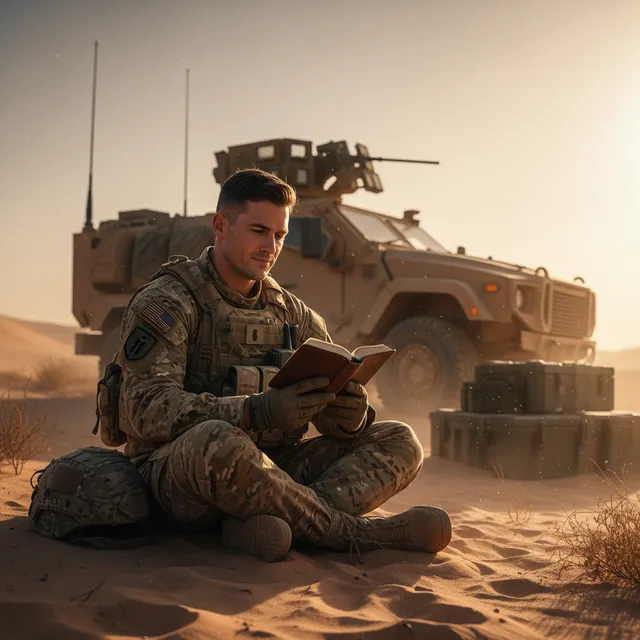
Deployed Devotion
Service members finding moments with God during deployment operations.
Bible study for military service members provides Scripture-based resources designed for the unique challenges of military life. Whether you're facing deployment, combat, family separation, or transition to civilian life, God's Word offers strength, hope, and guidance for every mission. Our comprehensive Bible study resources equip warriors to build unshakeable faith while serving their country. From the foxhole to the home front, discover how Scripture has sustained soldiers throughout history and can sustain you today.
Be strong and courageous - "Do not be afraid; do not be discouraged, for the Lord your God will be with you wherever you go" (Joshua 1:9)
Put on the full armor of God - stand firm against spiritual forces (Ephesians 6:10-18)
Endure hardship as a good soldier of Christ Jesus (2 Timothy 2:3)
God is our refuge and strength - an ever-present help in trouble (Psalm 46:1)
Under His wings you will find refuge - His faithfulness is your shield (Psalm 91:4)
Fear not, for I am with you - I will strengthen and help you (Isaiah 41:10)
Throughout history, warriors have found strength in God's Word. Explore our comprehensive features designed to help you build faith that sustains through every mission and every season of military life.
Develop unshakeable faith that sustains you through the unique challenges of military service, from boot camp to deployment and beyond.
Put on the full armor of God (Ephesians 6). Learn to wield Scripture as your spiritual weapon against fear, doubt, and temptation.
Stay connected to God during long deployments with accessible studies designed for limited time and resources in the field.
Resources for spouses and children navigating the unique challenges of military life, separation, and frequent moves.
Biblical guidance for service members transitioning out of the military and reintegrating into civilian life with purpose.
Scripture-based resources for processing combat experiences, moral injury, and finding healing through faith.
See how service members and military families integrate faith into military life
Service members finding moments with God during deployment operations.
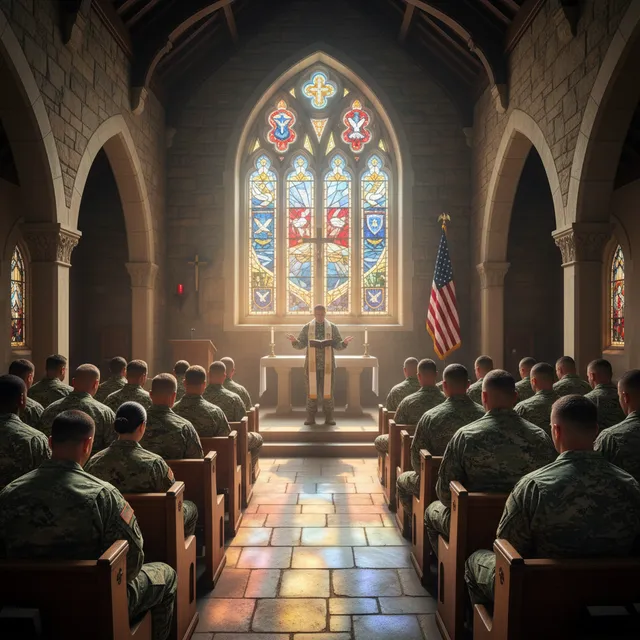
Military chapel services bringing warriors together in worship and study.
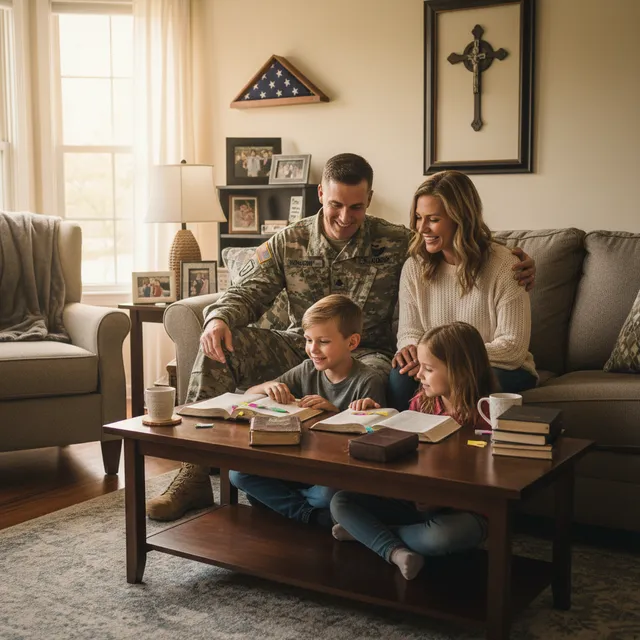
Military families strengthening bonds through Scripture study together.
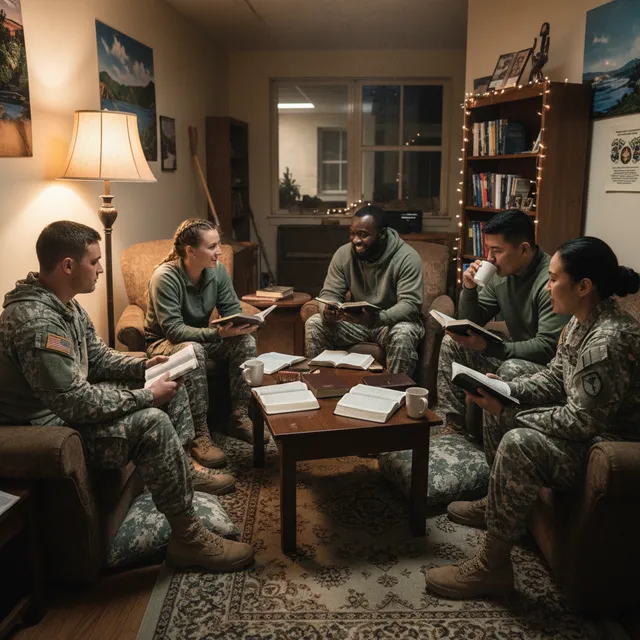
Service members building faith community in their units through small groups.

Military spouses finding strength in Scripture during separation and service.
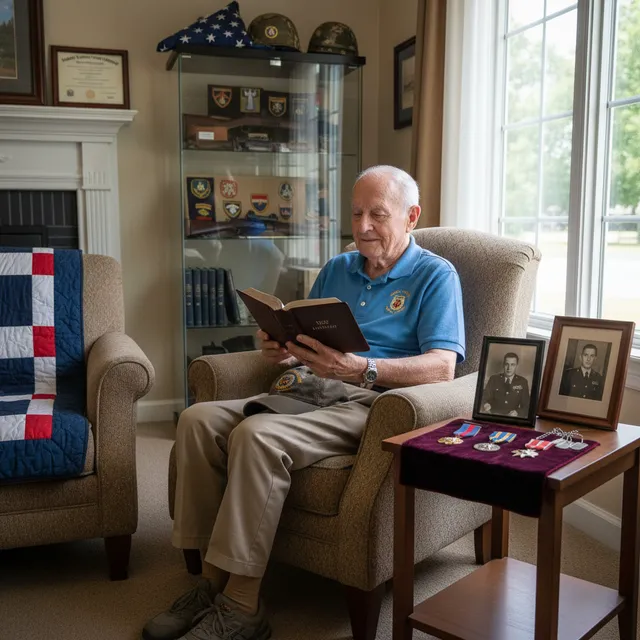
Veterans finding healing and purpose through continued faith study after service.
Comprehensive biblical studies for military application. Complement with our leadership Bible study for NCOs and officers.
Understanding your identity as both soldier and servant of God
Maintaining spiritual disciplines in challenging environments
Biblical courage in the face of life-threatening situations
Sustaining connections during separation and stress
Real testimonials from service members and families transformed by studying Scripture
"Bible Way kept me grounded during my third deployment. When I had only 15 minutes of downtime, I could dive into Scripture and feel God's presence. The military-focused studies understood the challenges I face in ways generic devotionals never did."
"The loneliness of military spouse life is real. Bible Way's military family resources helped me find community with other believers and gave me Scripture to cling to during my husband's deployments. Our marriage is stronger because of this study."
"After combat, I struggled with things I couldn't talk about. The Bible study on processing trauma through Scripture was the first thing that actually helped. It met me where I was without judgment and pointed me to healing through Christ."
Tools designed for military life. Access alongside our online Bible study platform and daily devotionals.
Quick 5-10 minute devotions designed for limited time and resources during deployment or training.
Strengthen your marriage through frequent moves, separations, and the unique stresses of military life.
Scripture-based processing for combat experiences, moral injury, and the invisible wounds of war.
Biblical wisdom for transitioning out of the military and finding purpose in civilian life.
Age-appropriate resources for military children dealing with parent deployment and frequent moves.
Materials for chaplains and lay leaders to facilitate Bible studies in military settings.
A Bible study for military service members draws from a rich scriptural tradition that honors warriors while calling them to higher purposes. Scripture contains numerous accounts of faithful soldiers - from David the warrior king to Cornelius the centurion, the first Gentile convert in Acts 10. The Bible doesn't condemn military service but calls soldiers to serve with integrity, courage, and faith. When soldiers asked John the Baptist what they should do, he didn't tell them to leave the military but to "not extort money and don't accuse people falsely - be content with your pay" (Luke 3:14). This practical ethics for military life acknowledges that service can be honorable while maintaining moral standards. The Apostle Paul frequently used military imagery because he understood the discipline, sacrifice, and courage required of soldiers - qualities that translate directly to the Christian life.
The unique challenges of military life - extended deployments, combat stress, family separation, frequent moves, and the moral complexities of warfare - require spiritual resources beyond generic Christian content. A Bible study for military members addresses these specific challenges with relevant Scripture, practical application, and understanding of military culture. Studies on hope sustain you through deployment. Studies on healing address the invisible wounds of war. Family studies strengthen bonds despite separation. Military Bible study recognizes that service members face spiritual battles alongside physical ones and equips them for both.
Join thousands of service members integrating faith with military life. Connect with our men's and women's Bible studies for additional support.
"After 20 years of service, I thought I'd seen everything. But Bible Way showed me I'd never really studied Scripture in light of my military experience. It connected dots I didn't know existed and brought healing I didn't know I needed."
CSM Robert M.
U.S. Army, Retired
Common questions about faith, military service, and spiritual growth
Scripture presents military service as an honorable calling when conducted with integrity. In Luke 3:14, when soldiers asked John the Baptist what they should do, he didn't tell them to leave the military but to serve with justice: "Don't extort money and don't accuse people falsely - be content with your pay." Cornelius, a Roman centurion, became the first Gentile convert to Christianity and was described as "devout and God-fearing" (Acts 10:2). Jesus marveled at the faith of a centurion, saying "I have not found such great faith even in Israel" (Matthew 8:10). David, a warrior king, was called "a man after God's own heart" (Acts 13:22). The Bible uses military imagery positively - believers are called to put on spiritual armor (Ephesians 6:10-18) and to fight the good fight of faith (1 Timothy 6:12). While Scripture calls soldiers to moral conduct in warfare and acknowledges the tragedy of violence, it does not condemn military service itself. Rather, it recognizes that warriors can serve faithfully while maintaining their relationship with God.
Deployment presents unique challenges to spiritual life, but faith can not only survive but thrive during these seasons with intentional effort. First, bring Scripture with you. Whether a physical Bible, devotional cards, or the Bible Way app on your phone, have God's Word accessible. Even 5-10 minutes of Scripture daily provides spiritual sustenance. Second, establish a routine. Deployments often lack normal structure, making intentional spiritual disciplines essential. Set aside the same time daily - morning before operations or evening before sleep - for prayer and Scripture. Third, connect with chaplains and other believers. Most deployments have chapel services and Bible studies. Even informal fellowship with other Christians provides vital community. Fourth, journal your experience with God. Deployment can be a time of profound spiritual growth as you face your mortality, experience fear, and witness suffering. Writing helps process these experiences in light of faith. Fifth, stay connected with your home church through email and care packages. Sixth, memorize Scripture for times when you can't access a Bible. Psalm 91, Joshua 1:9, and Isaiah 41:10 are particularly meaningful for deployed service members. Seventh, offer your service to God. "Whatever you do, work at it with all your heart, as working for the Lord" (Colossians 3:23) transforms deployment from a hardship to an offering.
Fear in combat is natural and even necessary - it alerts us to danger. The question is how to function with fear rather than being paralyzed by it. Scripture addresses fear directly and repeatedly. "When I am afraid, I put my trust in you" (Psalm 56:3) - notice it says "when" not "if." David, a warrior who faced real combat, acknowledges fear while choosing trust. Joshua 1:9 commands courage: "Be strong and courageous. Do not be afraid; do not be discouraged, for the Lord your God will be with you wherever you go." This is military language for military people - be strong in the face of fear because God is present. Isaiah 41:10 promises: "Fear not, for I am with you; be not dismayed, for I am your God; I will strengthen you, I will help you, I will uphold you with my righteous right hand." In dangerous situations, this promise becomes your anchor. Practically, many warriors develop pre-combat prayers or memorize Scripture to recite under stress. The familiar words become a lifeline to faith when thinking clearly is difficult. After combat, process what you experienced rather than suppressing it. Fear and trauma need to be worked through, and Scripture provides a framework for understanding these experiences.
Long separations challenge military families spiritually, but intentional effort can maintain and even strengthen spiritual connection. First, study the same Scripture together. Choose a book of the Bible or devotional guide and read the same passages daily, then share reflections through email, letters, or video calls. Ecclesiastes 4:12 says "a cord of three strands is not quickly broken" - keep God as the third strand in your marriage. Second, pray together remotely. Schedule regular prayer times when possible, or pray at the same time each day knowing your spouse is doing the same. Third, write spiritual letters. Beyond updates about daily life, share what God is teaching you. These become precious records of your spiritual journey. Fourth, connect with military chapel communities both at home and deployed. The military chaplaincy exists specifically to support families during separation. Fifth, for children, establish age-appropriate spiritual routines that include the deployed parent - videos of bedtime prayers, Bible story recordings, or countdown calendars with daily verses. Sixth, read books about military marriage from a Christian perspective. Resources like "Faith Deployed" and "Hope for the Home Front" address the specific challenges you face. Seventh, trust that God is with your family member even when you can't be. Prayer across distance is powerful.
Combat trauma, whether diagnosed as PTSD or simply the weight of what you've experienced, requires honest engagement with both the trauma and with God. Scripture doesn't promise that faith makes trauma disappear, but it does offer a framework for healing. First, know that God can handle your pain and your questions. The Psalms are full of lament - "My God, my God, why have you forsaken me?" (Psalm 22:1). Bring your honest struggle to God. Second, don't isolate. Trauma wants to separate us from community, but healing happens in relationship. James 5:16 says "confess your sins to each other and pray for each other so that you may be healed." While trauma isn't sin, this principle of healing in community applies. Find safe people - chaplains, counselors, veterans who understand, support groups - and share your burden. Third, address moral injury specifically. If you did things that violated your conscience or witnessed actions that shattered your view of humanity, you may need spiritual guidance beyond what general PTSD treatment provides. Forgiveness, both receiving and extending, is a spiritual process. Fourth, recognize that healing is often gradual. 2 Corinthians 4:16-18 speaks of "outwardly wasting away yet inwardly being renewed day by day." Healing may coexist with continued struggle. Fifth, seek professional help alongside spiritual resources. God often works through counselors and treatments. Faith and therapy are not mutually exclusive.
Praying for protection in danger is natural and biblical. Psalm 91, often called "the soldier's psalm," promises God's protection: "He will cover you with his feathers, and under his wings you will find refuge" (v.4). David prayed for God's help in battle throughout the Psalms. However, praying biblically means surrendering outcomes to God's will while asking for His protection. "Not my will, but yours be done" (Luke 22:42) was Jesus' prayer facing His own death. Some who pray for protection will survive; some won't. This isn't evidence that God failed but that His purposes are larger than we understand. Rather than demanding victory, consider praying: "Lord, protect me and my unit according to Your will. Give me courage to do my duty. Help me make decisions that honor You. Be with those I love while I'm away. Whatever happens, may Your purposes be accomplished." Praying for your enemy may feel counterintuitive but follows Jesus' command (Matthew 5:44). This doesn't mean praying they succeed against you but praying for their souls, for restraint on both sides, for peace where possible. After combat, thank God for protection received and pray for those who didn't survive - both sides. Combat prayer is honest, urgent, and trusting.
Combat guilt, sometimes called "moral injury," occurs when experiences violate our moral framework. This is distinct from PTSD, though they often overlap. Scripture addresses guilt directly and offers genuine hope. First, distinguish between false guilt and genuine guilt. Some guilt comes from survivor's remorse, impossible choices, or even doing your job correctly when that job involved violence. This isn't moral guilt but the normal weight of tragic situations. Romans 8:1 says "there is now no condemnation for those who are in Christ Jesus." If you acted within the rules of engagement and your moral framework, don't carry guilt that doesn't belong to you. However, if you did things that genuinely violated your conscience and God's law, confession is the path forward. 1 John 1:9 promises: "If we confess our sins, he is faithful and just and will forgive us our sins and purify us from all unrighteousness." God's forgiveness is complete for those who truly repent. The blood of Christ covers even combat sins. Second, you may need to forgive yourself, which is often harder than receiving God's forgiveness. Third, consider restitution where possible - supporting veteran causes, speaking out against injustice, or mentoring young service members to do better. Fourth, talk to a chaplain or Christian counselor who understands combat. Some burdens are too heavy to carry alone.
The military environment offers unique opportunities for witness, but it requires wisdom about what's appropriate given your position and context. First, your character is your primary testimony. How you perform your duties, treat subordinates, respond to difficult leaders, handle stress, and maintain integrity in morally complex situations speaks louder than words. "Let your light shine before others, that they may see your good deeds and glorify your Father in heaven" (Matthew 5:16). Second, be available for conversations when they arise naturally. Military life generates deep questions about meaning, mortality, and morality. People often seek out the Christian when they're struggling. Third, attend and support chapel activities visibly. Your presence encourages others and signals that faith is valued. Fourth, be careful about evangelism with subordinates or as a leader, as your position creates power dynamics that can make religious pressure inappropriate. Chaplains exist specifically for religious guidance; use them. Fifth, don't hide your faith but don't weaponize it either. You can share what you believe when asked without imposing or proselytizing. Sixth, use military fellowship opportunities - FCA, Navigators military ministry, chapel small groups - to build community with other believers. Seventh, pray for your unit, your leadership, and your mission. Your prayers are powerful even when invisible.
Christian ethics in warfare is a complex topic that believers have wrestled with for centuries. The "just war" tradition, developed by Augustine and refined over centuries, provides a framework that many Christian service members find helpful. Just war principles include: legitimate authority (war declared by proper government), just cause (defense against aggression, protection of innocents), right intention (seeking peace, not revenge or conquest), last resort (all peaceful options exhausted), proportionality (violence proportional to the threat), and discrimination (distinguishing combatants from civilians). Within this framework, military service can be morally justified when fighting for legitimate defensive purposes. However, individual Christians may face situations where orders conflict with conscience. Unjust orders (war crimes, unnecessary violence, mistreatment of prisoners or civilians) should never be followed, even under military authority. "We must obey God rather than human beings" (Acts 5:29). The Nuremberg trials established that "following orders" doesn't excuse immoral actions. Before joining or during service, wrestle with these questions: What causes am I willing to fight for? What tactics are morally acceptable? What orders would I refuse? Building a moral framework before crisis makes it easier to maintain integrity under pressure. Chaplains and Christian military communities can help you think through these issues.
Military-to-civilian transition is one of life's most significant changes, affecting identity, community, purpose, and daily structure. Faith provides crucial grounding during this upheaval. First, recognize that your identity is ultimately in Christ, not your rank or service. "I have been crucified with Christ and I no longer live, but Christ lives in me" (Galatians 2:20). While military identity is significant, it's not ultimate. You're a child of God first, then a veteran. Second, trust God's plan for your future. "For I know the plans I have for you, declares the LORD, plans to prosper you and not to harm you, plans to give you hope and a future" (Jeremiah 29:11). God isn't finished with you when your service ends; He has purposes for your next chapter. Third, grieve the losses - camaraderie, purpose, structure, identity elements - while embracing new possibilities. Ecclesiastes 3:1 says "there is a time for everything." Fourth, connect with a civilian church before transitioning if possible. Military chapel communities are wonderful, but they won't be there after separation. Find a faith community that will walk with you. Fifth, consider how military skills translate to ministry or service. Your leadership, discipline, and experience are valuable in churches, nonprofits, and other organizations. Sixth, address any spiritual or psychological wounds before transition if possible, as these challenges often intensify during major life changes.
Military families play crucial roles in the spiritual lives of service members, especially during challenging seasons. First, pray consistently and specifically. Let your service member know you're praying and ask what to pray for. Prayer bridges any distance and any danger. Second, send spiritual care packages. Include devotional books, Scripture cards, worship music, a letter sharing what God is teaching you. These tangible reminders of faith provide encouragement. Third, maintain your own spiritual health. You can't give what you don't have. Stay connected to church, study Scripture, build your support network. A spiritually healthy spouse or family member is one of the greatest gifts to a service member. Fourth, support their faith practices even when inconvenient. Chapel attendance, Bible studies, and spiritual retreats contribute to their wellbeing and effectiveness. Fifth, provide space to process experiences when they return. Don't force conversations, but be available when they're ready to share. Listen more than advise. Sixth, understand that faith may change during service. Exposure to danger, death, and moral complexity often deepens or reshapes faith. Be patient with their journey. Seventh, connect with military ministry organizations like MFAN, Armed Services Ministry, or chapel family programs. These communities understand your unique challenges and provide support specifically for military families.
Scripture memorization provides spiritual ammunition accessible anytime, anywhere - in the field, under stress, or when physical Bibles aren't available. Here are key passages for military life: Joshua 1:9 - "Have I not commanded you? Be strong and courageous. Do not be afraid; do not be discouraged, for the Lord your God will be with you wherever you go." This is God's commission to Joshua as a military leader and applies directly to military service. Psalm 91 (the Soldier's Psalm) - This entire chapter speaks of God's protection in danger and is a traditional passage for military personnel. Isaiah 41:10 - "Fear not, for I am with you; be not dismayed, for I am your God; I will strengthen you, I will help you." Direct comfort for those facing fear. 2 Timothy 2:3-4 - "Join with me in suffering, like a good soldier of Christ Jesus. No one serving as a soldier gets entangled in civilian affairs, but rather tries to please his commanding officer." Military imagery for spiritual devotion. Psalm 23 - Comfort for those facing danger and death. "Even though I walk through the valley of the shadow of death, I will fear no evil, for you are with me." Ephesians 6:10-18 - The armor of God passage, particularly relevant for warriors. Philippians 4:6-7 - For anxiety and stress: "Do not be anxious about anything... and the peace of God, which transcends all understanding, will guard your hearts and minds."
Additional external resources to deepen your study of faith in military life
Collection of verses about courage, warfare, and service
biblegateway.com →Biblical answers to questions about faith and military service
gotquestions.org →Articles on faith, chaplaincy, and military life
christianitytoday.com →Discipleship resources designed for service members
navpress.com →