
Dorm Room Devotions
Students creating sacred space for Scripture in their living spaces, making faith part of daily college routine.
College is one of the most transformative seasons of life - and one of the most challenging for faith. A Bible study for college students addresses the unique pressures you face: intellectual challenges in the classroom, social temptations on campus, questions about identity and future, and the struggle to maintain spiritual disciplines amid academic demands. Our Bible study resources are designed specifically for university students who want to grow deeper in faith while navigating the complexity of campus life. Whether you're a freshman questioning everything or a senior preparing for life after graduation, you'll find practical biblical guidance for every stage of your college journey.
College is not when faith should be paused but when it should be deepened - doubts and questions become catalysts for mature belief
Christian community on campus is essential - isolation is the enemy of spiritual health during the college years
Your major and career path can be a calling - learning to see education as preparation for kingdom impact transforms perspective
Small consistent habits beat sporadic intensity - five minutes daily trumps one hour weekly for sustainable spiritual growth
Intellectual challenges to faith can strengthen rather than destroy belief when engaged honestly and with good resources
College is a unique mission field - your campus has unreached people who need to hear the gospel from someone they trust
Generic devotionals don't address campus realities. Explore our comprehensive features designed for the unique challenges university students face.
Bible studies designed to fit between classes, late-night study sessions, and the unpredictable rhythms of college life. No more one-size-fits-all approaches.
Explore how biblical truth integrates with your coursework, from science and philosophy to literature and social sciences. Faith and learning work together.
Find or start study groups with fellow students who share your desire to grow. College is the perfect time to build friendships centered on faith.
Address the tough questions college raises: doubt, suffering, sexuality, career, and purpose. No topic is off-limits when you're seeking truth.
Study on your phone between classes, in the library, or from your dorm. Bible Way goes wherever your college life takes you.
Five-minute devotionals for busy days and deep-dive studies for when you have time to explore. You control the depth based on your schedule.
See how college students are growing spiritually while navigating university life
Students creating sacred space for Scripture in their living spaces, making faith part of daily college routine.
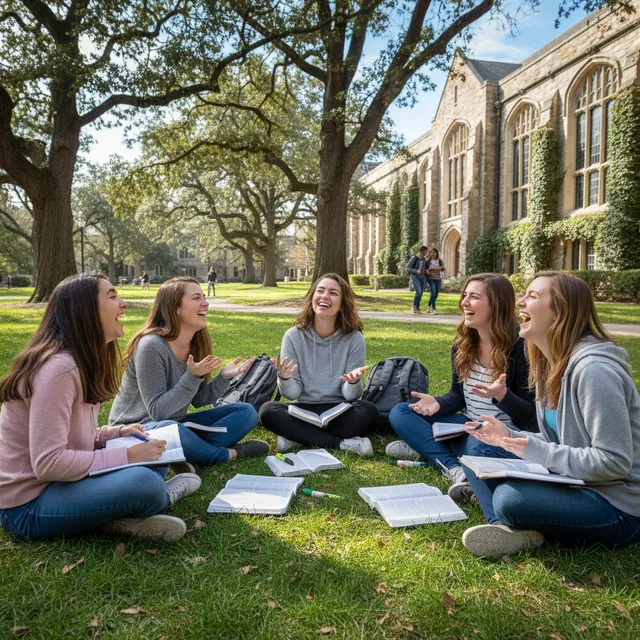
Small groups meeting across campus, building friendships centered on Scripture and mutual growth.

Upperclassmen discipling freshmen, passing on faith and wisdom through intentional relationships.

Students integrating biblical worldview with their academic disciplines and coursework.
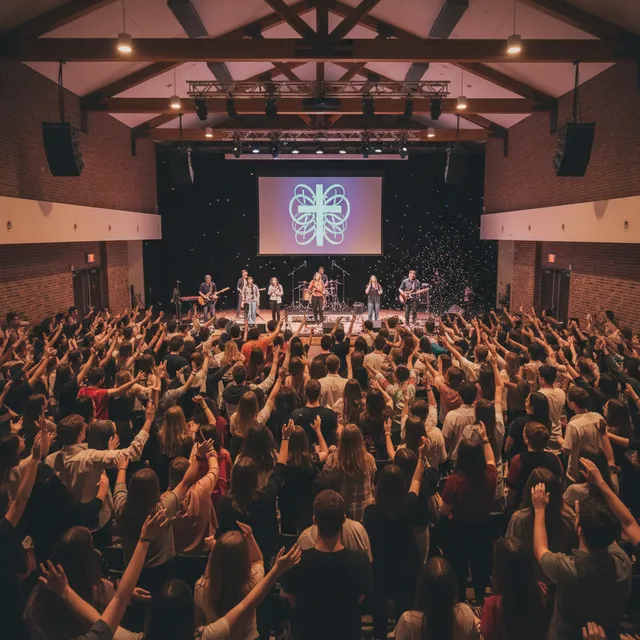
Student-led worship gatherings where college Christians come together to encounter God.
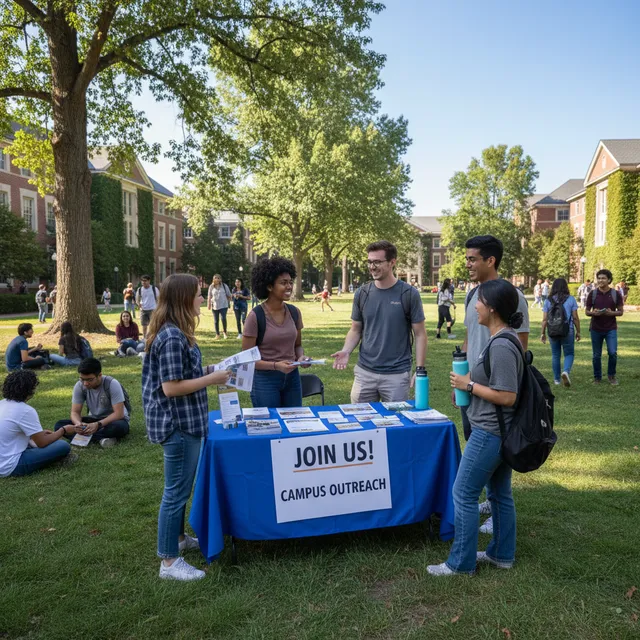
Students sharing their faith naturally with classmates and friends across their university.
Comprehensive studies addressing campus life realities. Perfect alongside our young adult Bible study for broader life-stage content.
Essential biblical truths every college student should know and be able to articulate
Navigating the unique pressures and opportunities of university life
Discovering God's calling for your career, relationships, and life direction
Developing mature faith habits during your college years
Real testimonials from students growing in faith on campus
"My faith was shaken freshman year when professors challenged everything I believed. Bible Way helped me process doubt without losing my faith. Now I can engage tough questions with confidence and compassion."
"I thought faith and my STEM degree were incompatible until I studied how to integrate biblical truth with scientific thinking. Bible Way showed me they work together beautifully."
"I recommend Bible Way to every student in our fellowship. The studies address what college students actually face - not theoretical issues but real campus challenges. It's become core to our discipleship."
Tools designed for the unique rhythms of university life. Complements our daily Bible study resources.
Quick daily readings designed for the busiest student. Start your day with Scripture even during finals week.
Ready-to-use curriculum for campus groups, dorm Bible studies, and accountability partnerships.
Learn to defend your faith intelligently when challenged in class, conversations, or online debates.
Biblical framework for major choices: relationships, major selection, career paths, and graduate school.
Resources for anxiety, depression, and stress that integrate biblical hope with practical help.
Discover how your gifts, passions, and education align with God's purposes for your life.
Research consistently shows that the college years are make-or-break for faith. Many students who grew up in church walk away during university, unable to answer the intellectual challenges they face or unwilling to swim against the cultural current. But it doesn't have to be this way. Students who engage with their faith seriously during college often emerge with stronger, more resilient belief than they had before. The questions you encounter in philosophy class, the alternative lifestyles celebrated on campus, and the pressure to conform can actually strengthen your faith when you have good resources and genuine community. College isn't a threat to your relationship with God - it's an opportunity for it to mature from childhood belief into adult conviction. The habits you build now, the questions you wrestle with, and the community you find will shape your faith for decades to come.
A Bible study for college students addresses the specific challenges you face. How do you maintain devotional habits when your schedule changes every semester? How do you engage professors who mock faith? How do you build a Christian community when you don't know anyone? How do you think through dating relationships biblically when the culture says anything goes? How do you discern God's will for your major, your career, your future spouse? These aren't abstract theological questions - they're the daily realities of campus life. Generic Bible studies written for middle-aged adults don't address them. You need resources created by people who understand university life and can apply biblical truth to your actual circumstances. That's what Bible Way provides: practical, biblically grounded guidance for every aspect of college faith.
Join thousands of college students deepening their faith. Perfect for online Bible study between classes.
"I was ready to abandon my faith after freshman year. Bible Way helped me see that my questions weren't signs of weakness but invitations to deeper understanding. Now I lead a dorm Bible study and help other students navigate the same struggles."
Emma J.
Junior, Biology Major, State University
Common questions college students ask about faith and Bible study
Encountering professors who challenge or criticize Christianity is one of the most common college faith experiences. First, remember that intellectual challenge can strengthen faith when engaged properly - don't run from questions. Second, distinguish between actual objections and rhetorical dismissal; many professors haven't seriously studied Christian apologetics. Third, do your homework: resources from thinkers like Tim Keller, Alister McGrath, and William Lane Craig address most academic objections. Fourth, recognize that professors are often experts in narrow fields - a biology professor isn't necessarily equipped to evaluate historical evidence for Jesus' resurrection. Fifth, build relationships with Christian professors in your field who demonstrate faith and academic excellence together. Sixth, remember that Christianity has a 2,000-year intellectual tradition engaging philosophy, science, and ethics at the highest levels. Your faith doesn't require you to abandon your intellect - it invites you to use it more fully. See challenges as opportunities to deepen understanding rather than threats to avoid.
College schedules are unpredictable, but that's exactly why flexible spiritual habits matter. First, reject the "all or nothing" mentality - five consistent minutes beats sporadic hour-long sessions. Second, tie Bible reading to existing habits: during breakfast, before your first class, or as a study break. Third, use transition time: walking to class, waiting for the bus, or before falling asleep. Fourth, leverage technology: Bible apps let you read anywhere, audio Bibles work during workouts or commutes, and devotional apps deliver content in digestible portions. Fifth, protect one sacred time slot weekly for deeper study - Sunday morning, Wednesday night, whatever works. Sixth, study with others: accountability keeps you consistent when motivation fades. The honest truth is that you make time for priorities. If social media gets an hour daily but God gets nothing, the issue isn't time - it's priority. Start small, build habits, and grow from there. The college student who develops consistent devotional practices despite busyness will carry those habits into career, marriage, and parenthood.
Questioning childhood faith during college is not only normal but often necessary for developing mature, personal belief. Faith inherited from parents must eventually become faith owned by you. The goal isn't to abandon questions but to work through them honestly. First, distinguish between healthy doubt (seeking understanding) and cynical skepticism (determined not to believe). Second, find safe spaces to ask questions - Christian campus groups, thoughtful mentors, or resources like our studies that welcome honest inquiry. Third, read widely: engage critics of Christianity but also Christian thinkers who've addressed those same criticisms. Fourth, recognize that every worldview has unanswered questions - atheism isn't more "rational" just because it's different from what you were taught. Fifth, keep practicing faith even while questioning - prayer, community, and Scripture reading provide context for your intellectual journey. Sixth, give yourself time: faith formation is a process, not an event. Many students who question in their early college years emerge with stronger faith by graduation because they've examined and owned their beliefs personally.
College dating presents unique challenges since you're surrounded by potential partners, cultural expectations favor casual relationships, and marriage feels far away. Biblical principles still apply: seek relationships that help rather than hinder spiritual growth; maintain sexual purity despite pressure (1 Thessalonians 4:3-5); date with intentionality rather than entertainment; pursue someone who shares your faith conviction (2 Corinthians 6:14). Practically: establish physical boundaries before emotions escalate; include community in your relationship rather than isolating as a couple; evaluate whether this person helps you follow Jesus more faithfully; be honest about intentions early. For those not dating: singleness in college is valuable time for growth, service, and developing character that will bless future relationships. Don't rush into relationships from fear of being alone. Whether dating or single, focus on becoming the kind of person who would attract and nurture a godly relationship. Build deep friendships with Christians of both genders. Trust God's timing for romance while actively becoming someone worth marrying.
The biblical answer is both. Local church involvement (Hebrews 10:25) connects you to multi-generational faith community, provides pastoral care, and teaches you to engage beyond the student bubble. Campus ministry connects you with peers facing identical challenges, provides immediate community, and offers mission opportunities unique to university life. Most spiritually thriving college students participate in both: they're committed members of a local church AND active in campus fellowship. Each serves distinct purposes: church provides broader accountability and long-term stability; campus ministry provides immediate peer support and campus-specific discipleship. If you can only choose one (due to scheduling or transportation), prioritize whichever provides genuine community and biblical teaching. But ideally, find a church within reasonable distance and a campus group that aligns with your theological convictions. Campus ministries like Cru, InterVarsity, Navigators, Reformed University Fellowship, and others each have distinct emphases - explore options to find the right fit. The key is avoiding isolation: spiritually isolated college students rarely thrive.
Effective campus evangelism flows from authentic relationships, not scripted conversations. First, live a genuinely different life that prompts questions - integrity, kindness, peace amid stress, and generosity stand out in college culture. Second, be an excellent friend: listen well, serve sacrificially, and care about their lives beyond spiritual conversion. Third, ask questions rather than lecture - genuine curiosity about someone's beliefs opens dialogue better than pronouncements. Fourth, share your own story: personal testimony is harder to argue against than theological propositions. Fifth, invite rather than pressure: "Want to come to this event?" works better than "You need Jesus." Sixth, be ready to explain your faith when asked (1 Peter 3:15) - know the basic gospel and your personal reasons for believing. Seventh, trust the Holy Spirit's work - your job is faithful witness, not guaranteed conversion. Eighth, accept rejection graciously; not everyone will respond positively, and that's okay. The goal is to be the kind of Christian that makes people curious about Jesus, not the kind that makes them run from faith. Relational authenticity trumps evangelistic technique every time.
College-related anxiety is epidemic, and faith offers genuine resources without dismissing real struggles. First, recognize that anxiety isn't sin - even Jesus experienced distress (Mark 14:33-34). Scripture commands "do not be anxious" (Philippians 4:6) as an invitation to trust, not condemnation for struggle. Second, practice the full passage: bring concerns to God in prayer with thanksgiving, and His peace will guard your heart. Third, distinguish between normal stress (motivating, temporary) and clinical anxiety (debilitating, persistent) - the latter may require professional help, which isn't lack of faith. Fourth, establish practical rhythms: adequate sleep, physical exercise, social connection, and limiting social media all affect mental health. Fifth, meditate on Scripture: memorizing passages like Psalm 23, Isaiah 41:10, or Matthew 6:25-34 provides truth to counter anxious thoughts. Sixth, lean into community - isolation amplifies anxiety while connection provides support and perspective. Seventh, limit catastrophizing by asking "What's the worst realistic outcome?" rather than imagining disasters. Faith doesn't eliminate stress but provides resources for navigating it and a hope that transcends circumstances.
Discerning vocation is one of college's most pressing questions, and Scripture provides principles rather than specific directions. First, recognize that God cares more about who you become than what job you hold - character matters more than career. Second, any legitimate work can glorify God when done excellently and ethically (Colossians 3:23). Third, consider where your abilities, passions, and opportunities intersect - Frederick Buechner called vocation "where your deep gladness meets the world's deep need." Fourth, seek wise counsel from parents, mentors, professors, and career services - Proverbs repeatedly commends seeking advice. Fifth, step out in faith: you often discover God's will by acting, not just analyzing. Take opportunities, try things, and trust that God guides those who are moving. Sixth, reject the false choice between "ministry" and "secular" work - Christians serve as salt and light in every field. Seventh, hold plans loosely: your first job isn't your final destination, and God uses unexpected paths. Eighth, prioritize faithfulness over fame or fortune - a career that requires compromising integrity isn't worth pursuing regardless of salary.
Party culture presents real challenges for college Christians, and navigating it requires wisdom rather than simple rules. First, know your boundaries before entering situations - deciding in the moment is harder than deciding in advance. Second, understand why Scripture prohibits drunkenness (Ephesians 5:18): alcohol impairs judgment, reduces inhibitions, and opens doors to sin. Whether abstaining entirely or drinking moderately depends on your conviction, legal status, and spiritual maturity. Third, recognize that you can have rich social life without partying - find friends who enjoy activities beyond drinking. Fourth, be present in social spaces without participating in everything - you can attend events, build relationships, and leave before things get problematic. Fifth, don't be judgmental toward those who party differently; condescension doesn't win people to Christ. Sixth, find Christian friends who share your standards and can support you socially. Seventh, remember that FOMO (fear of missing out) often lies - the "fun" you're missing frequently involves regret, hangovers, and consequences. Creating alternative social spaces where people can connect authentically without the party scene serves both Christians and seekers.
Building Christian community from scratch requires intentionality but is absolutely achievable. First, attend campus ministry meetings - even if awkward initially, these gatherings exist to welcome new students. Try multiple groups if the first doesn't click. Second, check out churches near campus and introduce yourself to other college students. Third, look for Christians in your classes, dorm, or activities and initiate conversations. Fourth, join a small group or Bible study - these create relationship depth faster than large gatherings. Fifth, be willing to initiate: invite someone to coffee, lunch, or study sessions. Don't wait for others to pursue you. Sixth, serve together - mission trips, service projects, and volunteer opportunities build friendships through shared purpose. Seventh, be patient: deep friendships take time, and first-semester loneliness is normal even for extroverts. Eighth, leverage technology: Christian dating apps have friend features, online communities connect believers, and social media helps maintain connections. The key is showing up consistently and being vulnerable enough to move beyond surface-level conversations. Quality Christian friendship in college often becomes lifelong relationship.
This question reveals a common misconception: that faith is optional self-improvement rather than relationship with the living God. You wouldn't pause your marriage during busy seasons or suspend breathing during finals. Your relationship with God is similarly fundamental to who you are, not an extracurricular to drop when convenient. That said, what faith practice looks like may vary. During intense seasons: simplify (five minutes of Scripture rather than hour-long studies); prioritize community (don't isolate even when busy); pray throughout activities rather than only in set times; and remember that God's faithfulness doesn't depend on your perfect performance. The irony is that busy seasons are precisely when you most need spiritual nourishment. Studies show that students who maintain faith practices during stress perform better academically and handle pressure more effectively. Rather than pausing faith, adapt its expression. The habits you build navigating college busyness will serve you in equally demanding adult seasons. If you consistently find "no time for God," examine whether your schedule reflects biblical priorities or cultural drivenness.
College often prompts reevaluation of inherited religious traditions, which can be healthy growth or dangerous drift depending on how you navigate it. First, distinguish between core gospel truths (essential across all Christian traditions) and secondary issues (denominational distinctives, worship styles, political alignments). Abandoning church attendance is categorically different from switching from Baptist to Presbyterian. Second, examine why your tradition feels ill-fitting: Is it theological conviction based on Scripture study? Cultural preference? Reaction against family? Understanding your motivation matters. Third, explore other expressions of Christianity before concluding that Christianity itself doesn't work. Attend different churches, read broadly, talk with Christians from various backgrounds. Fourth, maintain relationship with family even while exploring - dismissing their faith entirely usually damages relationships and may discard genuine wisdom. Fifth, commit somewhere eventually: perpetual shopping prevents spiritual depth. Find a community that teaches Scripture faithfully and commit to growing there. Sixth, recognize that no tradition is perfect - you're joining flawed communities wherever you go. The goal isn't finding perfect fit but finding faithful community for mutual growth.
Additional external resources to support your campus faith journey
Multiple translations, search tools, and study resources for deeper Scripture engagement
biblegateway.com →Biblical answers to questions about faith, theology, and Christian living
gotquestions.org →Dr. William Lane Craig's apologetics resources for defending faith academically
reasonablefaith.org →Contemporary Christian perspectives on faith, culture, and current events
christianitytoday.com →