
Financial Stewardship
Families learning to manage finances according to biblical principles.
Everything belongs to God - our money, time, talents, relationships, and very lives are gifts entrusted to us for His purposes. A Bible study on stewardship transforms how you view and manage all these resources, moving from ownership mentality to faithful management. Whether you want to honor God with your finances, invest your time more wisely, develop your gifts for greater kingdom impact, or simply live more generously, our comprehensive Bible study resources will equip you with biblical truth and practical wisdom for faithful stewardship in every area of life.
Understanding stewardship biblically transforms every aspect of life - from finances to time to eternal purpose. Explore our comprehensive features designed to help you become a faithful manager of all God has given.
Study biblical principles of managing money including tithing, giving, saving, debt avoidance, and contentment with God's provision.
Discover how Scripture calls us to redeem the time, prioritize what matters, and invest our days in eternally significant pursuits.
Learn how the parable of the talents teaches us to develop and deploy our God-given abilities for His kingdom purposes.
Understand our calling as caretakers of God's creation, exercising dominion with responsibility and care for the earth.
Explore how we've been entrusted with the message of salvation and the responsibility to share it faithfully with others.
Discover the joy and blessing of living generously, holding loosely to possessions and giving freely as God directs.
See how believers are being transformed by studying biblical stewardship
Families learning to manage finances according to biblical principles.
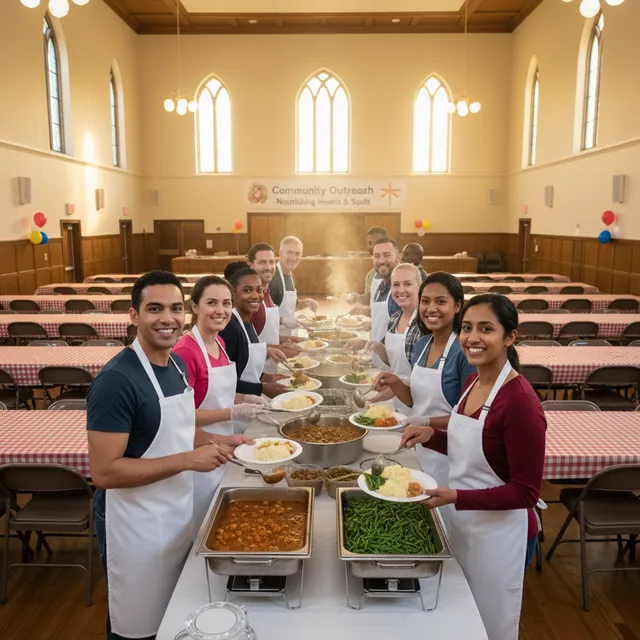
Believers using their gifts to serve others and advance God's kingdom.

Individuals learning to invest time in eternally significant pursuits.

Families practicing environmental stewardship as God's caretakers.

Believers experiencing the joy of sacrificial generosity.

Parents instilling stewardship values in their children.
Comprehensive biblical studies covering every aspect of stewardship. Pair with our wisdom Bible study to understand wise management of resources.
Understanding God's ownership and our role as managers
Biblical principles for managing money and possessions
Investing our abilities and days for God's glory
The joy of openhanded generosity
Real testimonials from believers transformed by studying stewardship in Scripture
"Bible Way's stewardship study transformed our marriage and finances. We were drowning in debt and arguing about money constantly. Learning that God owns everything and we're just managers shifted our entire perspective. We're now debt-free and give more than we ever thought possible."
"As an entrepreneur, I used to think my success was all mine. This stewardship study showed me I'm managing God's resources, not my own. It changed how I run my business, treat employees, and use profits. My company now exists to fund kingdom work, not just my lifestyle."
"I've taught stewardship for years, but this resource goes beyond just money. The comprehensive approach covering time, talents, relationships, and creation stewardship has revolutionized how our congregation views their entire lives as belonging to God."
Everything you need to understand and practice biblical stewardship. Access alongside our online Bible study platform.
Verse-by-verse study of Matthew 25 with application questions about using your God-given abilities.
Practical worksheets and Scripture-based principles for creating a God-honoring family budget.
Track how you spend your days and evaluate alignment with biblical priorities and eternal values.
30-day challenge to grow in generosity with daily Scripture readings and giving opportunities.
Discover your God-given gifts and learn how to steward them for kingdom impact.
Biblical principles for leaving a lasting spiritual and financial legacy for future generations.
The Bible study on stewardship reveals a foundational truth that transforms everything: God owns it all. Psalm 24:1 declares, "The earth is the Lord's, and everything in it, the world, and all who live in it." This isn't just theological theory - it's the lens through which we must view everything we have. Our bank accounts, homes, careers, abilities, time, relationships, and very lives are not our own. They're entrusted to us by the Creator and Owner of all things. First Chronicles 29:14 expresses this beautifully when David says, "Everything comes from you, and we have given you only what comes from your hand." Understanding this shifts us from ownership to management, from consumers to stewards.
What makes Christian stewardship unique is its accountability. Jesus' parables make clear we will give account for how we managed what was entrusted to us. The parable of the talents (Matthew 25) teaches that God expects return on investment - He wants us to develop and deploy what He's given, not bury it in fear or neglect. The master's response to the faithful servants - "Well done, good and faithful servant! You have been faithful with a few things; I will put you in charge of many things" - reveals the progressive nature of stewardship. Faithfulness in small things leads to greater responsibility. This principle applies across all of life. Those interested in applying stewardship to specific areas can explore our leadership Bible study or Proverbs study for wisdom in decision-making.
Whether you're seeking financial freedom, better time management, or greater kingdom impact, join thousands discovering faithful stewardship. Perfect for couples, families, and small groups.
"I used to feel guilty about money - both spending and giving. This study freed me by showing everything belongs to God anyway. Now I budget, give, save, and spend with joy because I'm just managing His resources. The parable of talents especially changed how I view my career and skills."
Jennifer M.
Financial Analyst, Chicago
Common questions about stewardship according to Scripture
Biblical stewardship is the faithful management of everything God has entrusted to us - recognizing that we are managers, not owners, of all we have. The Greek word for steward (oikonomos) literally means "house manager" - one who manages another's property. This concept matters profoundly because it shifts our entire perspective on life. When we realize God owns everything (Psalm 24:1, Haggai 2:8), we're freed from the burden of ownership and the anxiety that comes with it. We no longer have to protect "our" stuff with white-knuckled grip; we simply manage what belongs to Another. This brings both freedom and accountability - freedom from materialism and anxiety, but accountability to the true Owner for how we handle His resources. Stewardship encompasses every area of life: finances, time, talents, relationships, opportunities, the gospel message, and creation itself. It affects how we spend, give, work, rest, and relate to others. Understanding stewardship is foundational to living the Christian life because everything we do involves managing something God has given.
The Bible presents a progression from Old Testament tithing (10% required by law) to New Testament generous, Spirit-led giving. The tithe (meaning "tenth") appears in Genesis before the Law when Abraham gave a tenth to Melchizedek, was codified in the Mosaic Law (Leviticus 27:30, Malachi 3:8-10), and was practiced by faithful Israelites. Jesus affirmed tithing while criticizing the Pharisees for neglecting weightier matters (Matthew 23:23). However, the New Testament shifts emphasis from percentage to principles: give generously (2 Corinthians 9:6), cheerfully (2 Corinthians 9:7), sacrificially (Mark 12:41-44), proportionally to income (1 Corinthians 16:2), and as the Lord prospers (Deuteronomy 16:17). Many believers use the tithe as a starting point or "training wheels" for generosity, while recognizing that grace often calls us beyond 10%. The New Testament standard seems to be: give as much as you can, as joyfully as you can, trusting God to provide for your needs. The macedonian churches gave "beyond their ability" (2 Corinthians 8:3), demonstrating that sacrificial generosity is both possible and blessed. The key is heart posture - God loves a cheerful giver, not a grudging one.
The parable of the talents (Matthew 25:14-30) is Jesus' most comprehensive teaching on stewardship and has profound application for every believer. In the parable, a master entrusts his property to three servants - five talents to one, two to another, and one to a third - "each according to his ability." The first two servants invest and double their talents; the third buries his in fear. Key applications: First, God distributes gifts according to His wisdom, not equally - we're not to compare ourselves with others but be faithful with what we've received. Second, talents were meant to be invested, not buried. God expects return on His investment in us. Burying gifts through fear, laziness, or false humility is condemned. Third, faithfulness matters more than amount. Both the five-talent and two-talent servants received the same commendation: "Well done, good and faithful servant." Fourth, faithfulness leads to greater responsibility: "You have been faithful with a few things; I will put you in charge of many things." Fifth, there's an accounting coming. We will report to the Master how we used what He gave us. Practically, this means identifying your gifts (spiritual, natural, financial), developing them through training and practice, and deploying them for God's purposes rather than just personal benefit.
Scripture presents a cautious view of debt while not absolutely prohibiting it. Proverbs 22:7 warns that "the borrower is slave to the lender" - debt creates bondage and limits freedom. Romans 13:8 says "Let no debt remain outstanding, except the continuing debt to love one another." While this primarily addresses relational debt, it implies we should pay what we owe promptly. The Bible encourages: (1) Living within means - not spending more than we have (Luke 14:28-30 teaches counting the cost before building). (2) Saving for future needs - Proverbs commends the ant who stores provisions (Proverbs 6:6-8) and notes wise people have treasures in their dwelling (Proverbs 21:20). (3) Avoiding co-signing for others (Proverbs 22:26-27). (4) Being content with what we have (1 Timothy 6:6-8, Hebrews 13:5). (5) Planning and budgeting (Luke 14:28). The Bible doesn't forbid all debt, but does warn against its dangers and promotes financial prudence. For those in debt, the biblical counsel is to pay what you owe (Psalm 37:21 - "The wicked borrow and do not repay") and work toward freedom. Good stewardship includes emergency funds, retirement planning, and avoiding consumer debt for things that depreciate.
The Bible presents a balanced view of wealth - neither condemning it as inherently evil nor promising it as proof of God's favor. Wealth itself is morally neutral; it's how we acquire, view, and use it that matters. Scripture acknowledges God gives power to create wealth (Deuteronomy 8:18) and sometimes blesses His people materially (Abraham, Solomon, Job after restoration). However, Jesus warned strongly against love of money (Matthew 6:24), the deceitfulness of riches (Matthew 13:22), and the difficulty of the rich entering God's kingdom (Matthew 19:23-24). Paul says the love of money - not money itself - is the root of all kinds of evil (1 Timothy 6:10). Biblical principles include: (1) Contentment over accumulation (1 Timothy 6:6-8). (2) Generosity over hoarding (Luke 12:21, 1 Timothy 6:17-19). (3) Eternal investments over earthly ones (Matthew 6:19-21). (4) Trusting God over wealth (Psalm 62:10). (5) Using wealth to serve, not just acquire (Luke 16:9). The "prosperity gospel" distorts Scripture by promising wealth to all faithful believers and measuring spirituality by material blessing. Jesus and apostles were often poor. True prosperity is having what you need to fulfill God's purposes for your life, holding it loosely, and using it generously for His kingdom.
Time is one of our most precious and non-renewable resources, and Scripture repeatedly calls us to steward it wisely. Ephesians 5:15-16 commands: "Be very careful, then, how you live - not as unwise but as wise, making the most of every opportunity, because the days are evil." The phrase "making the most" (Greek: exagorazo) means to "redeem" or "buy up" - suggesting we should treat time like a valuable commodity being snapped up at a sale. Psalm 90:12 teaches us to "number our days, that we may gain a heart of wisdom" - awareness of life's brevity produces wisdom in how we spend our days. Key biblical principles for time stewardship include: (1) Prioritizing what matters eternally over the urgent but unimportant (Luke 10:38-42, Mary vs. Martha). (2) Balancing work and rest - God instituted Sabbath for our good (Exodus 20:8-11, Mark 2:27). (3) Avoiding laziness and procrastination (Proverbs 6:6-11, 10:4). (4) Planning with flexibility, acknowledging God's sovereignty (James 4:13-15). (5) Investing in relationships that last forever - people (Colossians 4:5-6). (6) Making time for what we say matters - prayer, Scripture, family, ministry. Ecclesiastes 3 reminds us there's a season for everything - wisdom lies in discerning what time it is and acting appropriately.
Every believer has received gifts from God - both natural talents and supernatural spiritual gifts - that are meant to be stewarded for His purposes. First Peter 4:10 states clearly: "Each of you should use whatever gift you have received to serve others, as faithful stewards of God's grace in its various forms." Spiritual gifts (charismata) are given by the Holy Spirit for building up the body of Christ (1 Corinthians 12:7, Romans 12:4-8, Ephesians 4:11-13). They include teaching, serving, encouraging, giving, leadership, mercy, prophecy, healing, and many others. Natural talents - musical ability, athletic prowess, intellectual capacity, artistic creativity - are also from God and should be developed and deployed for His glory. Stewardship of gifts involves: (1) Discovering what you've been given through exploration, feedback, and confirmed fruitfulness. (2) Developing gifts through practice, training, and mentoring - even spiritual gifts need cultivation. (3) Deploying gifts in service to others, not just self-advancement. The servant who buried his talent was condemned; we must use what we've received. (4) Doing all for God's glory (Colossians 3:23-24) - even secular work becomes worship when offered to God. (5) Not comparing with others - God gives according to His wisdom and holds us accountable only for what we received, not for what others received.
Environmental stewardship is thoroughly biblical, rooted in the creation mandate of Genesis 1:26-28 where God gave humanity dominion over the earth. However, "dominion" (Hebrew: radah) doesn't mean exploitation but responsible rule - like a king caring for his subjects. Genesis 2:15 says God put Adam in the garden "to work it and take care of it." The Hebrew word for "take care" (shamar) means to guard, protect, and preserve. We are caretakers of God's creation, not its owners. This stewardship responsibility never ended - it remains part of our calling. Scripture reveals that: (1) Creation belongs to God, not us (Psalm 24:1). (2) Creation reveals God's glory (Psalm 19:1) and should be valued. (3) God cares about animals and nature (Proverbs 12:10, Jonah 4:11, Matthew 10:29). (4) We will give account for how we treated what was entrusted to us. (5) Creation groans under sin's curse and awaits redemption (Romans 8:19-22). Practical environmental stewardship includes avoiding waste, caring for land and animals, reducing pollution where possible, and appreciating creation's beauty as God's handiwork. This isn't worshiping creation (Romans 1:25 condemns that) but honoring the Creator by caring for what He made and entrusted to our keeping.
Teaching children stewardship is one of the most important things parents can do, and Scripture makes clear this responsibility belongs to families (Deuteronomy 6:6-7, Proverbs 22:6). Practical ways to instill stewardship values include: (1) Start early with the "three jar" approach - give, save, spend - teaching children from their first allowance that not all money is for spending. (2) Model generosity visibly - let children see you give, and explain why. (3) Talk about money openly - many Christian families keep finances hidden, but children need to learn biblical principles before they leave home. (4) Use age-appropriate verses - Psalm 24:1 (God owns everything), Proverbs 6:6-8 (the ant and saving), Luke 16:10 (faithful in little). (5) Create giving opportunities - let children choose where some family giving goes, involve them in serving others. (6) Teach delayed gratification - saving for something teaches patience and planning. (7) Connect chores to stewardship - maintaining a home, not just earning allowance. (8) Discuss purchases together - "Is this a need or a want? Is this a wise use of God's resources?" (9) Time stewardship - limiting screen time, valuing family time, serving others. (10) Talent stewardship - help children discover and develop their gifts for God's glory, not just personal achievement. Start where they are and build progressively.
First Corinthians 4:2 identifies the primary requirement of stewards: "Now it is required that those who have been given a trust must prove faithful." Faithfulness, not success, is what God measures. This is liberating because faithfulness is within our control in a way results are not. Faithful stewardship includes: (1) Consistency - managing well day after day, year after year, whether anyone notices or not. The servants who doubled their talents likely didn't do it overnight but through steady, faithful work. (2) Integrity - handling resources the same way whether observed or not. Luke 16:10: "Whoever can be trusted with very little can also be trusted with much." (3) Obedience to what you know - God doesn't require us to know everything, but to act on what we do know. (4) Good intentions aren't enough - the one-talent servant may have had good intentions in burying his talent (preservation), but God expected investment. Faithfulness requires action. (5) Willingness to take risks - faithful stewardship isn't just avoiding loss; it's pursuing gain for the Master. (6) Long-term thinking - faithful stewards make decisions based on eternal outcomes, not just immediate comfort. (7) Contentment with your assignment - the two-talent servant didn't complain about not getting five; he was faithful with what he received. The goal is hearing "Well done, good and faithful servant."
Stewardship and generosity are deeply connected - understanding stewardship is actually the key to unlocking generous living. When we grasp that everything belongs to God and we're just managers, giving becomes natural rather than sacrificial in a painful sense. We're simply distributing the Owner's resources where He directs. Second Corinthians 9:6-8 reveals principles connecting stewardship and generosity: (1) Sowing generously leads to reaping generously - God often entrusts more to those who give freely. (2) Each should give what they've decided in their heart - stewardship requires thoughtful decisions, not impulsive or pressured giving. (3) God loves a cheerful giver - stewardship perspective produces cheerfulness because we're not losing "our" money but investing the Owner's funds. (4) God is able to make all grace abound - generous stewards discover God's ongoing provision for their needs and continued giving. The Macedonian churches exemplify this (2 Corinthians 8:1-5): despite severe poverty, they gave generously and joyfully because they first gave themselves to the Lord. They understood ownership. Generous stewards hold possessions loosely, seeing them as tools for kingdom advancement rather than treasures to protect. They find that giving produces joy, opens relationships, funds ministry, and demonstrates faith in God's provision. Generosity is stewardship in action.
Scripture consistently teaches that we will give account for our stewardship. In the parable of the talents, the master returns and "settled accounts" with his servants (Matthew 25:19). Romans 14:12 states: "So then, each of us will give an account of ourselves to God." Second Corinthians 5:10 says: "For we must all appear before the judgment seat of Christ, so that each of us may receive what is due us for the things done while in the body, whether good or bad." This judgment for believers isn't about salvation - that's secured by Christ's work. It's about rewards and responsibility in God's eternal kingdom. First Corinthians 3:10-15 describes how our works will be tested by fire - some will receive reward, others will see their works burned up (though they themselves will be saved). What will be evaluated? How we used our money and possessions. How we invested our time. How we developed and deployed our gifts. How we stewarded opportunities for witness. How we cared for creation. How we handled relationships. How faithful we were in the "little things" no one noticed. The two-talent servant received equal commendation with the five-talent servant because both were equally faithful with different amounts. God won't compare us to others - only to what we received. The goal is to hear: "Well done, good and faithful servant... Enter into the joy of your master" (Matthew 25:21).
Additional external resources to deepen your study of biblical stewardship
Comprehensive collection of verses on money and stewardship across translations
biblegateway.com →Biblical answers to common questions about finances and stewardship
gotquestions.org →Practical biblical financial principles and debt freedom plan
ramseysolutions.com →Biblical financial stewardship training and resources
crown.org →